Why must the fresh leaves, cilantro, typically be reserved for garnishing or added at the very end of cooking processes?
Answer
Cilantro's volatile oils dissipate rapidly under heat
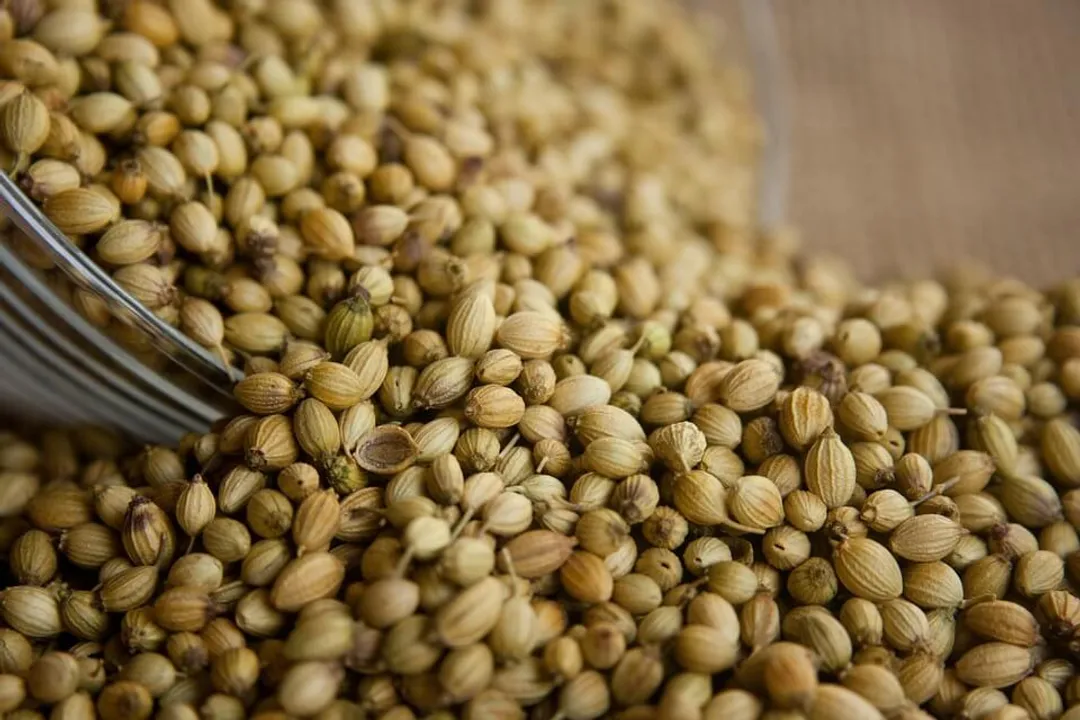
The difference between preparing coriander seeds and cilantro leaves lies in the stability of their active chemical components when exposed to thermal energy. While the seeds possess robust compounds that benefit from slow cooking or roasting to release their warm, nutty flavor, the characteristic bright, citrusy flavor of cilantro comes from volatile essential oils. These oils are highly susceptible to heat; they evaporate quickly when exposed to high temperatures or prolonged cooking times. Therefore, to preserve the distinctive zest and aromatic profile that cilantro contributes, it is standard practice to add it only during the final moments of preparation or use it raw as a garnish.
Related Questions
Which essential micronutrient, rich in coriander seeds, is vital for proper blood clotting and bone health?What phenolic compounds found in coriander are responsible for neutralizing unstable molecules known as free radicals?How does consuming coriander potentially influence the balance between LDL and HDL cholesterol levels for cardiac support?What is the hypothesized mechanism by which compounds in coriander help promote healthy blood glucose concentrations?What characteristic property of coriander helps relax smooth muscles lining the digestive tract to ease discomfort?Which specific harmful bacteria strain is mentioned as being inhibited by the essential oils in coriander seed extracts?Why must the fresh leaves, cilantro, typically be reserved for garnishing or added at the very end of cooking processes?What standard preparatory step is usually required for coriander seeds to release their full, warm, nutty profile?Which mineral supplied by coriander seeds aids in fluid balance by counteracting the effects of sodium on blood pressure?How do the potent antioxidants in coriander specifically help shield brain cells from age-related decline?