Health Benefits of Coriander
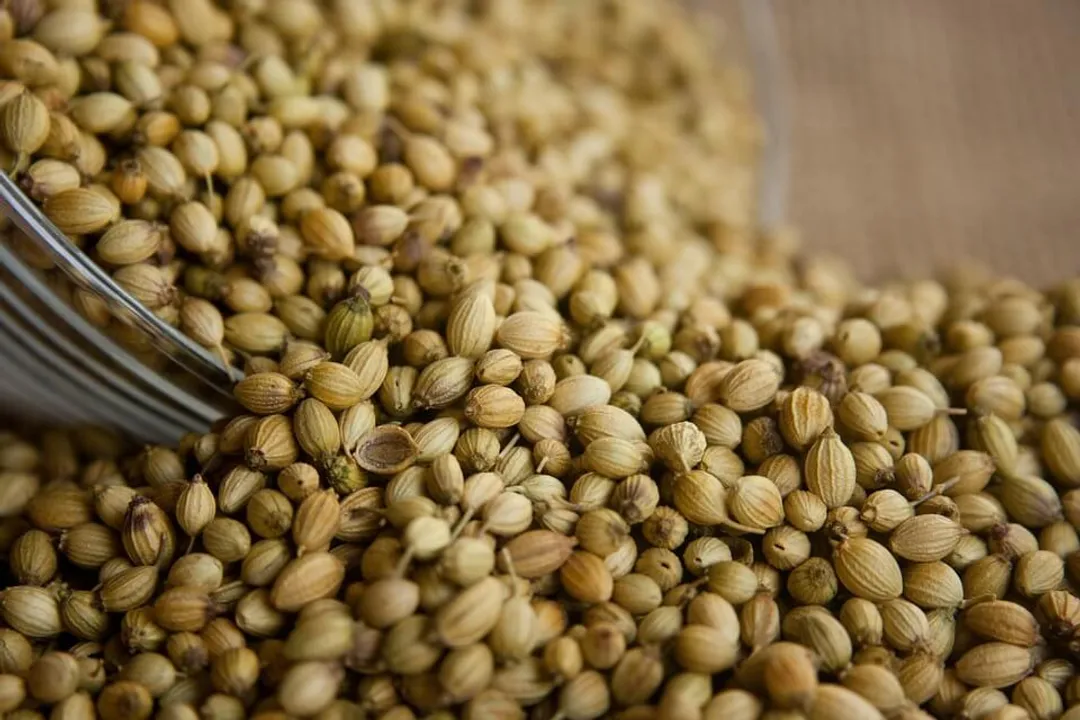
Coriander, known either as the seed or the fresh leaves (cilantro), is a staple in kitchens across the globe, lending its distinctive aroma and taste to everything from Indian curries to Mexican salsas. [5] However, this humble herb and spice offers far more than just culinary flair; its usage stretches back centuries, rooted in traditional medicine for numerous potential health advantages. [9][6] Modern research is beginning to validate these historical uses, pointing toward a rich profile of bioactive compounds that support several bodily systems. [1][5]
# Vitamins Minerals
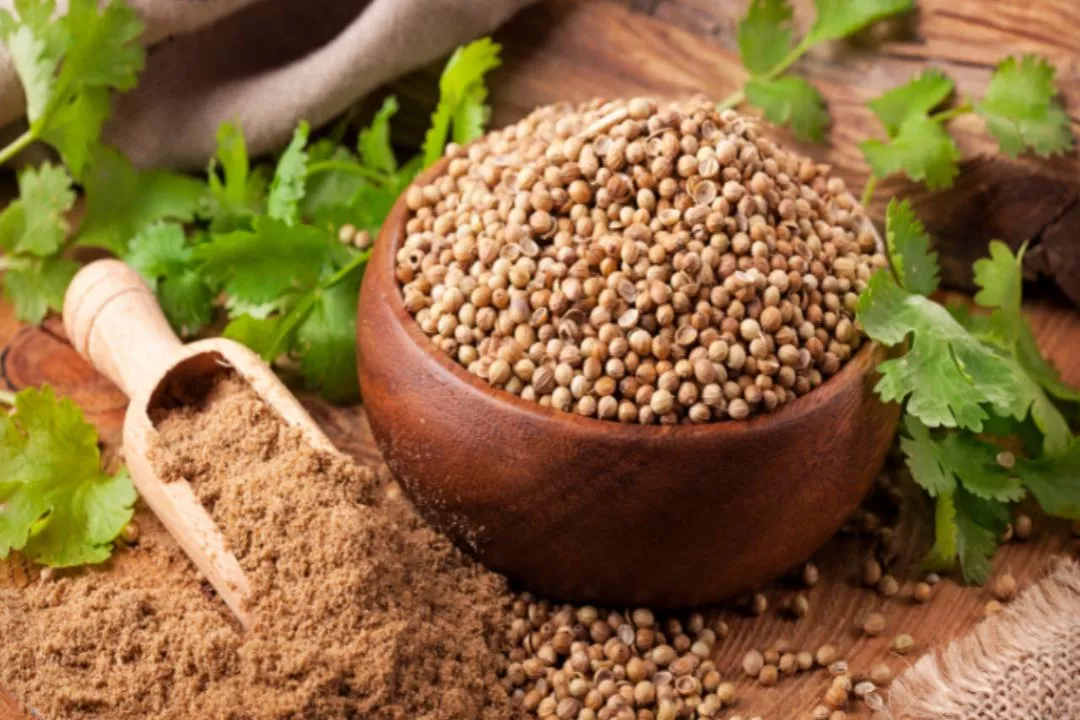
When looking at the nutritional breakdown, coriander seeds present a concentrated source of essential micronutrients. [9] They are particularly rich in Vitamin K, which is vital for proper blood clotting and bone health. [9][5] Furthermore, the seeds contribute significant amounts of Vitamin A and Vitamin C, powerful antioxidants that support immune function and vision. [9] Beyond vitamins, they supply important minerals like potassium, which aids in fluid balance, magnesium, necessary for muscle and nerve function, and iron, crucial for oxygen transport in the blood. [5][9] While the seeds are nutrient-dense, the fresh leaves, cilantro, also contribute vitamins, though their primary benefit often lies in their unique essential oil content. [4]
# Fights Oxidation
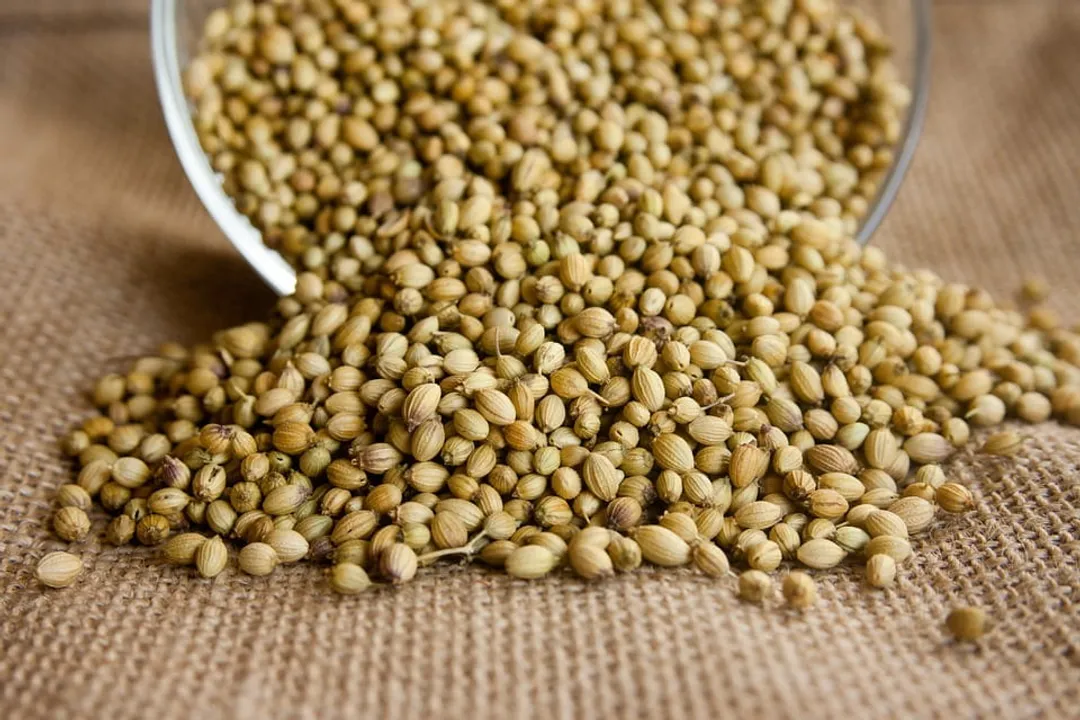
One of the most frequently cited health benefits of coriander relates to its powerful antioxidant capacity. [1][6] The spice contains several phenolic compounds, including kaempferol and tocopherols. [1][6] These substances function as scavengers in the body, neutralizing unstable molecules known as free radicals. [1] By mitigating this oxidative stress, coriander helps protect cells, tissues, and DNA from damage that can contribute to chronic diseases and aging. [1][6] This protective action is central to many of its systemic benefits, acting as a general defense mechanism within the body. [5]

# Cardiac Support

The impact of coriander on heart health appears multifaceted, involving its influence on lipid profiles and blood pressure regulation. [1][2] Some evidence suggests that consuming coriander may assist in managing cholesterol levels, specifically by potentially lowering LDL, often termed "bad" cholesterol, while simultaneously encouraging increases in HDL, the "good" cholesterol. [1][2] Additionally, when prepared as a water infusion, coriander has shown potential in managing certain cardiovascular markers. [7] Given the mineral composition of the seeds, which includes potassium, an electrolyte known for counteracting the effects of sodium on blood pressure, this is not entirely surprising. [5][7] Incorporating coriander into your daily spice routine, especially when preparing meals where you are intentionally reducing added salt, provides a flavorful way to support heart function. [5]
# Glucose Management
Maintaining balanced blood sugar levels is critical for long-term metabolic health, and coriander may offer support in this area. [1][6] Research indicates that compounds within coriander may help promote healthy blood glucose concentrations. [1] This mechanism is thought to involve the stimulation of specific enzymes responsible for processing carbohydrates, effectively improving how the body handles sugars from food. [6][9] While much of this evidence comes from laboratory or animal studies, the consistent findings point toward an insulin-sensitizing effect that merits attention for those monitoring their sugar intake. [6]
# Gut Health
For centuries, coriander has been employed as a digestive aid, and modern understanding supports its traditional applications. [2][9] The spice is known to stimulate appetite and encourage the secretion of digestive juices and enzymes, which are necessary for breaking down food efficiently. [2][9] Beyond simple stimulation, coriander exhibits antispasmodic properties. [9] This means it can help relax the smooth muscles lining the digestive tract, which can be beneficial in easing discomfort associated with cramping or spasms. [9] Drinking coriander water, as is common in various wellness practices, is often cited specifically for settling an upset stomach. [7]
# Antimicrobial Action
The essential oils locked within the coriander seed provide it with notable antimicrobial capabilities. [6] Extracts from coriander have demonstrated effectiveness in inhibiting the growth of various harmful bacteria, including strains like Salmonella. [1] This natural defense mechanism is one reason why coriander has been used historically as a preservative in food preparation in some cultures. [6] For the consumer, this translates to an ingredient that not only seasons food but might also confer a degree of protection against foodborne pathogens when used liberally in cooking. [1]

# Dermatological Help
The benefits of this versatile plant extend to the skin, leveraging its anti-inflammatory and antimicrobial characteristics. [2][5] Internally, by reducing systemic inflammation via its antioxidant action, coriander can indirectly help soothe skin that is prone to irritation or redness. [5] Externally, or through dietary intake, its properties have been associated with improving conditions like dryness. [2] When considering integrating it for skin health, remember that the effects are often cumulative, stemming from regular dietary inclusion rather than acute topical application. [5]
# Cognitive Function
Protecting the delicate structure of the brain as we age is an area of ongoing scientific interest, and coriander's chemical makeup shows promise here as well. [1][9] The presence of potent antioxidants helps shield brain cells from the damaging effects of oxidative stress, a known contributor to cognitive decline. [1] Certain bioactive compounds found in the spice are being studied for their potential to support neural health and potentially slow down age-related deterioration in memory and function. [9]
# Culinary Integration
Understanding how to use both parts of the plant correctly maximizes the health and flavor payoff. Coriander seeds typically require a little coaxing to release their full, warm, nutty profile; dry roasting them briefly until aromatic is the standard preparatory step before grinding or adding them to spice blends or simmering dishes. [4] In contrast, the fresh leaves, cilantro, possess a brighter, more citrusy, and sometimes polarizing flavor profile. [4] While the seeds can withstand long cooking times, cilantro's volatile oils dissipate rapidly under heat, meaning it is best reserved for garnishing or stirring in right at the end of the cooking process to retain its characteristic zest. [4] This difference in required preparation highlights how the seed and the leaf function differently in both flavor chemistry and potentially in the stability of their beneficial compounds. [4]
# Dietary Inclusion Overview
Coriander, whether consumed as the seed or the leaf, integrates easily into diverse diets, supporting wellness goals from multiple angles. [2][5] Its broad spectrum of effects—touching on digestion, blood sugar, heart health, and cellular protection—makes it a compelling addition to the pantry. [1][6] For individuals looking to increase their intake of natural compounds with low associated risk, relying on coriander as a seasoning rather than a supplement is a sensible starting point. [2][9] Its effectiveness lies in consistent, dietary incorporation, complementing a balanced eating pattern. [5]
Related Questions
#Citations
8 Surprising Health Benefits of Coriander - Healthline
Health Benefits of Coriander - WebMD
Coriander (Coriandrum sativum) Polyphenols and Their ... - NIH
7 Benefits of Cilantro, Plus Nutrition and Risks - Health
You will be surprised to know these Health Benefits of Coriander
Potential Health Benefits of Coriander - McCormick Science Institute
What are the benefits of drinking coriander juice? - Vinmec
The Health Benefits of Cumin and Coriander - Viva!
Coriander: Overview of Potential Health Benefits - Nutrition Today
The Health Benefits of Coriander during Menopause