Which essential electrolyte, crucial for heart and nervous system function, can leach into cooking water during boiling?
Answer
Potassium
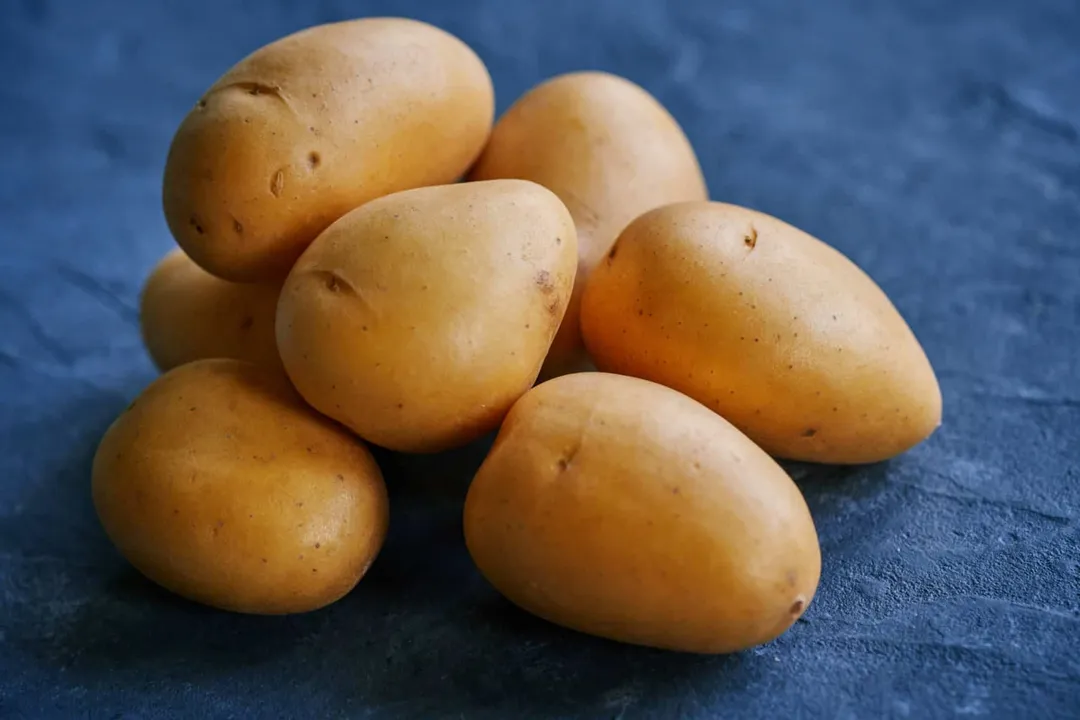
Potassium is identified as a vital electrolyte that plays an indispensable role in maintaining the proper functionality of the heart, the muscles, and the nervous system. When potatoes are cooked using moist heat methods, particularly boiling, a portion of this valuable mineral can dissolve and transfer out of the potato flesh and into the surrounding cooking liquid. To mitigate this loss and maximize potassium intake, it is recommended either to consume the cooking liquid, perhaps by repurposing it into a broth, or to opt for dry-heat methods such as baking, which minimize the leaching of water-soluble minerals.
Related Questions
Where does Resistant Starch in potatoes act as a prebiotic, serving beneficial gut bacteria?Which protein found in potatoes stimulates the release of cholecystokinin (CCK) to promote satiety?What is the effect on *amylose* content when boiled potatoes are cooled overnight in the refrigerator?Which component, concentrated in the peel, is significantly reduced when potatoes are peeled prior to cooking?What specific acceleration occurs if potatoes are stored in the refrigerator, contrary to optimal storage guidelines?What powerful antioxidants, associated with protection against heart disease, are found in Purple potatoes?Which essential electrolyte, crucial for heart and nervous system function, can leach into cooking water during boiling?Which staple food is consistently favored over non-fried potatoes for lower long-term risks associated with weight gain?What toxin concentrates in potato sprouts and eyes, and cooking will not eliminate if extensively present?What is the designation for potatoes like Red Bliss, characterized by low starch and high moisture content?