Health Benefits of New Potato
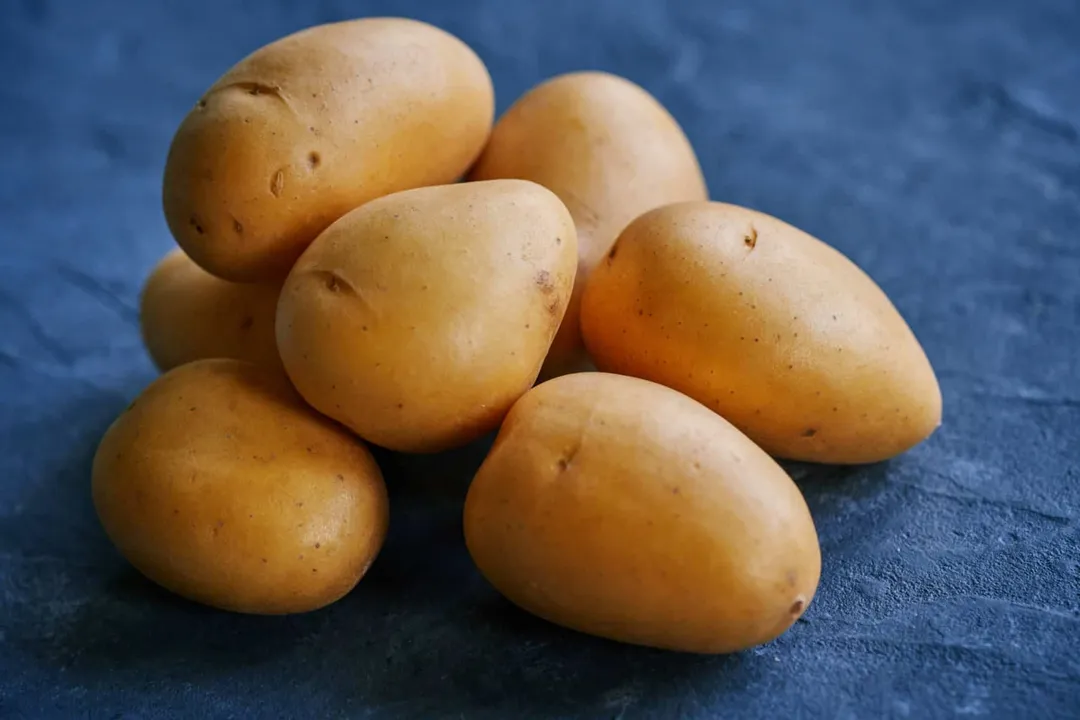
The humble potato, often relegated to the category of guilty pleasure in modern eating plans, is in fact a global dietary cornerstone with a surprisingly dense array of health merits, particularly when we look closely at its less mature forms, like the new potato. [3][5] Far from being merely a source of empty calories, this versatile tuber, first cultivated by the ancient Incas millennia ago, offers significant micronutrients and functional fibers that support overall wellness. [1][4] Its presence has been foundational throughout history, reaching North America in the early 1600s before gaining widespread fame after Thomas Jefferson served them at the White House. [1]
# Core Nutrients
When assessed in its whole, unadulterated form—meaning baked or boiled with the skin intact—the potato is quite the nutritional package. [4][6] A single medium potato, weighing around 5.5 ounces, contains just about 145 calories and is inherently free of both fat and cholesterol, while also being naturally sodium-free. [1][8] This foundational profile shifts dramatically once toppings or frying methods are introduced, which is where the confusion regarding its health standing often originates. [1][5]
Potatoes are notable for being high in several essential vitamins and minerals. They are a strong source of Potassium, an electrolyte crucial for the proper function of the heart, muscles, and nervous system. [3][4][6] A medium potato can provide a significant portion of the recommended daily intake for this mineral. [4] Furthermore, they are rich in Vitamin C, an important antioxidant that historically played a vital role in preventing scurvy. [3][4] A medium baked potato with the skin can supply nearly 30% of the Reference Daily Intake (RDI) for Vitamin C. [4] Another key component is Vitamin B6, which supports the creation of red blood cells and the immune and nervous systems. [4][5]
It is important to note that much of the mineral and vitamin density resides in the peel; peeling potatoes can significantly reduce their overall nutritional contribution. [4][6] Beyond these major players, potatoes supply trace minerals such as Manganese, Magnesium, Phosphorus, Niacin, and Folate. [4][8]
# Gut Power
One of the most fascinating aspects of potato nutrition relates to its specific carbohydrate structure, particularly the presence of Resistant Starch. [4][8] Unlike other starches that are rapidly broken down into glucose—contributing to a high glycemic load—resistant starch resists complete digestion in the small intestine. [4][7] Instead, this type of starch travels to the large intestine where it acts as a prebiotic, serving as the preferred food source for beneficial gut bacteria. [4][7][8]
When these bacteria metabolize resistant starch, they produce short-chain fatty acids (SCFAs), most notably butyrate. [4] Research suggests that butyrate is highly beneficial for digestive health, as it has been shown to reduce inflammation within the colon, bolster the colon’s natural defenses, and potentially lower the risk of colorectal cancer. [4][8] While much of this evidence comes from laboratory settings, the mechanism suggests a real benefit for intestinal flora. [4]
A practical way for consumers to maximize this benefit involves a simple temperature trick. Scientists have found that cooling boiled potatoes overnight in the refrigerator increases their content of amylose, the form of starch that functions as resistant starch. [4][7] Reheating the potatoes afterwards does not negate this effect, allowing for a warm, comforting meal that delivers a better blood sugar response than eating the potato immediately after boiling. [4][8]

# Satiety Weight Control

Potatoes have an undeserved reputation as a food to avoid when managing weight, yet studies place them surprisingly high on the scale of foods that promote a feeling of fullness. [5] In one comparison study, potatoes earned the highest fullness rating among 38 common foods tested, registering as seven times more satisfying than croissants, which ranked lowest. [4] This high satiety factor can be advantageous for weight regulation, as feeling fuller for longer naturally helps curb overall hunger pangs and cravings. [4] This effect is partially attributed to a specific protein found in potatoes, potato proteinase inhibitor 2 (PI2), which appears to stimulate the release of cholecystokinin (CCK), a hormone responsible for promoting satiety. [4]
However, the context of consumption is critical. When potatoes are prepared healthily—boiled, baked, or steamed—they are far less likely to contribute to unwanted weight gain compared to their deep-fried counterparts. [7] For example, one long-term study noted that a daily serving of French fries was linked to an average weight gain of 3.75 pounds over four years, whereas baked, boiled, or mashed potatoes were associated with a much smaller gain of approximately 0.66 pounds during the same period. [7] The negative associations with weight gain are almost always tied to the high fat and calorie load added through frying oil or rich toppings like butter and sour cream. [1][8]
When assessing carbohydrates for long-term weight control, it is useful to consider potatoes in relation to other staples. While potatoes serve as an excellent source of energy, research suggests that consistently favoring whole grains—like brown rice or whole-wheat products—over potatoes, even when prepared non-fried, has been associated with lower long-term risks for weight gain and related chronic conditions. [7]
# Preparation Pointers
The key to unlocking the potato’s nutritional potential lies almost entirely in preparation technique and recognizing its inherent characteristics. [1][7]
# Skin Retention
The skin must remain on the potato whenever possible. [6][8] The peel is where a significant amount of the beneficial fiber resides, along with concentrated vitamins and antioxidants. [3][4] For roasted potatoes, a simple treatment involves tossing wedges with a light coating of olive oil and herbs before baking until tender. [8]
# Cooking Methods
The best methods capitalize on the potato's natural low-fat state: boiling, steaming, or baking are preferred over deep frying. [1][4][6] When boiling, be aware that certain minerals, such as potassium, can leach out into the cooking water, so consuming the cooking liquid (perhaps as a broth base) or choosing dry-heat methods like baking is advisable to retain the most minerals. [7]
For those mindful of blood sugar spikes, the type of potato interacts with the cooking method. New potatoes, or waxy varieties, are harvested earlier and naturally possess a higher amylose content than the mature, fluffy starchy types like Russets. [7][8] This inherent structural difference means that the waxy texture of a new potato, when cooked, results in a slower conversion to glucose than a standard baked Russet, offering a subtle nutritional advantage right off the vine. [7]
A balanced meal approach involves thoughtful pairing. If a medium potato provides roughly 37 grams of carbohydrate, intentionally pairing it with at least 20 to 30 grams of protein (such as a serving of beans, legumes, or lean meat) ensures that the digestive process slows down significantly, leading to a much steadier, sustained release of energy rather than a rapid spike in blood sugar. [1]
# Toxin Awareness
Potatoes naturally contain small amounts of toxins called glycoalkaloids, specifically solanine and chaconine. [8] These compounds concentrate in the skin, sprouts, and "eyes" of potatoes exposed to light, which also causes the production of harmless chlorophyll (the green color). [8] While a small amount of greening can be managed by deeply peeling away the affected spots, if a potato is extensively green, it should be discarded, as cooking will not eliminate the toxins. [8] Children should never be given green potatoes, as the solanine can cause gastrointestinal distress or, in rare cases, more severe symptoms. [8] Always store potatoes in a cool, dark, dry area with airflow, avoiding the refrigerator, as cold temperatures accelerate starch-to-sugar conversion. [7][8]

# Variety Matters
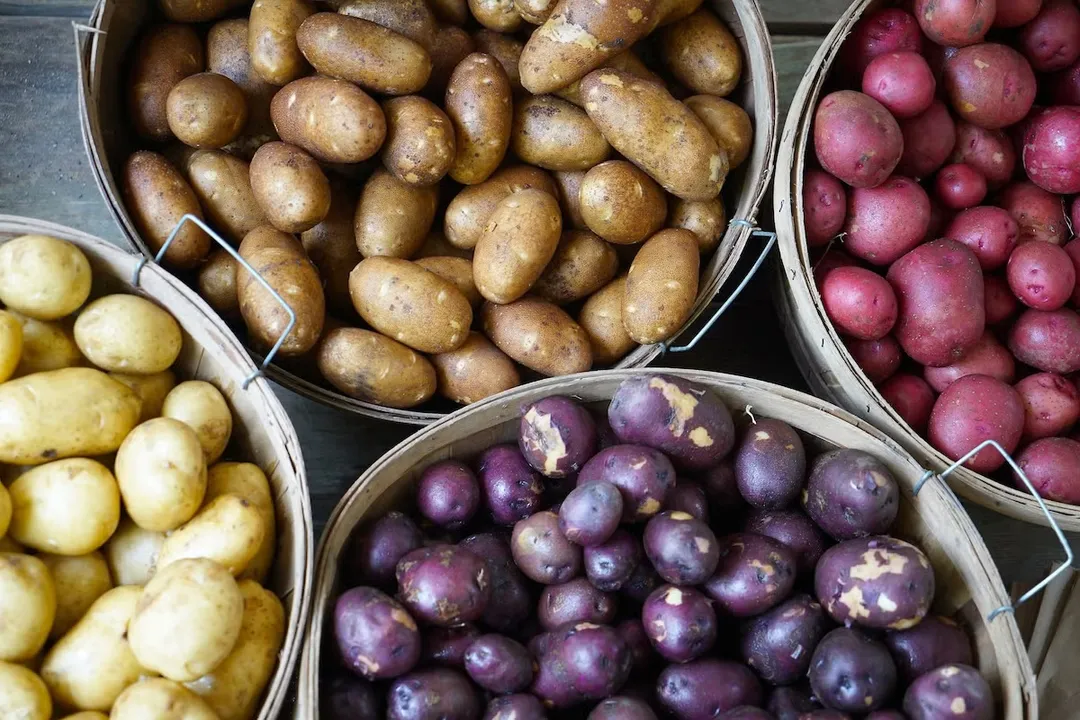
The nutritional landscape of potatoes changes depending on the variety chosen. [3][4] While all fresh potatoes offer core vitamins, the pigmented varieties offer added benefits. Purple potatoes, for instance, contain anthocyanins, the same powerful antioxidants found in blueberries and red cabbage, which may offer protection against cancer and heart disease and support brain function. [3][7] Generally, the darker the skin and flesh, the higher the antioxidant content when compared to white varieties. [3]
The categorization of potatoes also helps inform preparation:
- Starchy (e.g., Russet): High starch, low moisture, fluffy when cooked. Best for mashing or baking. [7][8]
- Waxy (e.g., Red Bliss, New Potatoes): Low starch, high moisture, maintain shape when cooked. Ideal for salads, soups, and roasting. [7][8]
- All-Purpose (e.g., Yukon Gold): A moderate middle ground. [7][8]
New potatoes, such as the renowned Jersey Royal, fit into the waxy category due to early harvesting. [5] Their delicate skins and firm texture make them excellent candidates for simple preparations that highlight their natural flavor, such as boiling and tossing with herbs. [5] While they are a good source of fiber, their protein content, though small, is noted to be of a quality comparable to that of an egg. This nutritional profile, spanning from essential electrolytes to gut-feeding starches, affirms that potatoes, when treated with intention, deserve their place as a valuable component of a balanced diet. [1][4]
Related Questions
#Citations
7 Health and Nutrition Benefits of Potatoes - Healthline
Potato health benefits and why you should eat more spuds
Superfoods: new potatoes | Health & wellbeing - The Guardian
HEALTH BENEFITS OF POTATOES - Green Giant™ Fresh
Are Potatoes Healthy? - The Nutrition Source
Health Benefits of Potatoes - WebMD
Health Benefits - Jersey Royals - Genuine New Potatoes
It's OK to say 'yes' to potatoes - Mayo Clinic Health System