Health Benefits of New Zealand Spinach
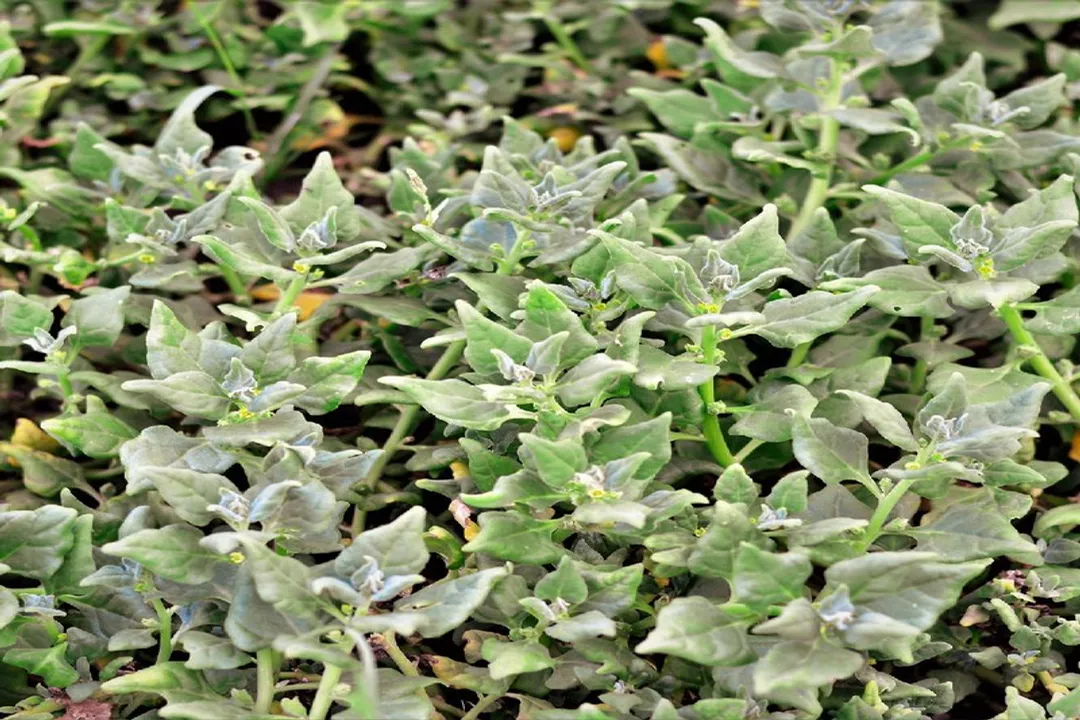
The leafy green often called New Zealand Spinach (Tetragonia tetragonoides) presents a fascinating alternative to its common garden counterpart, offering a distinct texture and growth habit suited for warmer weather. [2][7] Unlike true spinach, which is known to quickly bolt or run to seed when temperatures rise, this plant is famous for its resilience, sprawling across the ground with thick, somewhat succulent, triangular leaves. [2][7] For gardeners dealing with summer heat, this ability to maintain leaf production when traditional spinach fails makes it a valuable asset in the kitchen garden. [7] It is also known by its traditional Māori name, Renga Mutu Kokihi. [7] While it shares the word "spinach" in its common name, botanically it is quite different, yet it shares many of the positive attributes that make leafy greens dietary staples worldwide. [2]
# Nutritional Makeup
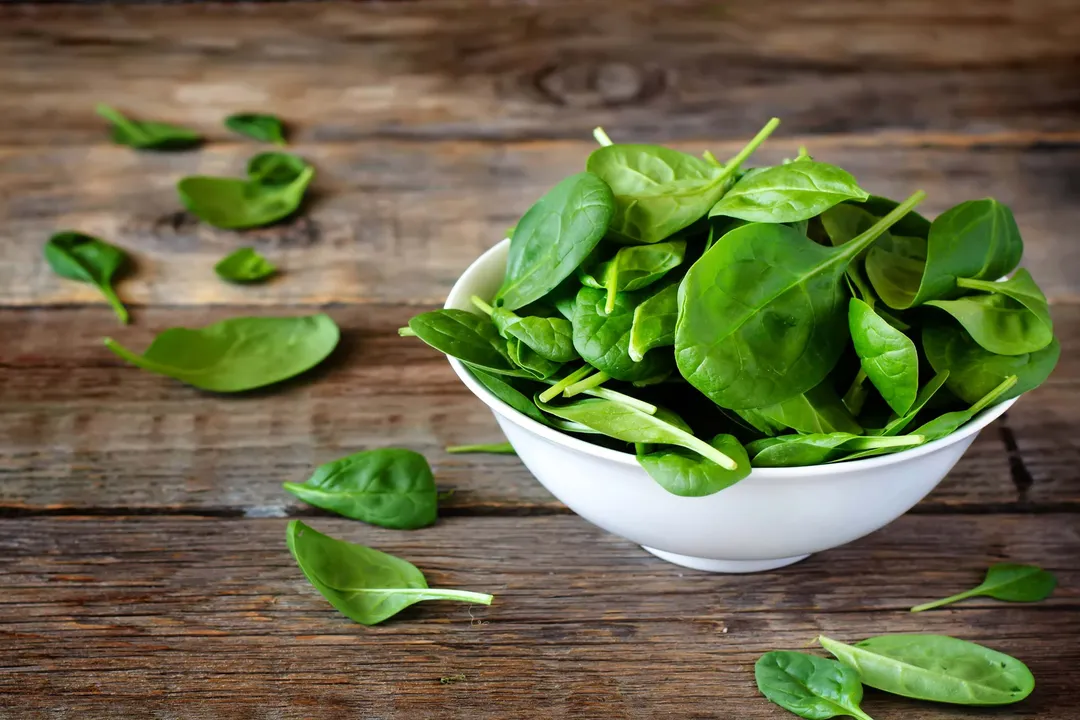
Delving into the nutritional data reveals why this succulent green warrants attention. It is remarkably low in calories, contributing very few energy units to a meal, which aligns with its status as a water-dense vegetable. [5] However, what it lacks in caloric density, it makes up for in micronutrient concentration. A primary draw is its significant content of essential vitamins and minerals. [1][5]
Specifically, New Zealand Spinach is noted as a good source of Vitamin A, which is vital for vision and immune function, and Vitamin C, a well-known antioxidant that supports the body’s defenses. [1] Furthermore, it supplies Vitamin E, another fat-soluble antioxidant that helps protect cells from damage. [1] Mineral-wise, it contributes meaningful amounts of calcium, important for skeletal structure, and iron, necessary for oxygen transport in the blood. [1][5]
When comparing nutrient profiles, it is interesting to note that while many greens are praised for fiber, the high water content of New Zealand Spinach—which gives it that slightly succulent mouthfeel—means that for the same weight, the concentration of some dry-weight minerals might differ from its common spinach cousin. However, its ability to continue producing fresh leaves reliably through summer heat, as noted by its drought and heat tolerance, [2] means it provides a steady supply of these micronutrients when other greens might be unavailable or stressed. This reliability in fluctuating growing conditions is a subtle but important factor for consistent nutrient intake over a long growing season. [2][7]
# Digestive Support
The role of dietary fiber in maintaining digestive health is widely recognized, and New Zealand Spinach contributes positively in this area. [1] Fiber is crucial for promoting regular bowel movements and supporting a healthy gut environment. [1] By adding this leafy vegetable to your regular diet, you are incorporating a natural source of roughage that aids in maintaining digestive tract functionality. [1]
It is important to address another component often found in spinach varieties: oxalic acid. New Zealand Spinach contains oxalates. [5] For most people, this is not an issue, but for individuals prone to kidney stones, managing intake is necessary. [5] Interestingly, the physical structure of New Zealand Spinach—thicker, more substantial leaves compared to the delicate texture of true spinach—often lends itself to different cooking preparations. Where delicate spinach might only be wilted briefly, the sturdier leaves of Tetragonia tetragonoides hold up better to longer cooking times, such as simmering or slow braising. This difference in preparation can be an actionable point for those mindful of oxalates, as longer cooking methods are generally more effective at leaching oxalates out of the greens into the cooking water, a simple technique that leverages the plant’s physical properties to modulate its composition before consumption. [5]
# Antioxidant Capacity
The protective qualities of plants often come from their array of phytochemicals and vitamins that act as antioxidants. New Zealand Spinach appears to offer notable benefits in this regard. [1][6] The presence of Vitamins A, C, and E already points toward strong cellular protection, as these vitamins neutralize free radicals that contribute to aging and disease. [1]
Beyond the major vitamins, studies often look at the overall biochemical activity of edible plants. [6] The presence of various compounds suggests that this green possesses antioxidant and potential anti-inflammatory characteristics. [1][6] While specific, deep-dive comparative analyses might require looking into specialized research papers, the general consensus points toward its inclusion as a beneficial addition to diets aimed at managing oxidative stress. [1] The plant's hardiness itself—surviving intense sun and variable conditions [2]—often correlates with higher concentrations of protective compounds designed to shield the plant from environmental stressors, which may translate to benefits for the consumer. [6]
# Culinary Preparation
The way New Zealand Spinach is used in the kitchen is perhaps where it diverges most distinctly from common spinach. Its crisp, slightly salty flavor and firm texture remain even after cooking, unlike the drastic wilting true spinach undergoes. [2] This texture holds up exceptionally well in dishes that require sustained heat.
It can be used as a substitute for spinach in many recipes, but its robustness means it often shines in dishes where a more substantial green is desired. [2]
Here are a few ways cooks commonly integrate it:
- Raw: Young, tender leaves can be added to salads for a fresh crunch, though some suggest cooking them first to soften the texture slightly. [2]
- Steamed or Boiled: Due to its relatively high water content, steaming or boiling works well, often requiring slightly longer cooking times than standard spinach to achieve the desired tenderness. [2][5]
- Sautéed: Sautéing with garlic, oil, and perhaps a splash of acid like lemon juice can bring out its unique flavor profile. [2]
When preparing it, remember that the leaves are naturally somewhat thick and succulent. [2] A simple check for texture before serving is key; if the leaves are still chewy rather than tender after cooking, a brief simmer in water or broth can finish the job effectively. [2] The preference between eating it raw or cooked often comes down to personal taste regarding that slight succulence. [2]

# Growth and Cultivation Context
Understanding where New Zealand Spinach comes from provides context for its hardiness. Though its name suggests an origin, it is actually native to the coastal regions of New Zealand, Australia, and Southeast Asia. [7] Its successful cultivation globally is due to its preference for warm climates and ability to grow well in sandy or poor soils. [2]
For the home grower, this plant represents a low-maintenance crop when summer hits. [2] It requires adequate moisture but is generally known for its drought tolerance compared to other greens. [2] Its sprawling, almost vine-like growth habit means it covers ground effectively, which can also help suppress weeds beneath it. [2] If you are gardening in areas that experience intense, prolonged heat waves, the fact that New Zealand Spinach is less likely to prematurely flower and become bitter—a process known as bolting—is a significant practical advantage over traditional Spinacia oleracea. [7] This consistent productivity ensures a steady supply of fresh greens when other garden sections might be suffering from the heat stress. [7]
In terms of harvesting, it is often treated as a cut-and-come-again green, where outer leaves are picked, allowing the center of the plant to continue producing new growth. [2] This method maximizes yield from a single planting throughout the warm season.
Related Questions
#Citations
7 Health Benefits Of New Zealand Spinach - DoveMed
New Zealand Spinach Information and Facts - Specialty Produce
Tetragonia tetragonoides (Pall.) Kuntze (New Zealand Spinach ...
The Nutritive Value of New Zealand Spinach
New Zealand spinach, raw - Andra Farm
Discover the Benefits of New zealand spinach: A Nutritious Addition ...
New Zealand spinach, raw nutrition facts and analysis.
Spinach - Rengamutu/Kōkihi | Vegetables.co.nz
New Zealand spinach health benefits and uses - Facebook
Have you tried NZ spinach before? The leaves are ... - Instagram