Health Benefits of Spinach
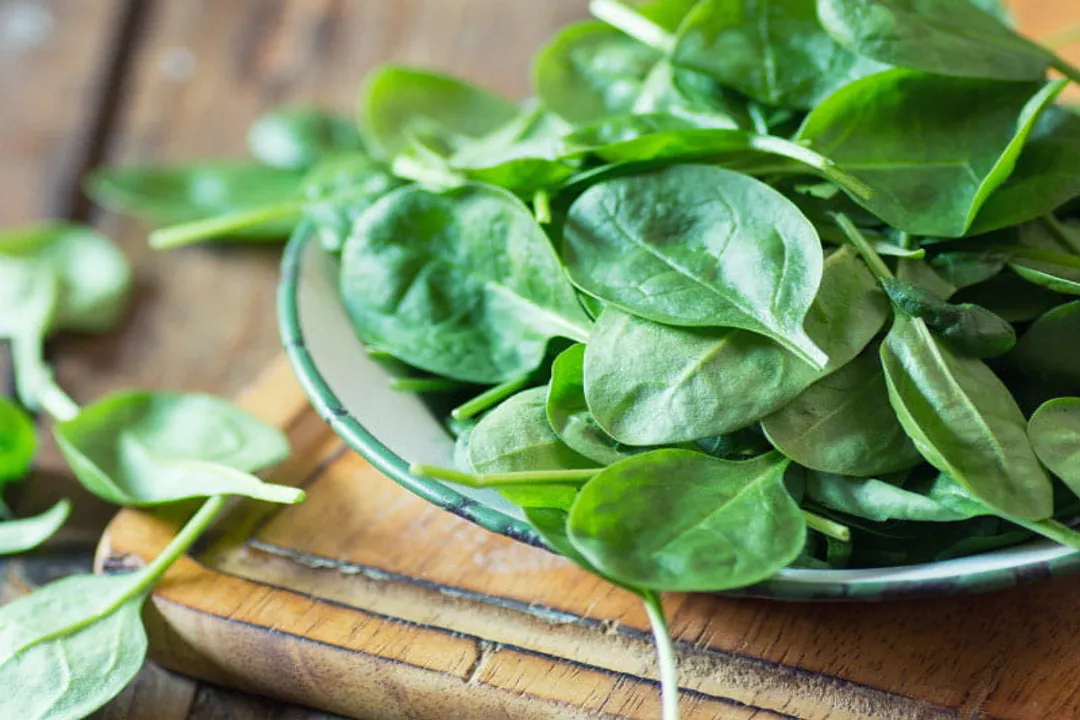
This unassuming leafy green, often relegated to a side dish or a component of a larger salad, actually packs an astonishing nutritional punch for its low-calorie count. Spinach, whether enjoyed raw or cooked, deserves recognition as a true superfood, offering a wide array of health advantages rooted in its rich concentration of vitamins, minerals, and unique plant compounds. [6][9] It is low in fat and remarkably low in calories, with just one cup of raw spinach containing approximately seven calories, making it an incredibly efficient source of essential nutrition. [6]
# Essential Nutrients
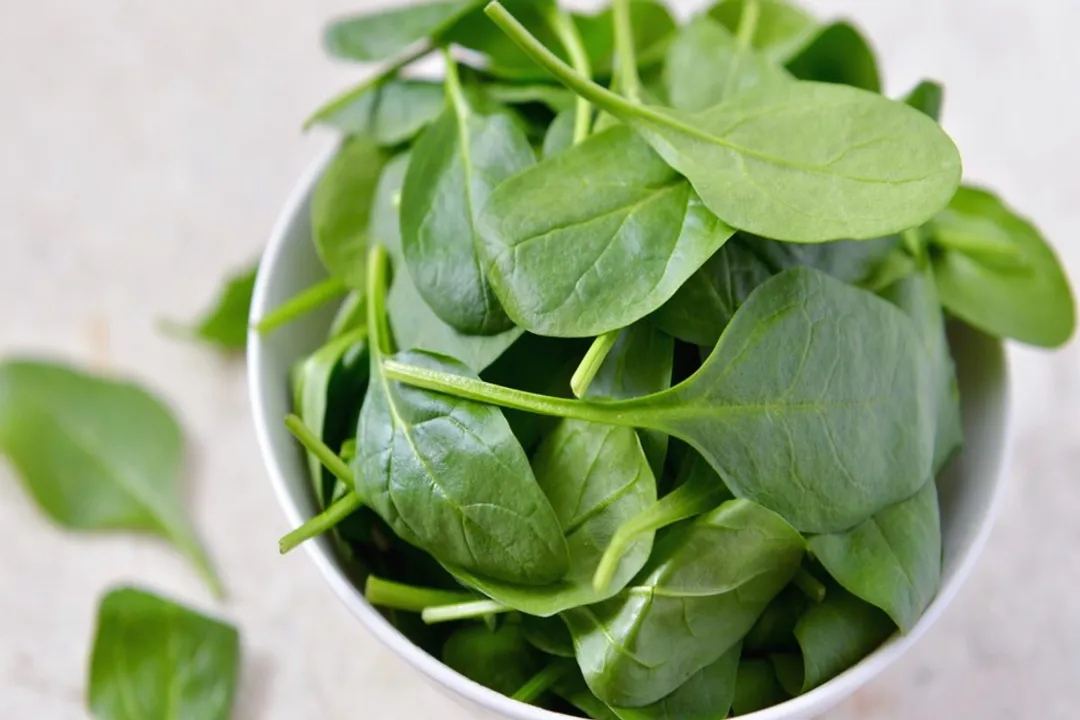
The foundation of spinach’s reputation lies in its dense profile of micronutrients. It serves as an excellent source of several vitamins and minerals vital for bodily functions, providing significant amounts often exceeding daily recommendations in a standard serving. [1][2][4]
# Vitamin K
Perhaps one of spinach’s most celebrated components is Vitamin K. [9] This fat-soluble vitamin is absolutely critical for the body’s ability to maintain strong bone density and for proper blood clotting mechanisms. [5][9] Adequate intake of Vitamin K is associated with lower risks of bone fractures, highlighting its role in skeletal health. [5] Beyond bones and clotting, Vitamin K is also involved in cellular processes that keep blood vessels healthy. [9] Because it is fat-soluble, consuming spinach with a source of healthy fat—like drizzling olive oil over steamed spinach or blending it into a smoothie with avocado—significantly enhances your body’s ability to absorb this crucial nutrient. [2]
# Vitamins A and C
Spinach is abundant in Vitamin A, primarily in the form of beta-carotene, which the body converts into Vitamin A. [1][9] This vitamin is indispensable for supporting vision, immune function, and skin health. [1][9] Similarly, it provides a good dose of Vitamin C, a well-known antioxidant that supports the immune system and aids in collagen production for healthy skin and connective tissues. [1][2]
# Folate and Minerals
The presence of Folate (Vitamin B9) is another major draw, playing a significant part in cell division and the creation of new DNA, making it especially important during periods of rapid growth, such as pregnancy. [2][4] Furthermore, spinach is a notable source of minerals like Magnesium, which assists in muscle and nerve function, energy production, and blood sugar control. [1][6] It also contains Iron, necessary for transporting oxygen throughout the body via red blood cells, although its iron content is best absorbed when paired with Vitamin C, as mentioned previously. [2][4]
# Antioxidant Power
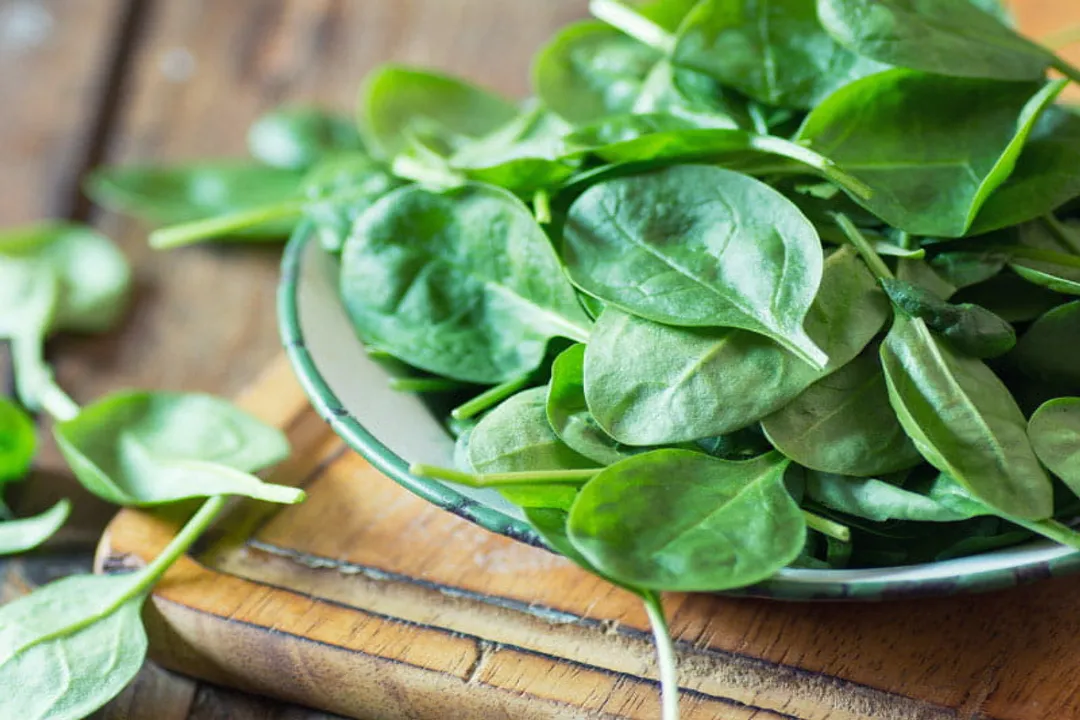
Beyond the standard vitamins and minerals, spinach is loaded with potent antioxidants that combat oxidative stress, a primary driver of chronic diseases and aging. [1][6] These protective compounds neutralize harmful free radicals within the body. [6]
# Lutein and Zeaxanthin
Two specific carotenoids found in high concentrations in spinach are lutein and zeaxanthin. [1][6] These compounds are particularly important because they accumulate in the macula of the eye, acting as a natural sunscreen to filter out damaging blue light. [1] Consuming foods rich in lutein and zeaxanthin is linked to a lower risk of age-related macular degeneration (AMD) and cataracts, making spinach a true eye health guardian. [1][6]
# Flavonoids Content
Spinach contains various flavonoids that exhibit anti-inflammatory and anticancer properties. [6] Among these are quercetin and kaempferol. [6] While the exact mechanisms are still under scientific investigation, these compounds contribute to the overall protective nature of the vegetable against cellular damage. [6] The presence of these diverse phytochemicals contributes to the vegetable’s authority as a functional food source. [1]

# Heart Health Support

The combination of nutrients in spinach offers considerable support for the cardiovascular system, influencing blood pressure, cholesterol levels, and blood vessel function. [3][4]
# Blood Pressure Regulation
Spinach is rich in dietary nitrates, naturally occurring compounds that the body converts into nitric oxide. [3][4] Nitric oxide is a potent vasodilator, meaning it helps relax and widen blood vessels. [3] This widening effect directly contributes to lower blood pressure, which is a key factor in reducing the risk of heart disease and stroke. [3][4] In fact, studies have suggested that consuming nitrate-rich vegetables like spinach can have a noticeable impact on these markers. [3]
# Cholesterol Management
While not a direct cholesterol-lowering agent like some specialized supplements, the dietary fiber and antioxidants in spinach contribute indirectly to a heart-healthy profile. [4] Fiber helps bind to cholesterol in the digestive system, removing it from the body, and the antioxidants help prevent the oxidation of LDL ("bad") cholesterol, a critical step in the development of arterial plaque. [4]
# Bone Integrity
The importance of Vitamin K in bone health cannot be overstated, and spinach delivers it generously. [5][9] While calcium gets most of the press for bone structure, Vitamin K is essential for activating the proteins involved in bone mineralization and remodeling. [5] Think of calcium as the brick and Vitamin K as the construction foreman ensuring the bricks are laid correctly into the wall structure. [9]
For readers looking to maximize their calcium intake from greens, it is worth noting that spinach contains oxalates, which can bind to calcium and reduce its bioavailability. [2] While spinach still contributes calcium to the diet, it shouldn't be relied upon as the primary source of absorbable calcium compared to lower-oxalate dairy or fortified foods. [2]
| Nutrient | Primary Benefit | Absorption Note |
|---|---|---|
| Vitamin K | Bone health, blood clotting | Requires fat for optimal absorption [5][9] |
| Lutein/Zeaxanthin | Eye protection (AMD/Cataracts) | Found in the plant matrix |
| Nitrates | Vasodilation, blood pressure | Converted to nitric oxide [3] |
| Vitamin C | Immune support, collagen | Aids in Iron absorption [2][4] |
# Digestive Wellness
Spinach is a good source of dietary fiber. [4] Fiber is essential for maintaining regular bowel movements, preventing constipation, and supporting a healthy gut microbiome. [4] A well-functioning digestive system is linked not only to comfort but also to better overall nutrient absorption and immune regulation. [4] The volume provided by the fiber in spinach also contributes to feelings of satiety, which can be helpful for weight management efforts. [6]
# Cooking Methods Matter
How you prepare your spinach can significantly influence its nutritional impact. This is where practical knowledge bridges the gap between raw potential and realized benefit. [2]
# Raw vs. Cooked
Eating spinach raw, such as in salads or smoothies, preserves the highest concentration of heat-sensitive vitamins like Vitamin C and Folate. [2] However, raw spinach also retains the highest levels of oxalates. [2]
When spinach is cooked, the water content is dramatically reduced, meaning a serving of cooked spinach contains far more vitamins and minerals by weight than the same volume of raw spinach. [6] For example, cooking significantly concentrates the Vitamin K and Vitamin A content in the final serving size. [2] Steaming or light sautéing for short periods is generally the best method to reduce oxalates while minimizing the loss of heat-sensitive nutrients. [2]
# Reducing Oxalates
Oxalates, while naturally occurring, are compounds that can interfere with the absorption of certain minerals, particularly calcium and iron, and in susceptible individuals, they can contribute to kidney stone formation. [2] Boiling or blanching spinach, though it leaches some water-soluble vitamins into the cooking water, is an effective way to reduce oxalate levels substantially. [2] If you are someone who eats spinach very frequently or has a history of oxalate-related issues, choosing briefly steamed or blanched preparation over eating large amounts raw might be a worthwhile adjustment to your routine. [2]

# Energy and Mood
Spinach also contributes to daily energy levels through its mineral content. Magnesium, present in spinach, is a cofactor in hundreds of enzymatic reactions, many of which are related to energy metabolism and the creation of ATP (adenosine triphosphate), the body's primary energy currency. [6] Furthermore, the folate found in spinach is necessary for synthesizing neurotransmitters, which regulate mood and cognitive function. [4] Consistent intake of nutrients supporting these systems helps maintain stable energy and mental clarity throughout the day.
# Simple Integration Tips
Incorporating this powerhouse vegetable consistently is key to reaping its long-term benefits. Beyond standard salads, consider these actionable steps:
- The "Sneak-In" Method: When making pasta sauces, chili, or even ground meat dishes for tacos, stir in several handfuls of fresh spinach during the last few minutes of cooking. It wilts down to almost nothing, adding fiber, iron, and vitamins without altering the flavor profile significantly for most savory dishes. [7]
- The Morning Boost: Add a large handful of spinach to your morning oatmeal or cereal after the heat is turned off. The residual warmth is enough to slightly wilt it, making it easier to eat without destroying all the folate, and the slight presence of moisture helps it integrate better than adding it completely raw. [1]
By appreciating the specific roles of its components—from the circulatory support of nitrates to the cellular protection offered by lutein—spinach moves beyond being just a healthy green and solidifies its status as a functional food source for comprehensive wellness. [3][6]
Related Questions
#Citations
7 Reasons You Should Eat More Spinach - Health Cleveland Clinic
Top 10 health benefits of spinach - Nutrition - BBC Good Food
Among leafy green powerhouses, spinach packs a wallop
Health Benefits of Spinach You Should Know About - MedBox
Health Benefits of Spinach - WebMD
Spinach 101: Nutrition Facts and Health Benefits - Healthline
The Power of Spinach: 14 Health Benefits and Consumption Tips
Spinach: Nutrition and health benefits - Medical News Today
Health Benefits of Spinach | UPMC HealthBeat