How does the texture of New Zealand Spinach after sustained cooking compare to common spinach?
Answer
Its firm, substantial texture holds up well, maintaining structure unlike drastic wilting.
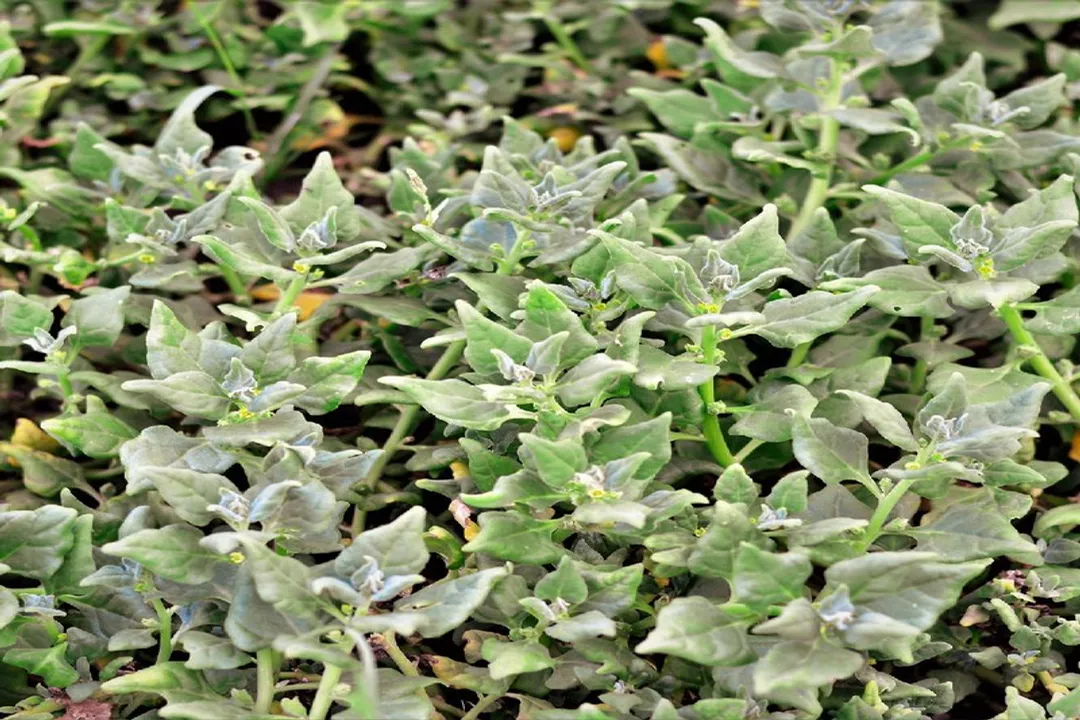
A distinguishing characteristic of *Tetragonia tetragonoides* in culinary applications is its robust cellular structure, attributed partly to its thick, succulent leaves. When subjected to heat, whether through steaming, boiling, or sautéing, it retains a pleasing firmness. This resistance to drastic wilting means it provides a substantial mouthfeel, making it suitable for slow-cooked dishes like stews or braises where common spinach would completely collapse. This textural integrity allows it to function well in recipes requiring sustained heat, offering a more satisfying bite than its delicate counterpart.
Related Questions
Why is Tetragonia tetragonoides valuable when dealing with summer heat compared to true spinach?Which fat-soluble antioxidant vitamin does New Zealand Spinach supply, supporting cellular protection?How can cooking Tetragonia tetragonoides effectively help individuals manage their intake of oxalates?How does the texture of New Zealand Spinach after sustained cooking compare to common spinach?What is the traditional Māori name associated with New Zealand Spinach?What best describes the growth habit of Tetragonia tetragonoides as it covers the ground?Because of its high water content, how might the concentration of some dry-weight minerals in New Zealand Spinach compare weight-for-weight against common spinach?In terms of cultivation requirements, what type of soil does Tetragonia tetragonoides successfully establish and grow well in?Which combination of vitamins found in New Zealand Spinach contributes to its overall antioxidant capacity?To maximize yield throughout the warm season, how is New Zealand Spinach often managed in terms of harvesting?