What specific class of powerful antioxidants do purple sweet potatoes contain, which are also found in blueberries?
Answer
Anthocyanins
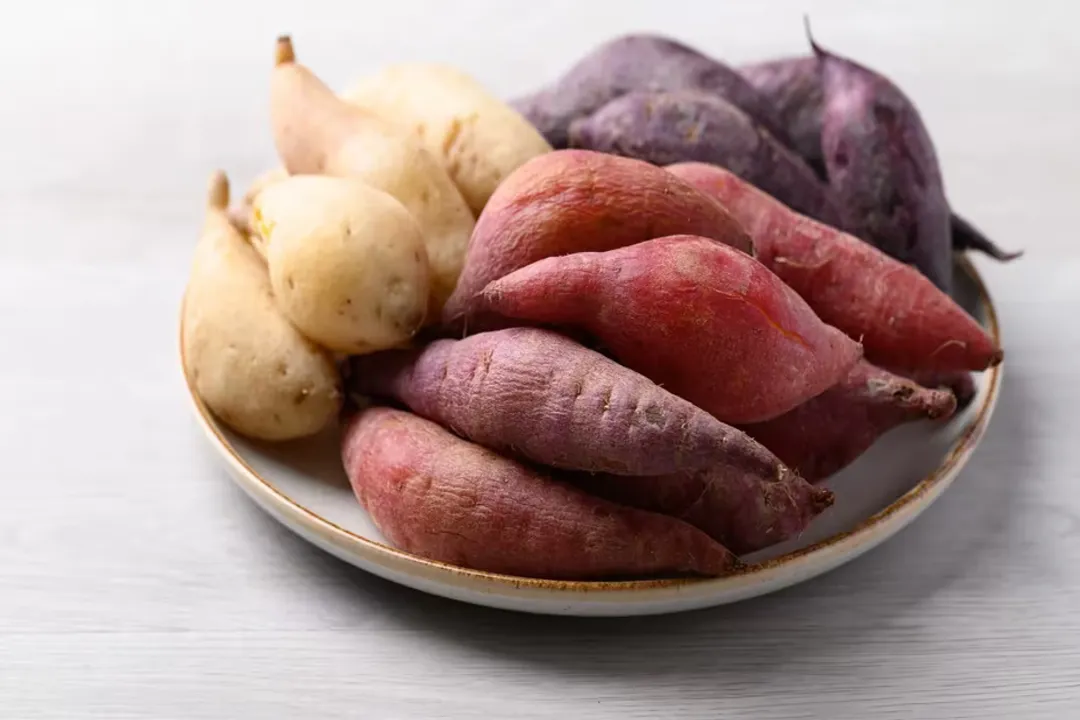
While the orange varieties of sweet potatoes are famous for their high carotenoid content, specifically beta-carotene, the text points out that other colors offer distinct phytochemical advantages. Purple sweet potatoes are noted for containing anthocyanins. Anthocyanins are recognized as potent antioxidants that contribute to the unique coloration observed in these vegetables. The text draws a direct parallel, noting that this same class of powerful compounds is also found in other foods like blueberries and red cabbage. Selecting these different colored varieties allows consumers to achieve a broader spectrum of cellular defense by cycling through various beneficial phytochemical classes.
Related Questions
What specific vitamin does the body convert beta-carotene, the pigment responsible for the orange flesh of sweet potatoes, into?What light-sensitive pigment in the eye’s photoreceptors is Vitamin A integral to forming, supporting good vision?Which crucial vitamin, significantly present in sweet potatoes, supports immune health by enhancing white blood cell function?What specialized role does the fiber content in sweet potatoes play regarding the beneficial bacteria residing in the gut?Which preparation method for sweet potatoes generally results in a lower Glycemic Index (GI) compared to baking?Sweet potatoes are naturally low in sodium and simultaneously offer a good dose of which mineral that supports healthy nerve and muscle function?What specific class of powerful antioxidants do purple sweet potatoes contain, which are also found in blueberries?Compared to white potatoes, what characteristic causes the sweet potato to consistently pull ahead on a nutrient-per-calorie basis?How does frying significantly alter the overall nutritional impression of a sweet potato compared to steaming?Which type of fiber found in sweet potatoes specifically helps manage blood sugar levels by slowing the absorption of sugar into the bloodstream?