What active compound, present especially in hot paprika varieties, interrupts pain signals to control inflammation?
Answer
Capsaicin
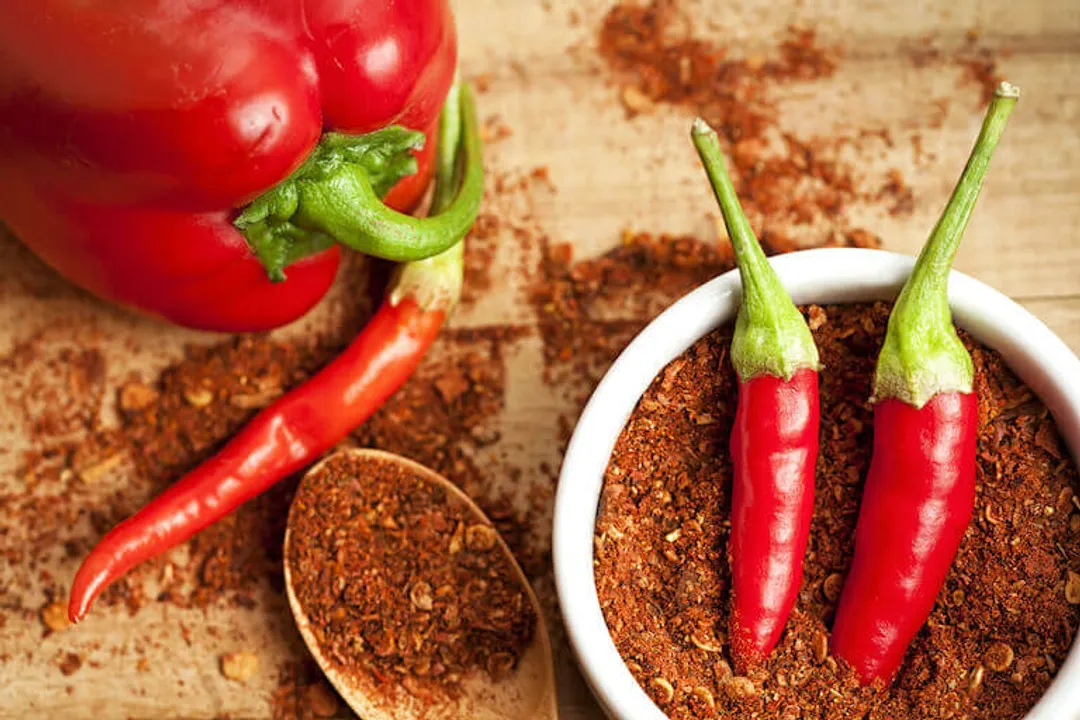
The therapeutic potential of paprika, particularly its hot varieties, is largely attributed to the presence of the active compound capsaicin. This chemical is responsible for the characteristic heat of spicy peppers. The mechanism through which it exerts anti-inflammatory effects involves binding to specific receptors located on nerve cells. This binding action effectively interrupts the transmission of pain signals and helps to calm localized inflammation, suggesting protective benefits against various inflammatory and autoimmune conditions affecting systems like the joints, gut, or nervous system.
#Videos
The Health Benefits of Paprika - YouTube
Related Questions
Who introduced Paprika seeds from the New World to Europe in the 15th century?Which cuisine notably elevated paprika, claiming it as its national seasoning since the mid-1700s?For a single tablespoon serving of paprika (about 6.8 grams), what is the stated DV percentage for Vitamin A?What compound, noted by Nobel Prize-winner Albert Szent-György, is present in paprika at higher concentrations than in citrus fruits?Which carotenoids are primarily responsible for providing paprika with its deep red pigments?Which age-related vision problem showed a significantly reduced risk in women with the highest intake of lutein and zeaxanthin?What active compound, present especially in hot paprika varieties, interrupts pain signals to control inflammation?Which carotenoid abundant in paprika is studied for its positive influence on increasing HDL (good) cholesterol levels?To maximize the bioavailability of fat-soluble carotenoids like beta-carotene in a paprika-seasoned meal, what should it be paired with?What specific traditional drying method gives Spanish paprika, or pimentón, its profoundly smoky flavor profile?Why might sweet paprika not confer the same anti-inflammatory benefits associated with capsaicin-rich hot varieties?