Health Benefits of Paprika
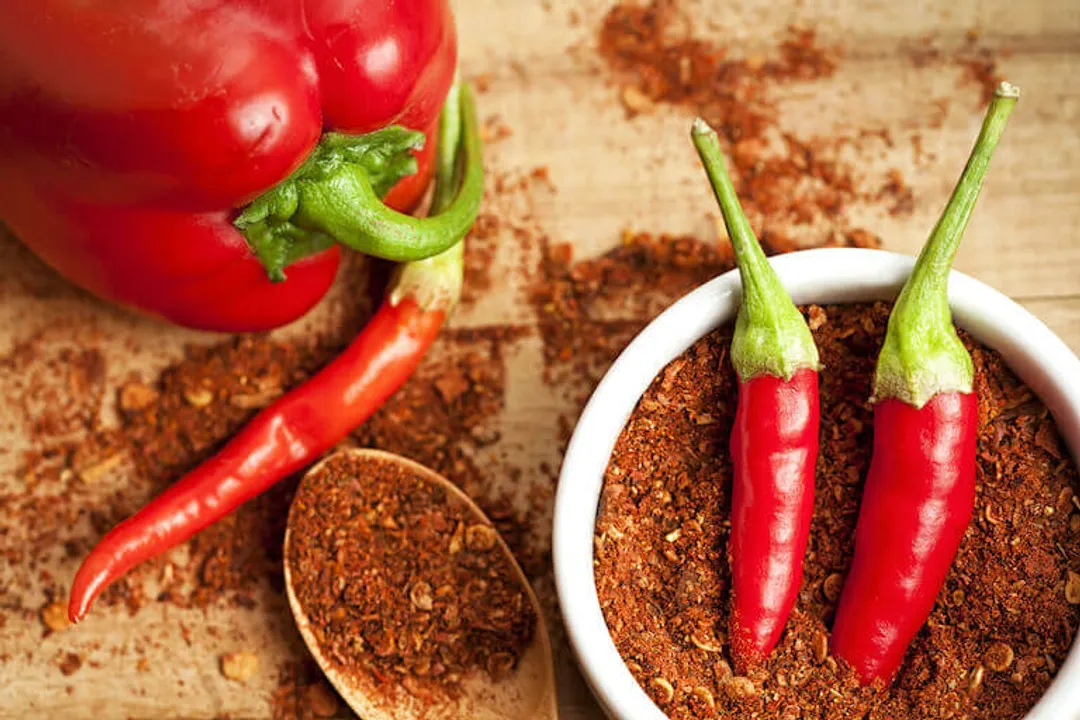
This vibrant, crimson powder, sprinkled so often as a mere garnish on deviled eggs or potato salad, carries a history far richer than its color suggests, and a potential health profile that deserves closer attention than just a dusting. Paprika is not a single entity; it is a spice derived from the dried and ground fruit of various peppers belonging to the Capsicum annuum family, the same species that yields familiar bell peppers and potent chili peppers. [3][5][6][7] Though its origins trace back to the New World, specifically Central and South America, it was explorers like Christopher Columbus who brought the seeds to Europe in the 15th century, where it truly took root, becoming an iconic staple, most notably in Hungarian cuisine. [5][6] Today, its presence spans from Spanish paella to general seasoning rubs globally. [1][5]
# Spice Origins
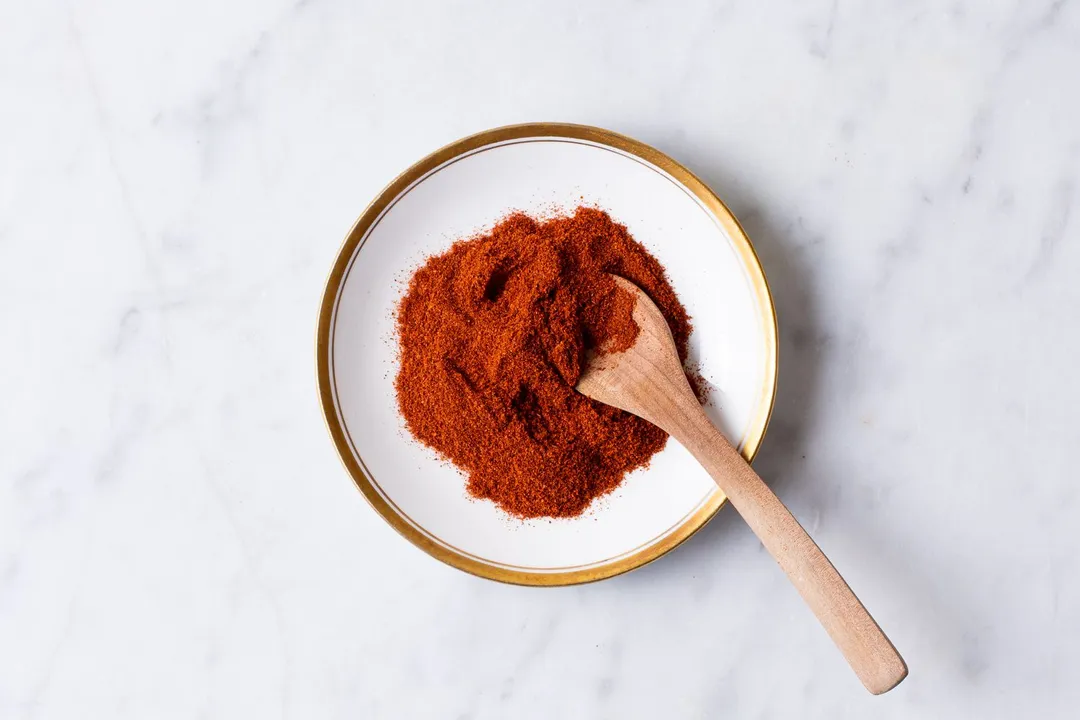
The journey of paprika from a South American curiosity to a European culinary cornerstone is fascinating. While the plant is native to the Americas, its culinary explosion occurred after its introduction to Europe. [5][6] Hungary, in particular, elevated the spice, eventually claiming it as its national seasoning, with records of its use there dating back to the mid-1700s, initially for medicinal purposes, such as treating intermittent fever. [5][6] The variation in the final product—sweet, hot, or smoked—is entirely dependent on the specific Capsicum annuum cultivar used and how it is processed. [5] For instance, Spanish paprika, known as pimentón, gains its deep character from being traditionally dried over oak wood fires, creating a profoundly smoky flavor absent in paprika made from air- or sun-dried peppers. [5][7] This processing difference is key: smoked paprika carries a distinct flavor profile even if the underlying pepper is sweet, distinguishing it from its non-smoked counterparts. [3]
# Nutrient Profile

When considering the impact of any food or spice on health, looking at its nutrient density is essential. [3] While most people use paprika sparingly, a single tablespoon (about 6.8 grams) packs a surprising micronutrient punch. [3] This small volume can deliver nearly 20% of the recommended Daily Value (DV) for Vitamin A. [3] Beyond Vitamin A, the same serving size often provides significant amounts of Vitamin E (around 13% DV), Vitamin B6 (near 9% DV), and Iron (about 8% DV). [3] Other sources suggest this one tablespoon could even account for as much as 71% of your daily Vitamin A needs, alongside high levels of Vitamin B6, Vitamin E, and Iron. [6] Furthermore, paprika is a source of minerals like potassium, calcium, and phosphorus, as well as the B vitamins Folate, Choline, and Niacin. [4][5][8] Interestingly, the Nobel Prize-winning chemist Albert Szent-György once noted that paprika, pound for pound, contains more Vitamin C than citrus fruits. [5]

# Color Pigments
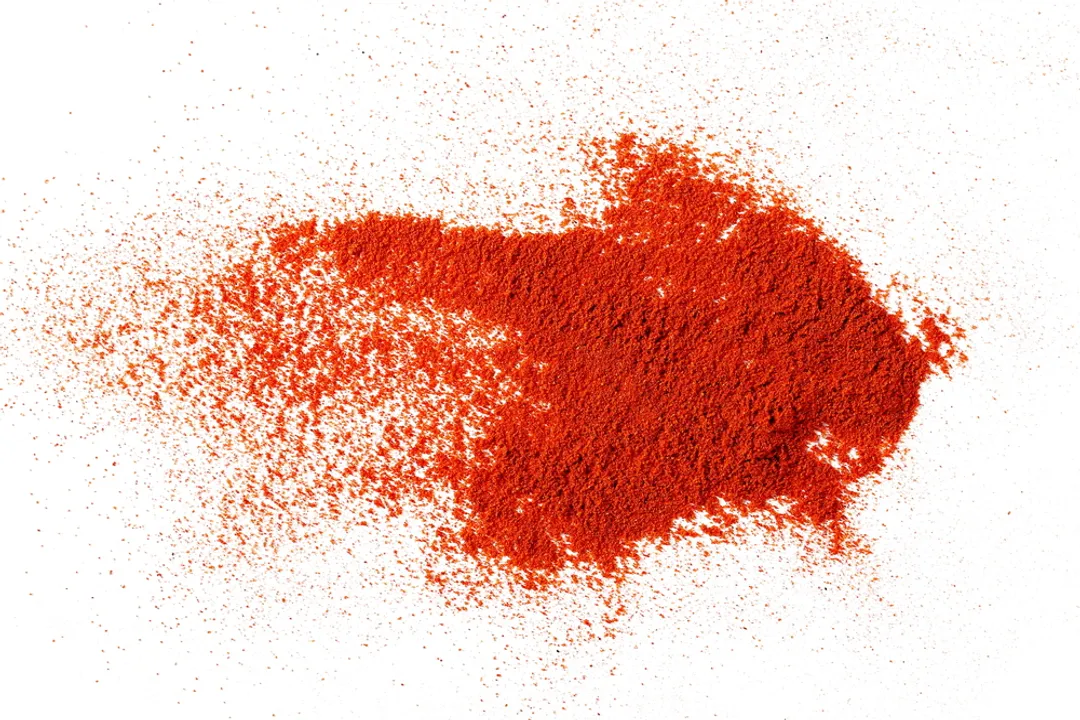
The vibrant colors of paprika—ranging from bright orange and red to deep reddish-brown—are indicative of the beneficial compounds within. [1][5] These colors are largely due to the presence of carotenoids, which act as powerful antioxidants. [3][6] Yellow and orange pigments include precursors like alpha-carotene and beta-carotene, while the red pigments are primarily capsanthin and capsorubin. [1] Other carotenoids present are zeaxanthin, lutein, and beta-cryptoxanthin. [1][3][6] These pigments are not only responsible for the spice’s visual appeal but are the foundation for many of its disease-fighting properties. [3][6]
The hue can also relate to heat; generally, peppers with more capsanthin tend to lean toward an orange or reddish-brown shade, often correlating with more heat, while a higher beta-carotene content results in a brighter red. [5] Moreover, the processing method affects color: sun-drying can lead to a lighter shade compared to the deeper, richer colors achieved through smoking. [5]
# Vision Defense
The antioxidants concentrated in paprika show a specific affinity for eye health. [3][6] Nutrients such as Vitamin E, beta carotene, lutein, and zeaxanthin all contribute to protecting the delicate structures of the eye. [3] Lutein and zeaxanthin, functioning as antioxidants, are particularly noteworthy because numerous studies have linked higher dietary intake of these two compounds to a reduced risk of common age-related vision problems. [3] Specifically, research involving women found that those with the highest intake of lutein and zeaxanthin were significantly less likely to develop cataracts. [3] Similarly, a large study in adults associated greater intake of these carotenoids with a decreased risk of age-related macular degeneration (AMD). [3] Vitamin B6, also present in paprika, is cited as another factor that helps maintain eye health and can slow the onset of macular degeneration when consumed alongside ample folate. [6]
# Inflammation Control
Paprika contains the active compound capsaicin, especially in its hot varieties, which is the source of its heat and many of its therapeutic claims. [3][4] Capsaicin is believed to exert its effects by binding to specific receptors on nerve cells, which can interrupt pain signals and calm inflammation. [3] This mechanism suggests potential protective effects against a spectrum of inflammatory and autoimmune disorders, which can manifest in the joints, gut, or nervous system. [3] For example, animal studies have indicated that capsaicin supplementation decreased inflammation associated with an autoimmune nerve condition. [3] In human trials concerning gastrointestinal diseases, capsaicin supplements helped prevent stomach inflammation and damage. [3] Even smoked paprika, which provides smoky flavor, still carries these anti-inflammatory benefits from its capsaicin content, though the concentration depends on the base pepper used. [9]
# Heart Lipids
Cardiovascular wellness is another area where paprika’s components show promise. [3][6] The carotenoid known as capsanthin, which is abundant in this spice, has been studied for its positive impact on cholesterol profiles. [3][6] Research has suggested that capsanthin can help increase levels of HDL (good) cholesterol—a factor inversely related to heart disease risk. [3][6] Conversely, the carotenoids in paprika may also help reduce levels of LDL (bad) cholesterol and total cholesterol. [3] A 12-week study involving healthy adults demonstrated that those taking a daily supplement containing paprika carotenoids experienced significantly lower LDL and total cholesterol compared to a placebo group. [3] Furthermore, the presence of Vitamin B6 is associated with helping to lower high blood pressure and facilitating the repair of damaged blood vessels. [6]
An important consideration for maximizing the absorption of these fat-soluble cholesterol-benefiting carotenoids is pairing your paprika-seasoned meal with a healthy fat source. For instance, when dusting paprika onto roasted vegetables, tossing them first in olive oil or a spoonful of avocado alongside the dish will substantially increase the bioavailability of compounds like beta-carotene and zeaxanthin. [6]
# Cancer Potential
The high antioxidant content in paprika has led researchers to investigate its role in cancer prevention and treatment. [3][4][6] Carotenoids such as beta carotene, lutein, and zeaxanthin actively combat oxidative stress, which is a known contributor to the risk of developing certain cancers. [3][6] In one observational study focusing on breast cancer risk among women, those with the highest measured blood levels of total carotenoids, beta carotene, lutein, and zeaxanthin showed a 25% to 35% lower likelihood of developing the disease. [3] Capsaicin, primarily in the hot varieties, also shows anticancer potential by interfering with gene expression that promotes tumor growth. [3] Early research, particularly from Japan, has highlighted capsaicin’s potent anti-inflammatory effects concerning the incidence of gastric cancer. [6]
# Sugar Balance
Managing blood sugar is increasingly relevant, and the capsaicin in spicy paprika may offer support here as well. [3][4] Capsaicin appears to influence the activity of specific genes involved in maintaining stable blood sugar levels. [3] It might also inhibit enzymes responsible for breaking down sugar in the body, which could slow sugar absorption, and potentially improve the body’s insulin sensitivity. [3] Evidence from a short-term study involving pregnant women diagnosed with diabetes indicated that taking a daily 5-mg capsaicin supplement led to a significant reduction in blood sugar spikes experienced after meals when compared to a placebo. [3] Another study observed that diets containing capsaicin-rich chili peppers resulted in lower post-meal insulin levels, which generally reflects better overall blood sugar control. [3]
# Blood Building
Paprika is recognized for contributing essential components necessary for maintaining healthy blood composition. [6][8] Iron, a fundamental element of hemoglobin—the protein in red blood cells tasked with oxygen transport—is present in the spice. [3][6] Additionally, Vitamin E is required to form the healthy membranes surrounding these red blood cells. [3] A lack of either nutrient can impair red blood cell production, potentially leading to anemia, characterized by fatigue and paleness. [3] Animal models have specifically highlighted Vitamin E's effectiveness in repairing red blood cell damage, while human studies have linked insufficient iron intake to a substantially increased risk of anemia. [3]
# Skin Shielding
Protecting the skin from environmental aggressors, especially the sun, is another surprising benefit attributed to paprika intake. [4] Specific studies involving paprika xanthophylls—the same pigments noted for eye health—have demonstrated that dietary consumption can actually suppress skin damage induced by UV light. [4] This protective effect is likely related to the antioxidant activity of these carotenoids. [4] Furthermore, the high Vitamin A content, known for its skin-supporting roles, contributes positively to skin health. [6]
# Weight Support
For those interested in supporting a healthy weight, capsaicin warrants attention. [4][8] The compound is being studied for its potential to suppress appetite and exhibit anti-obesity characteristics. [4] Some research indicates that capsaicin can improve fat metabolism, focusing specifically on the oxidation of abdominal fat. [4] Furthermore, xanthophylls found in paprika have shown the ability to contribute to a reduction in both BMI and abdominal fat mass in study participants. [4] Coupled with its potential to help regulate blood sugar, which prevents sharp insulin fluctuations that can encourage fat storage, paprika offers a multi-faceted approach when used as part of a balanced diet. [8]
# Culinary Integration
The sheer versatility of paprika in the kitchen ensures that incorporating these potential health benefits is simple. [1][5] Beyond its common use as a garnish, understanding the different types allows for strategic flavoring:
- Sweet Paprika: Best for adding vibrant color and a mild sweetness to dishes like potato salad, dips, or chicken paprikash. [1][5]
- Hot Paprika: Used when a noticeable spicy kick is desired in stews or rubs. [1][5]
- Smoked Paprika: Provides a deep, earthy smokiness, excellent for barbecue rubs, roasted vegetables, or bean dishes. [1][5]
A practical cooking tip centers on heat management: sweet paprika’s flavor continues to develop during cooking, making it suitable for earlier addition to dishes like soups or sauces. [5] However, both hot and smoked varieties, which contain capsaicin or strong volatile oils, are best added toward the end of the cooking process to preserve their full flavor compounds and intended heat level. [5] If you wish to deepen the flavor extraction of the fat-soluble antioxidants, heating the spice gently in a small amount of oil—creating a paprika oil—before adding it to the main dish is a technique that maximizes flavor release and compound availability, a method popular in certain South American and European cooking styles. [6][7] This simple step, moving paprika from a passive garnish to an activated ingredient, can subtly transform the nutritional opportunity presented by the spice in your daily meals.
# Safety Notes
While generally safe when used in typical culinary amounts, a few cautions exist. [7] First, many of the noted health benefits, such as those concerning inflammation and blood sugar, are specifically linked to capsaicin, meaning sweet paprika (made from bell peppers) may not confer those exact advantages. [7] Second, while the positives likely outweigh the negatives, smoked paprika, due to its preparation, can be higher in sodium and fat if consumed in substantially larger quantities than a typical sprinkle. [9] Finally, like any food item, paprika can provoke allergic reactions, with some cases noted as contact dermatitis or even anaphylaxis in severe instances, making it important to consult a provider if symptoms arise after consumption or handling. [4][7]
#Videos
The Health Benefits of Paprika - YouTube
Related Questions
#Citations
8 Science-Backed Benefits of Paprika - Healthline
Health Benefits of Paprika - WebMD
Paprika Benefits, Side Effects, and Preparations - Verywell Fit
What Is Paprika? A Guide to Its Types, Benefits, and Cooking Tips
Paprika: The Antioxidant-Rich Spice that Fights Disease - Dr. Axe
The Health Benefits of Paprika - YouTube
Paprika: Important Facts, Health Benefits, and Recipes - Relish
Elevate Your Health with Paprika's Surprising Benefits - Wurzpott
What are the Health Benefits of Smoked Paprika? | Is it bad for you?