How do legal definitions of a food store primarily contrast with general dictionary understandings?
Answer
Legal definitions focus on the business activity and the quantitative measure of sales derived from food items.
While dictionaries tend to define a food store based on *what* is sold—namely foodstuffs and often household goods—legal and regulatory definitions shift the emphasis toward *how much* is sold. This quantitative focus is essential for regulatory classification, ensuring that the entity's primary purpose is indeed food distribution rather than being a general merchandise retailer that incidentally carries a few food products. This focus on the proportion of sales dictates its classification for licensing or program eligibility.
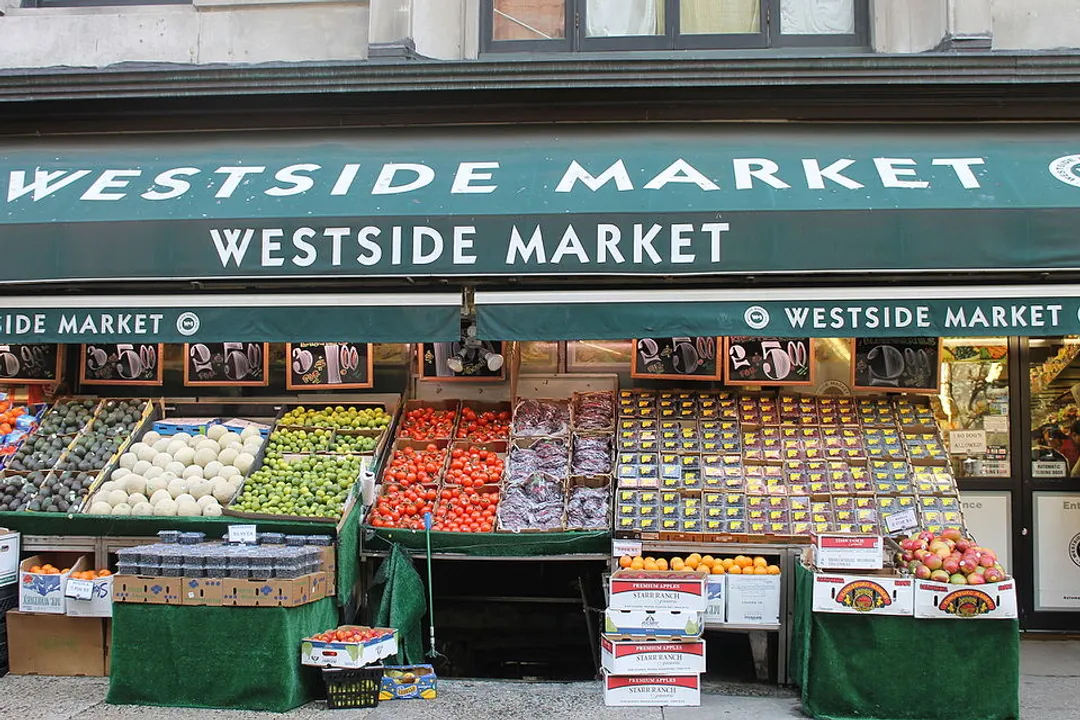
Related Questions
What is the fundamental function defining a "food store" at its most basic level?How do legal definitions of a food store primarily contrast with general dictionary understandings?What purpose is served by requiring a minimum threshold of sales derived from food items for a Retail Food Store?What analytical benchmark often hovers around the gross sales percentage dedicated to eligible food items for regulatory classification?According to FNS guidelines, what items are central to the inventory focus for stores authorized to accept SNAP benefits?What operational capability is central to the "retail dogmas" for a modern food store, distinct from specialized markets?How does the specialized layout of a food store reflect its operational definition?What specific requirement might qualify an establishment as a Local Food Hub or Producer-Retailer in zoning laws?Why is the term "food store" considered a more modern, bureaucratic preference compared to "grocery store"?What does the Law Insider definition of a "Food Store" explicitly clarify regarding its function relative to restaurants?