What is the meaning of storing food?
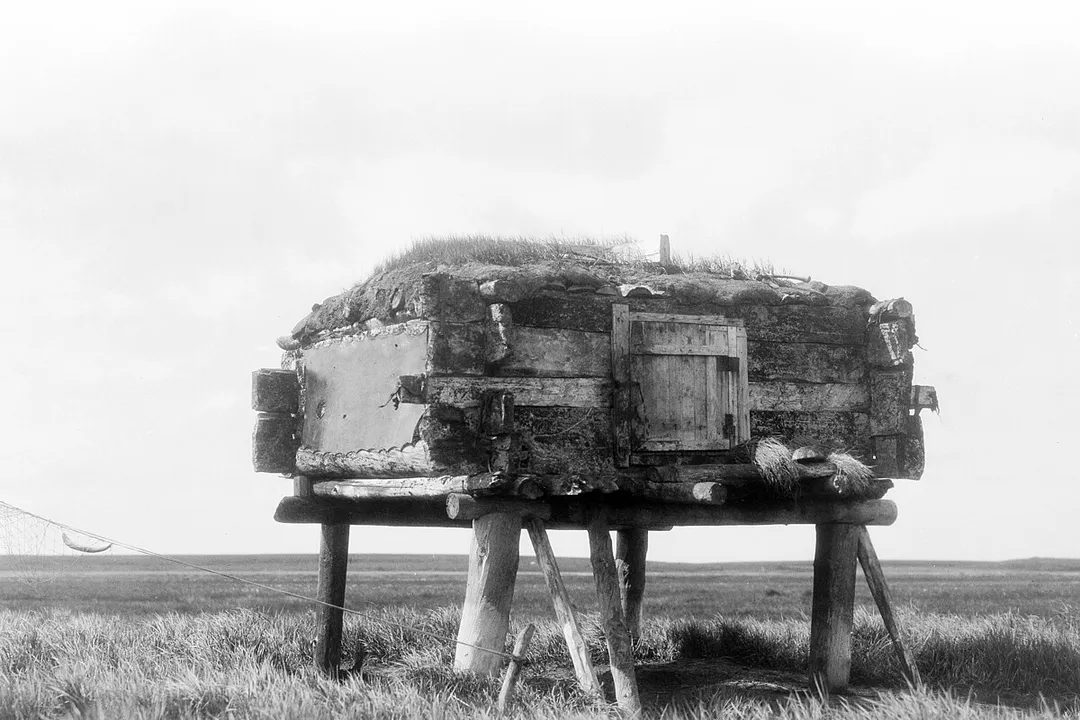
This is a foundational practice woven into the fabric of human civilization: the act of storing food. At its simplest, food storage means taking measures to keep edible items safe and available for consumption at a later time, moving beyond immediate harvest or purchase. [3][2] It is a strategic method of decreasing the natural variability in the food supply, ensuring that food can be eaten weeks or months after it was gathered, rather than being limited to immediate use. [3] This seemingly simple practice is complex, involving a combination of techniques, technologies, and an understanding of food science to maintain quality, safety, and nutritional value while minimizing loss. [2]
# Purpose Defined
The significance of storing food extends across several critical dimensions: sustenance, economics, safety, and preparedness. Historically, storage was a domestic skill, like root cellaring, allowing societies to bridge seasonal gaps. [3] Today, it is also an enormous industrial and commercial activity known as food logistics, essential for national and global food security. [3]
The core functions can be broken down into a few key areas:
- Safety and Health: Proper storage is a primary defense against foodborne illness caused by consuming decomposing food or pathogenic microorganisms like Salmonella or E. coli. [3][4] By controlling temperature and environment, the growth of these harmful agents is slowed or stopped. [4][6]
- Waste Reduction: Preserving food that would otherwise go uneaten or unused directly combats food waste, a major global issue. [3]
- Dietary Consistency: Storage enables a more balanced diet throughout the year, irrespective of what is currently in season. [3]
- Preparedness: Maintaining a store of food is recommended for preparing for catastrophes, emergencies, or periods of scarcity. [3]
- Economic Benefit: For the consumer, proper storage helps maximize the food dollar by preventing spoilage. For commerce, storage allows for the distribution of harvested and processed products to consumers efficiently. [3]
For instance, the decision to use a specific storage method often hinges on risk versus reward. Refrigeration slows bacterial growth, while canning or drying aims for near-permanent preservation. [2] Yet, even sophisticated methods have limits; for example, while freezing below () can preserve food almost indefinitely, the quality—flavor, color, and texture—will eventually degrade over extended periods. [3]
# Preservation Science
Food storage is fundamentally applied food science, managing the biological and chemical factors that cause deterioration. [2] Microorganisms, enzymes, and chemical reactions are the primary agents of change that storage methods attempt to control. [2]
# Temperature Control
Temperature management is arguably the most vital aspect of safe storage, especially regarding perishable items. [3][4]
The Danger Zone is a critical concept: foodborne pathogens multiply rapidly when temperatures fall between and ( to ). [4]
- Refrigeration: This slows microbial growth. The refrigerator temperature should consistently be at or below (), but ideally not below (). [3][4] Overcrowding the refrigerator is counterproductive, as it prevents necessary air circulation to maintain consistent cold temperatures. [4]
- Freezing: For long-term preservation, the temperature must be maintained at () or lower. [3][4] Freezing stops bacterial growth, but it does not necessarily kill all bacteria; thus, careful thawing and cooking are required afterward. [4]
When dealing with the transition between temperatures, such as transporting groceries home, it is crucial to adhere to the "two-hour rule": perishables should not sit at room temperature for more than two hours, or one hour if the air temperature exceeds . [4]
# Controlling Moisture and Atmosphere
Beyond temperature, controlling water activity is key to inhibiting microbial life. [6]
- Drying: This is the oldest preservation method, relying on removing moisture so microorganisms cannot multiply. Solar drying (sun drying) or using artificial heat sources like dehydrators are common methods, particularly for high-acid foods like fruits. For meats like jerky, safety requires a crucial preliminary step: cooking the meat to () or poultry to () before dehydrating. If meat is only dried without reaching these initial kill temperatures, surviving pathogenic bacteria can become heat-resistant during the slow drying process.
- Dry Storage: Ingredients like flour, rice, and grains should be stored in rigid, sealed containers to guard against moisture, insects, and rodents. [3] Glass containers are traditional, but metal cans or modern sealed containers are also effective. Storing grain in cloth sacks is often ineffective, as spoilage can occur rapidly, even in dry areas. [3]
It's interesting to note the contrast between methods like drying and freezing regarding quality retention. Drying, while ancient and effective for long-term storage, fundamentally alters the food's structure by removing water, whereas freezing maintains the original structure better, though it still affects quality over many months. [2][3]
# Safety Protocols in Practice
The meaning of proper food storage is realized through adherence to specific safety guidelines designed to prevent illness. [4] These guidelines, often researched by scientists and promoted by bodies like the USDA and FDA, address risks specific to food types and storage environments. [3][4]
# Preventing Cross-Contamination
A major safety risk is cross-contamination, where pathogens transfer from one food item to another. [4][6]
For raw meats, poultry, and seafood, prevention involves:
- Placing them in individual plastic bags before putting them in the refrigerator to contain any potential juices.
- Storing raw meats on the lowest shelf in the refrigerator. This ensures that any accidental drips will not contaminate ready-to-eat foods stored below them. [4][6]
Furthermore, marinating food must happen inside the refrigerator, never at room temperature, and any leftover marinade used as a sauce must first reach a rolling boil. [4] Regular cleaning of the refrigerator and immediate wiping of spills are also non-negotiable steps for controlling bacteria like Listeria. [4]
# Shelf-Stable Concerns
Shelf-stable foods are non-perishable items treated (usually by heat or drying) and sealed to destroy microorganisms that cause illness or spoilage, allowing them to be stored at room temperature until opened. Examples include many commercially canned goods, dried pasta, and rice.
However, not all canned goods are automatically safe at room temperature; some seafood and ham varieties must be explicitly labeled "Keep Refrigerated". When handling canned goods:
- Check for damage. Bulging, deeply dented, cracked, or leaking cans must be discarded immediately due to the risk of deadly Clostridium botulinum toxin (botulism).
- The hissing sound upon opening is often normal (due to vacuum release), but loud hissing or forceful spurting indicates danger.
- For home-canned low-acid foods, a significant safety measure, if unsure of processing, is to boil the contents for $10$ minutes (plus an extra minute for every $1,000$ feet of elevation) before tasting or eating, although this boiling step does not guarantee the elimination of all potential defects from underprocessing.
# Quality Maintenance and Rotation
Beyond immediate safety, food storage is about maintaining quality—flavor, texture, color, and nutritional value—which maximizes the value of the food purchased.
# Lipid Oxidation
Fats and oils present a specific quality challenge because they can go rancid through oxidation, often without an obvious smell until the spoilage is advanced. [3] Oils high in polyunsaturated fats (like safflower at $74%$) spoil faster than those lower in them (like olive at $8%$). [3] To prevent this, oils should be stored in dark, oxygen-safe containers, and once opened, they should be refrigerated and used relatively quickly. [3]
# Extending Herb Life
Herbs, which store volatile oils that give them flavor, gradually lose potency after about six months to a year. [3] A good technique for preserving garden herbs beyond this period, which isn't just about simple refrigeration, involves incorporating them into fats. One can chop herbs and mix them into unsalted butter, roll the mixture into a cylinder in wax paper, and freeze it. This allows for controlled portioning for cooking and extends the herb's usability for up to a year. [3] This method contrasts with simply freezing them in water cubes, which works but might dilute the flavor when used in subsequent cooking steps. [3]
# Food Rotation Strategy
One crucial operational aspect of meaningful storage, whether for home or commercial use, is food rotation. [3] This practice dictates that the oldest food in storage is used first, and as it is consumed, new stock is added to the back of the shelf or bin. This system, sometimes called (First-In, First-Out), ensures that nothing remains in storage so long that it risks becoming unsafe or losing unacceptable levels of quality. [3] Simple labeling of containers with the date they were stored makes adhering to this discipline straightforward. [3]
A useful, yet often overlooked, analysis in domestic food storage is the concept of dietary fatigue. While storing staple, calorie-dense foods like rice, beans, and dried milk is vital for emergency readiness, relying on an unvarying diet prepared the same way can lead to appetite exhaustion, causing individuals to consume fewer calories than needed for survival or well-being. [3] Therefore, a truly meaningful food storage plan incorporates enough variety to maintain morale and caloric adherence during extended reliance on stored supplies. [3] This necessitates storing a spectrum of flavors and textures, not just the cheapest staples. [3]
# Commercial and Advanced Storage
The meaning of storage scales up significantly in commercial logistics, where systems must handle massive volumes reliably. [3]
- Grain Storage: Grains like wheat and corn are often stored in towering silos near production points before being shipped in large, sterile containers that minimize pest access. [3]
- Produce Handling: Fresh fruits and vegetables typically have a very short shelf life, often less than two weeks, even under constant refrigeration, which is why they are refrigerated as soon as possible after harvest. [3]
- Meat Logistics: Modern meat transport relies heavily on the cold chain, utilizing refrigerated rail cars for long-distance transport, a massive improvement over the past when meat had to be transported alive, significantly increasing cost and limiting access to farmers and the wealthy. [3]
Advanced packaging techniques have redefined long-term preservation beyond traditional canning. The retort pouch, developed initially for military rations (MREs), is a layered flexible package sterilized at high temperatures (around to ). Its flat shape allows for faster heat penetration during processing compared to metal cans, potentially leading to better-tasting products. MREs are highly shelf-stable; for example, if kept at (), they can last seven years or more, though storage temperature is directly linked to longevity—at (), the life drops to about one month.
Another advanced method, aseptic packaging, involves sterilizing the food and the container separately with ultra-high heat, then sealing them together in a sterile environment without subsequent high-heat processing. This method, common for liquids like milk, juice, and broth, uses a laminate material (paperboard, polyethylene, and aluminum foil) that prevents light and oxygen ingress, eliminating the need for refrigeration without preservatives.
In essence, the meaning of storing food is the application of knowledge—whether ancient wisdom or modern chemical engineering—to bridge the gap between production and consumption, ensuring safety and availability across time and distance. [3][2] It is not just about putting food away; it is about actively managing its decline through precise environmental control. [2]
#Videos
What Is Food Storage, the Benefits, 5 Types of Food ... - YouTube
Related Questions
#Citations
Food storage - Wikipedia
Storing - National Center for Home Food Preservation - UGA
Are You Storing Food Safely? - FDA
What Is Food Storage, the Benefits, 5 Types of Food ... - YouTube
Food Storage Definition - Principles of Food Science Key Term
Shelf-Stable Food Safety
[PDF] Food Storage for Safety and Quality - El Paso County Extension