What does it mean to go forage?
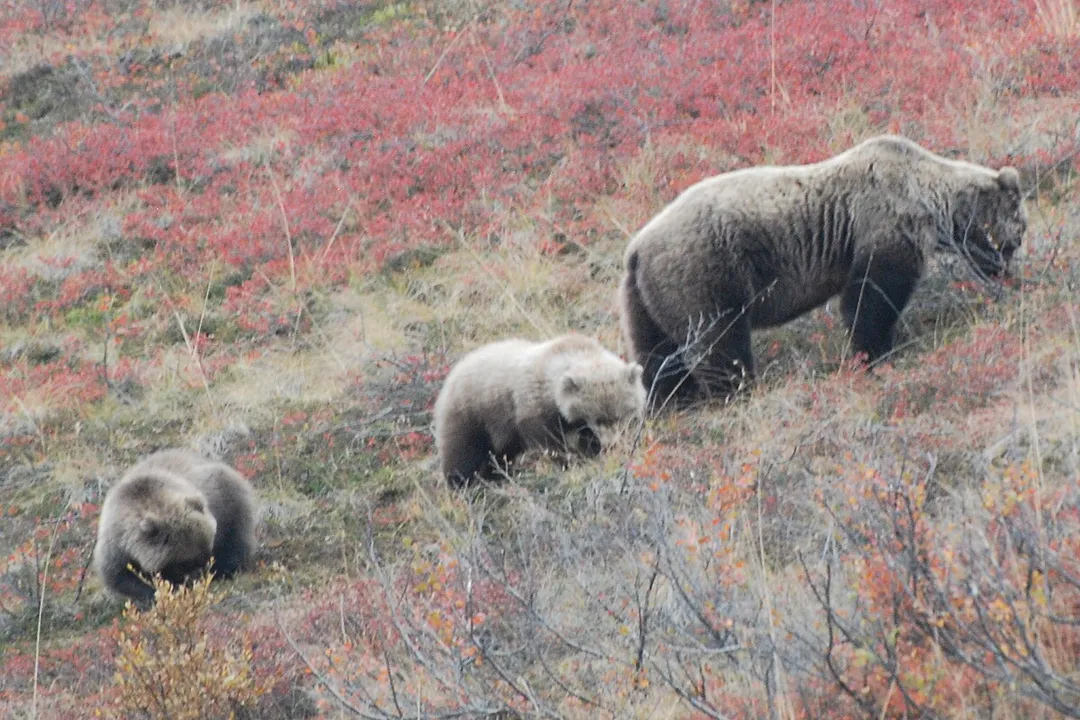
The act of looking around intently for food or provisions is what the term foraging describes, connecting everything from animal behavior to modern sustainable practices. [1][2][9] At its most fundamental, the verb means to search about for food or provisions. [1][2] This action applies to both animals establishing their sustenance and people seeking necessary items. [1][5]
# Word Scope
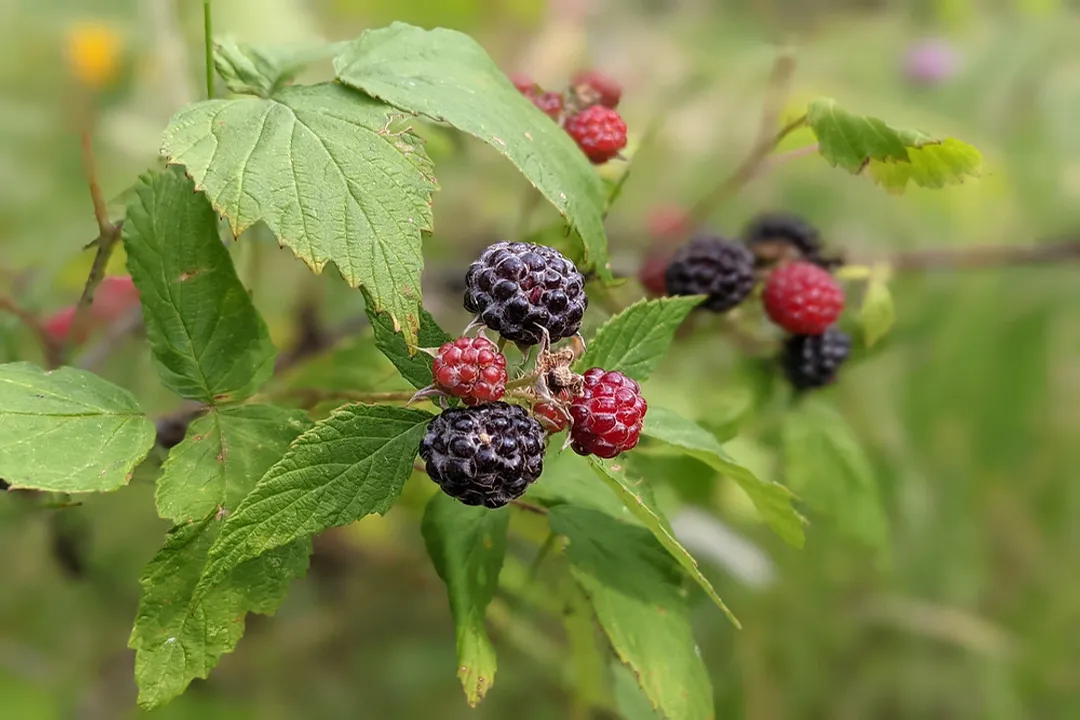
The definition of foraging is quite broad, often depending heavily on context. [5] For an animal, such as a bird or a deer, foraging simply means searching for food in its natural environment. [1][2][3] It is the routine activity of finding sustenance necessary for survival. [3] When applied to a person, the term traditionally means searching for provisions or supplies generally. [1][2][9]
However, in contemporary language, the application to human activity has several distinct layers. One layer refers to the practice of intentionally gathering wild food resources, like mushrooms, berries, or greens, which is often done for culinary interest or self-sufficiency. [6][7] Another, more sensitive application relates to individuals who have no other means of acquiring food, sometimes described as looking for discarded items or sustenance in public spaces. [4][5] This latter usage has drawn commentary regarding its appropriateness, as some feel it can sound clinical or offensive when applied to people experiencing homelessness, given its strong association with animal behavior. [5]
When comparing the traditional dictionary understanding to modern usage, a key distinction emerges. Dictionaries define the core action as searching. [1][2][9] For the modern enthusiast, foraging is often an intentional harvest of wild edibles, moving beyond mere searching to active acquisition based on knowledge. [7]
# Wild Harvest
Foraging as a dedicated hobby or lifestyle practice involves seeking out edible wild plants, mushrooms, and other natural items. [6][7] People who engage in this often describe it as connecting with nature while supplementing their diet with fresh, hyper-local ingredients. [6] It is a practice rooted in ancestral human behavior, though today it is often pursued recreationally or for perceived health benefits. [3][6]
This modern interpretation requires specialized knowledge far beyond just knowing what something looks like. For example, one might learn to identify specific types of wild onion or the difference between an edible and a poisonous mushroom species. [7] The Vitacost approach suggests that beginners often start with common, easily identifiable edibles, like certain berries or greens, to build confidence. [6] In Colorado, for instance, those new to the practice are encouraged to start with familiar plants that have few toxic look-alikes. [7]
This activity moves away from simply looking for food to ethically and safely acquiring food. It is a form of gathering that relies on deep ecological awareness, ensuring that the practice is sustainable for the local environment. [7]
# Safety First
Safety is perhaps the most critical component of human foraging, distinguishing it sharply from an animal's instinctive search for food. An animal acts on immediate need and instinct; a person must act on verified knowledge. [3] Mistakes in identification can lead to severe illness or worse. [7]
A good starting point involves focusing on what to look for and, crucially, what not to touch. For instance, when learning about plants, it is sometimes suggested to learn at least three non-edible or poisonous plants that grow in the area before focusing too heavily on edibles. [7] This focus on negative identification builds a necessary safety buffer.
Another essential consideration involves the environment where the foraging takes place. Contamination is a real risk. Harvesting near roadways, industrial sites, or areas treated with pesticides means that the gathered goods may carry harmful chemicals or heavy metals. [6] Responsible foragers must assess the history and current use of the land they harvest from. [6]
| Harvest Item Category | Identification Difficulty | Environmental Concern |
|---|---|---|
| Common Greens (e.g., Dandelion) | Low | Pesticide/Herbicide runoff |
| Wild Berries | Medium (Look-alikes) | Poisonous look-alikes |
| Wild Mushrooms | High | Extreme toxicity risk |
This table illustrates how the perceived ease of finding an item does not always correlate with the safety of consuming it.
# Term Sensitivity
The language surrounding foraging is worth careful consideration, particularly when discussing human populations in need. [5] As the definition covers searching for provisions for people and animals alike, [1][2] it is technically applicable to someone seeking food scraps or discards. [5]
However, in online discussions, there is acknowledgement that using the term "forage" for homeless individuals can sometimes be viewed as offensive or derogatory. [5] The perception arises because the word is so closely tied to the instinctive, non-human search for food, making its application to a person lacking resources feel dehumanizing. [5] It’s an important distinction: while the dictionary definition allows for both interpretations, social context often assigns a stigma to the human application outside of intentional, recreational gathering. [5]
A balanced approach involves recognizing the literal definition while being sensitive to the context of human poverty or survival. When talking about animals, the word is purely descriptive of behavior; when applied to vulnerable humans, it can carry an unintended judgment about their circumstances. [4][5]
# Knowledge Investment
The transition from simply searching to successfully foraging requires a significant investment of time in education, which separates the hobbyist from someone just wandering through the woods looking for anything edible. [7] A knowledgeable forager understands ecological cycles, seasonal availability, and local regulations.
This is where personal commitment replaces mere curiosity. It means spending time not just in the field, but also with field guides, reputable books, and experienced mentors. [7] One actionable tip for those serious about making this a regular practice is to establish a personal "Rule of Three" before ever putting anything in your basket: you must be able to identify it by three distinct characteristics (leaf shape, bloom color, smell, etc.), you must know at least one toxic look-alike, and you must know the local regulations regarding harvesting on that specific land. [7] If you cannot verify all three, the item remains untargeted.
This commitment to learning also addresses the authority aspect of E-E-A-T for a forager. True expertise is built on documented, verifiable success and caution, not just anecdotal finds. For someone new, this means focusing on one plant family at a time until mastery over identification and safe handling is achieved, rather than trying to learn everything at once. [6]
# Ethical Harvesting
When foraging for wild food, the concept of sustainability immediately comes into focus. Going foraging responsibly means taking only what you need and ensuring that the population can rebound for the next season. [7] This speaks to respecting the natural capital you are drawing upon.
A simple guideline often emphasized is the 10 Percent Rule: Never harvest more than ten percent of what is available in a single patch. [7] This provides a significant buffer for wildlife that also relies on the resource and allows the patch itself to regenerate seeds or root stock effectively. If you find only five plants, taking only one is the appropriate action under this guideline. If you find fifty, taking five is sufficient for most personal needs and maintains ecological balance.
Furthermore, it is crucial to understand land ownership and local laws. Foraging on private property without permission is trespassing, regardless of intent. [7] In public lands, rules vary widely—some parks strictly forbid the removal of any plant life, while others permit small, personal harvests of certain items. [7] Knowing these boundaries is part of the responsibility inherent in the practice.
In essence, to "go forage" today means engaging in a mindful, educated search for wild sustenance, balancing the primal human desire to gather with a modern, ethical commitment to environmental stewardship and personal safety. [3][6] It is a practice deeply dependent on experience and expertise to be conducted safely and respectfully. [7]
#Videos
Word of the Day: Forage - YouTube
Related Questions
#Citations
FORAGE Definition & Meaning - Merriam-Webster
FORAGE | definition in the Cambridge English Dictionary
Foraging - Wikipedia
What is foraging and how does it work? - Facebook
Is it possible to use the verb forage in the context of the homeless ...
What Does Forage Mean? A Beginner's Guide to Foraging - Vitacost
An Introduction to Foraging
Word of the Day: Forage - YouTube
FORAGE Definition & Meaning - Dictionary.com