What does raw food mean?
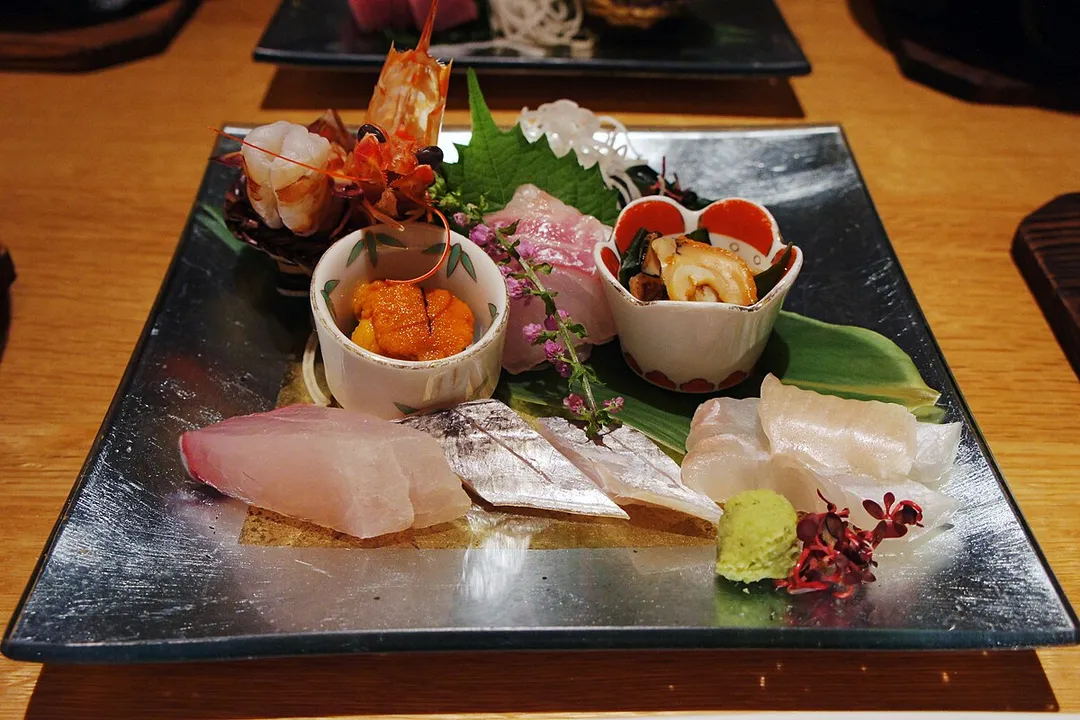
The concept of "raw food" centers on a commitment to consuming foods in their natural, uncooked state, often aiming to maximize nutrient retention and enzyme activity. This approach is not merely a temporary fad but a distinct dietary lifestyle rooted in specific philosophies about health and nutrition. [8][5] At its simplest, raw foodism suggests that heating food above a certain temperature destroys vital enzymes and reduces the nutritional value of the food being consumed. [6][1]
# Core Principles
The fundamental dividing line for what qualifies as raw food is heat exposure. Most proponents define raw foods as anything that has not been heated above a specific temperature threshold. [2][8] This temperature is most commonly cited as 104–118 degrees Fahrenheit (40–48 degrees Celsius). [1][2][8] Food heated beyond this point is generally considered processed or cooked, disqualifying it from a strictly raw diet. [2]
The philosophy extends beyond just avoiding the stove. It often includes avoiding food that has been highly processed, refined, or treated with artificial additives. [5][3] The goal is to eat foods that are as close as possible to how they exist in nature. [5]
# Food Categories
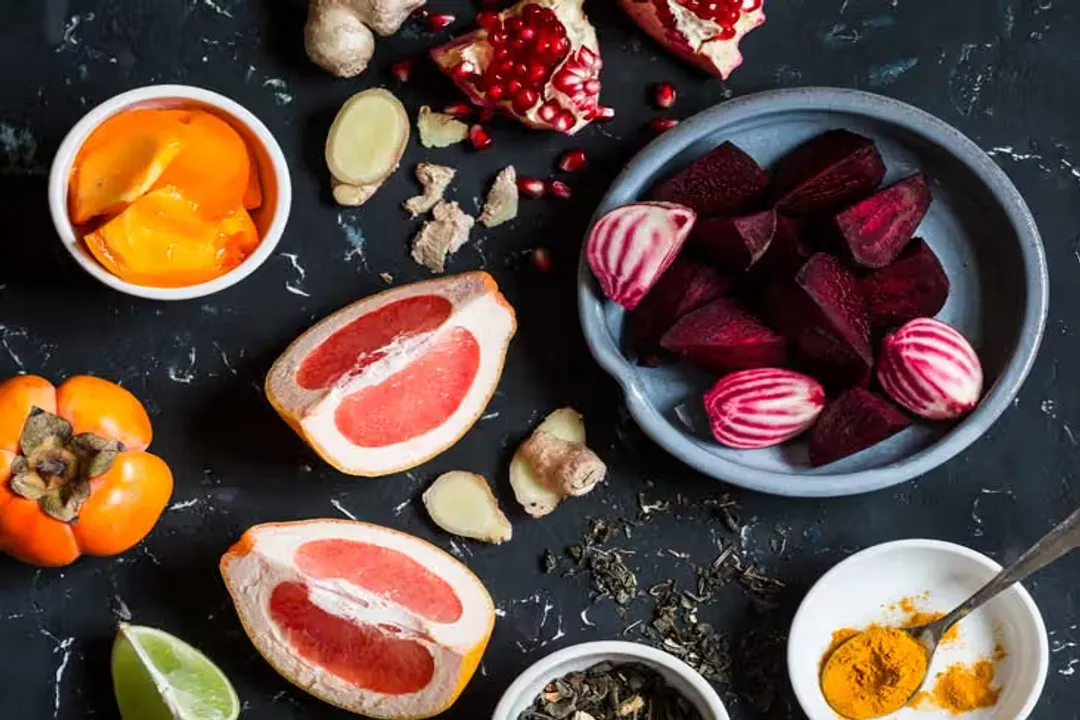
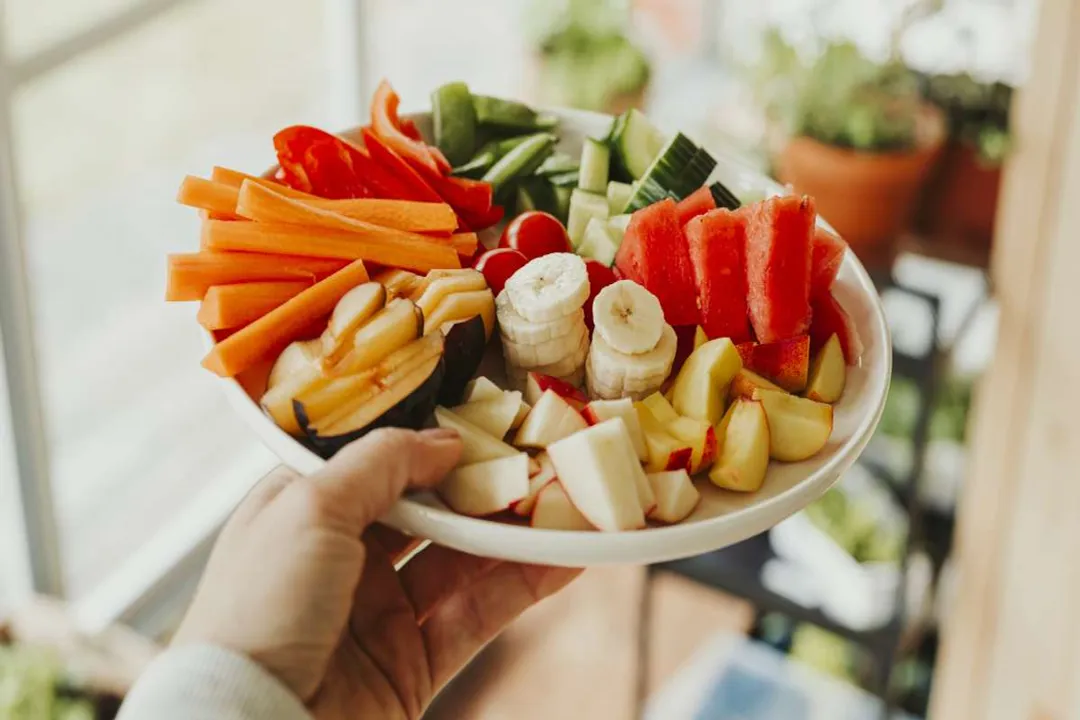
What exactly ends up on a raw foodist’s plate? The diet is overwhelmingly plant-based, focusing heavily on fresh produce. [3][8] Staples include a wide variety of fruits and vegetables, often eaten whole, juiced, or blended. [8] Nuts and seeds are crucial components, providing essential fats and protein, though they are usually eaten raw or soaked rather than roasted. [3][2] Whole grains and legumes are also incorporated, but only after being sprouted, as sprouting increases digestibility and nutrient availability while keeping the temperature low. [2][10]
Other significant raw food groups include:
- Legumes and Grains: Soaked or sprouted beans, seeds, and grains. [2]
- Fermented Foods: Items like sauerkraut, kimchi, and kefir, which undergo microbial action rather than heat processing, are often included. [8]
- Fats and Oils: Unrefined, cold-pressed oils, avocados, and nuts. [3]
- Sweeteners: Natural sweeteners such as raw honey or maple syrup are occasionally used, though some very strict adherents avoid all refined or concentrated sugars. [2][5]
While the diet is overwhelmingly plant-based, it is not exclusively so. Some variations, often termed "raw omnivore" or "raw paleo," include raw fish (like sushi), raw unpasteurized dairy, or raw eggs. [2][7] However, the most common form adopted by the general public leans heavily toward raw veganism. [1][2]
# Preparation Methods
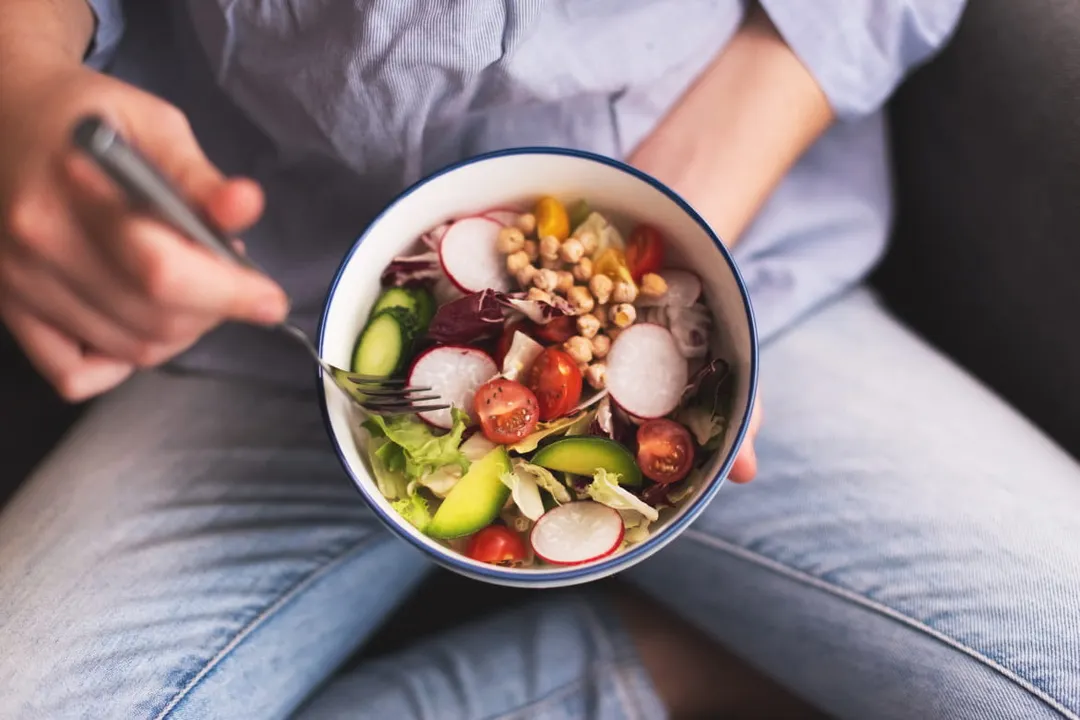
If heat is forbidden, how are complex meals created? Raw foodists employ several ingenious preparation techniques that mimic cooking processes without crossing the temperature barrier. [5]
Dehydration is perhaps the most popular method for creating texture and preserving food long-term. [5] Specialized dehydrators, which operate at low temperatures (below 118°F), are used to dry fruits into leathers, create crackers from vegetable purees, or even make "raw breads". [5][2] This process removes moisture, concentrating flavors and achieving textures unattainable by simply eating the fresh ingredients alone. [5]
Other common methods include:
- Blending and Juicing: High-powered blenders are used to create creamy soups, smoothies, nut milks, and smooth sauces, often serving as the base for dressings or raw desserts. [8]
- Soaking and Sprouting: This activates dormant enzymes in nuts, seeds, grains, and legumes, making them easier to digest and improving their nutritional profile. [2][10] For instance, soaking cashews allows them to be blended into a dairy-free cream substitute. [5]
- Fermentation: This process allows beneficial bacteria to break down foods, creating probiotics and complex flavors in items like vegetable ferments. [8]
It is worth noting that while many raw food advocates aim for 75% to 100% raw intake, adopting any significant increase in raw, unprocessed fruits and vegetables can yield health benefits, even if one doesn't adhere to the strictest definitions. [6]
# Perceived Advantages
Advocates for the raw food lifestyle often report several significant health improvements, primarily linked to the high intake of vitamins, minerals, and fiber inherent in this way of eating. [3][6]
One major claim is improved digestive health. Because raw foods contain their natural enzymes, proponents suggest the body doesn't have to expend as much energy producing its own digestive enzymes, leading to less bloating and better overall gut function. [6][8] Furthermore, the high fiber content naturally present in raw fruits and vegetables supports regular bowel movements. [3]
Many people who switch to this diet experience weight loss. [3][1] Since the diet is naturally low in fat (unless relying heavily on nuts/oils) and high in water and fiber, it tends to be very low in calories compared to a standard Western diet. [3] This can lead to a decreased intake of processed sugars and saturated fats. [1]
The preservation of heat-sensitive nutrients is also a key argument. Vitamins like Vitamin C and certain B vitamins are water-soluble and susceptible to degradation when exposed to heat. [6][10] By consuming foods raw, these nutrients are theoretically consumed in their peak state. [6]
For someone looking to transition, a practical first step isn't necessarily eliminating all cooked food, but rather focusing on addition. Try swapping one processed snack daily for a piece of fresh fruit or preparing a large salad as the first meal of the day. Observing the immediate difference in energy levels after consuming something purely raw can often be a powerful motivator that needs no complex scientific backing to be felt personally. [7]

# Potential Drawbacks and Nutritional Gaps
While the focus on whole foods is beneficial, strictly adhering to a raw diet presents several challenges and potential nutritional risks that require careful management. [7][4]
A major concern is the risk of nutrient deficiencies, particularly for those who follow a raw vegan path. [3] Cooking often makes certain nutrients more bioavailable (easier for the body to absorb) than they are raw. For example, the bioavailability of lycopene in tomatoes and beta-carotene in carrots often increases when cooked lightly. [10] Crucially, Vitamin B12 is almost exclusively found in animal products, making supplementation virtually mandatory for raw vegans. [3][7] Similarly, calcium, iron, and Vitamin D may require careful planning or supplementation. [3]
Another significant hurdle is calorie and protein intake. [7] Raw plant foods are voluminous and low in energy density. A person must consume enormous quantities of vegetables, nuts, and seeds to meet daily caloric needs, which can lead to chronic fatigue or unintentional weight loss if not managed properly. [7] Furthermore, while nuts and seeds contain protein, achieving adequate intake without relying on cooked protein powders or large quantities of nuts requires diligent tracking. [3]
Socially and practically, the diet can be isolating. [7] Eating out becomes difficult, and preparing meals often takes substantially more time than simply heating up leftovers or using pre-packaged items. [7] For instance, preparing a raw zucchini pasta dish might involve spiralizing, soaking cashews for sauce, and chopping numerous vegetables, taking much longer than boiling standard pasta. [5]
# Examining Health Claims
Raw foodism has frequently been promoted as a powerful preventative measure against chronic diseases, including cancer. [4] The idea is that the increased intake of antioxidants and phytochemicals, combined with the supposed preservation of active enzymes, creates an internal environment inhospitable to disease. [4][6]
However, scientific validation for these broad claims remains limited. Major health organizations note that while a diet rich in raw produce is undoubtedly healthy, there is no conclusive evidence demonstrating that a raw food diet prevents cancer or cures existing diseases better than a diet that includes some cooked, nutrient-dense vegetables. [4][9]
In fact, some sources suggest that cooking improves the health profile of certain foods. [10] For example, while Vitamin C is lost, cooking can deactivate certain naturally occurring anti-nutrients found in legumes and grains, making their minerals more accessible. [10] This highlights a key area where a rigid 100% raw approach might be counterproductive; it rejects beneficial cooking processes alongside detrimental ones.
# Practical Navigation
For someone intrigued by the health benefits but daunted by the strictness, a phased approach often works best. Many practitioners recommend starting by incorporating more raw foods into existing meals rather than attempting a complete overnight overhaul. [7]
A structured approach could look like this:
| Meal | Raw Focus Strategy |
|---|---|
| Breakfast | Switch to a large smoothie with greens, or fruit with soaked nuts/seeds. |
| Lunch | Prioritize large, vegetable-heavy salads with homemade raw dressings (e.g., avocado or nut-based). |
| Dinner | Replace one cooked side dish with a raw alternative (e.g., raw slaw instead of cooked cabbage, or zucchini noodles instead of wheat pasta). |
| Snacks | Replace chips/crackers with raw vegetables, fruit, or homemade raw vegetable crackers made via dehydration. [5] |
It is also critical to understand food safety, especially if consuming raw animal products, which carries risks like Salmonella or E. coli contamination. [1] For those sticking strictly to plant-based raw foods, the primary safety concern shifts to ensuring adequate intake of fat-soluble vitamins (A, D, E, K), which require some fat for absorption—thus stressing the importance of incorporating avocados, nuts, and seeds. [3]
When preparing raw foods at home, especially during sprouting, attention to hygiene is paramount. Since no heat treatment is applied, any surface bacteria or molds present at the beginning of the process can multiply rapidly during soaking or sprouting, making clean preparation surfaces and rinsing procedures non-negotiable. [10]
# Lifestyle Adaptation
The commitment to raw foodism often necessitates a shift in mindset toward food preparation itself. Instead of seeing cooking as a time-saver, adherents view preparation—soaking, sprouting, dehydrating—as an intentional, mindful activity. [5] This shift can sometimes replace the ritual of cooking with the ritual of preparation, tying the person more closely to their ingredients. [6]
Thinking about local sourcing also adds an interesting layer. In climates where fresh, high-quality produce is available year-round, maintaining a high raw intake is easier and often more affordable. Conversely, in regions with harsh winters, relying solely on imported or stored produce can compromise the "freshness" ideal that raw foodists prioritize, potentially making carefully steamed seasonal vegetables a nutritionally superior choice that week. [1] This regional context often dictates adherence level more than philosophical purity.
Ultimately, understanding "raw food" means grasping its definition—food untouched by significant heat—and appreciating the spectrum of its practice, from moderate inclusion of whole, fresh produce to a 100% uncooked lifestyle. It is a philosophy centered on nutrient density and minimal alteration, whether one chooses to follow it partially or completely. [2][8]
Related Questions
#Citations
What is the raw food diet? - UCLA Health
Raw foodism - Wikipedia
The Raw Food Diet: A Beginner's Guide and Review - Healthline
The raw food diet: Does it prevent cancer? - Nebraska Medicine
What is Raw Food?
What is the raw food diet? - BBC Good Food
What to Know Before Trying a Raw Food Diet - Banner Health
The raw food diet: Types, benefits, and risks - Medical News Today
What is the raw food diet? - YouTube
FSHN20-45/FS404: Popular Diets: Raw Foods - UF/IFAS EDIS