What is food storing?
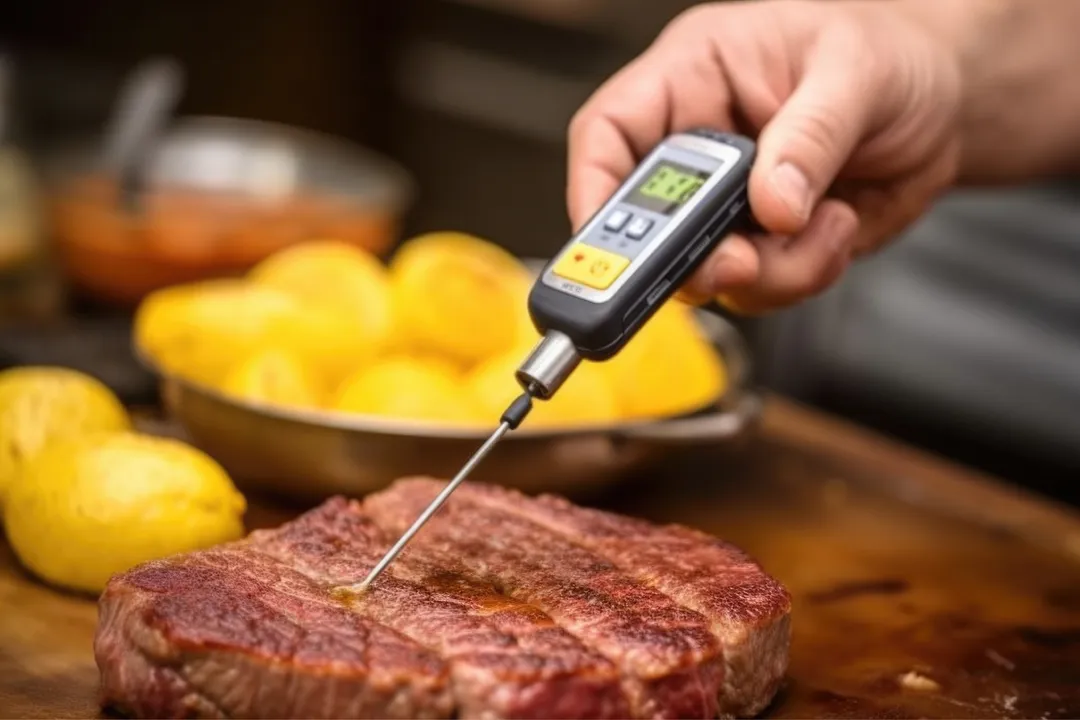
Food storing encompasses the various techniques and practices used to preserve edible items, ensuring they remain safe and retain their desirable qualities for consumption at a later time. [1][5] At its most fundamental level, it is about managing the natural processes of decay and spoilage, which are caused by factors like microbial growth, enzymatic activity, and oxidation. [3] This practice stretches across a spectrum, from simple short-term refrigeration designed to keep fresh produce viable for a few days, to complex, long-term preservation methods aimed at creating a supply intended to last for years. [4][7]
The goals behind proper food storage are multi-faceted. Primarily, it serves the immediate necessity of safety, preventing the growth of pathogens that cause foodborne illness. [6][9] Secondly, storage aims to maintain the nutritional value, flavor, texture, and appearance of the food item for as long as possible. [3][5] When considering emergency preparedness or self-reliance, food storage becomes a strategic act, ensuring a stable supply of calories and nutrients when normal market access might be interrupted. [4][7] This readiness aspect often involves storing foods that have extended shelf lives, such as dried goods or home-canned items. [2]
# Preservation Methods
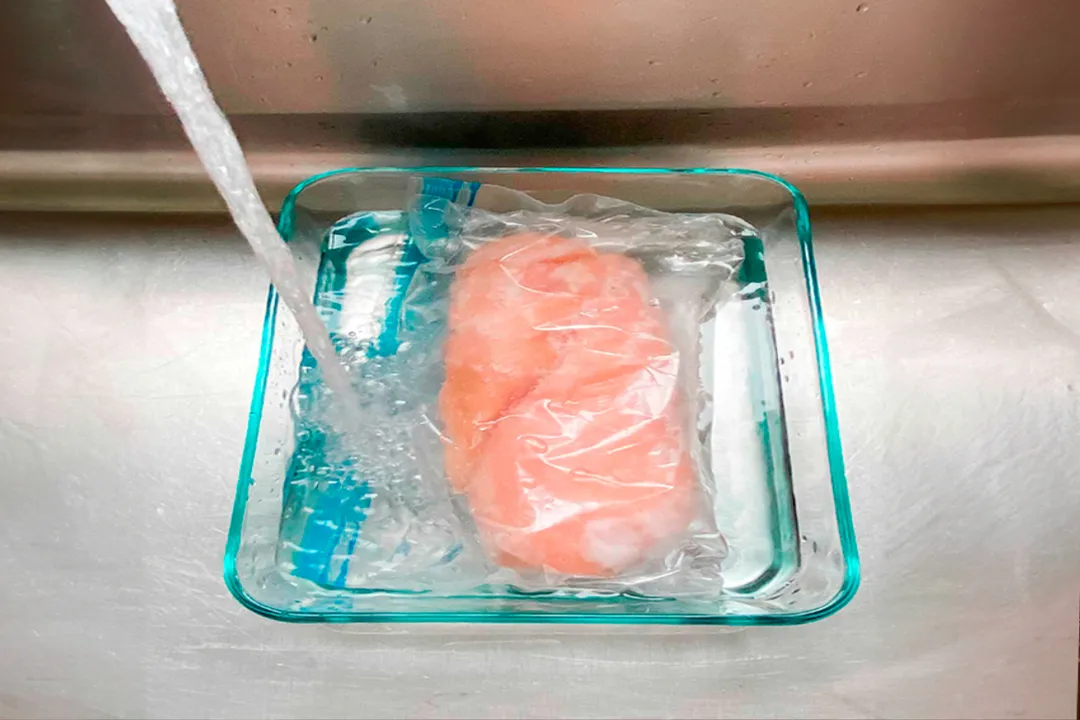
The science of food preservation relies on controlling or eliminating the environmental factors that encourage spoilage. Different food types respond best to different preservation techniques, each involving a trade-off between shelf life, convenience, and quality retention. [3][5]
# Temperature Control
Manipulating temperature is perhaps the most common and immediate form of food storage employed daily. Refrigeration and freezing slow down microbial activity and chemical reactions significantly. [3][8]
Refrigeration, typically kept around or below 40°F (4°C), is ideal for short-term preservation of most perishable items like dairy, meats, and many fruits and vegetables. [6][9] However, refrigeration only delays spoilage; it does not stop it entirely. [8]
Freezing involves dropping the temperature well below the freezing point of water, usually to 0°F (-18°C) or lower. [5][9] This halts the growth of microorganisms and greatly reduces enzymatic activity. [3] For best quality, foods should be frozen rapidly and stored in airtight, moisture-proof packaging to prevent freezer burn, which is essentially dehydration on the food's surface. [9] When freezing produce, blanching—briefly scalding in boiling water—is often required to inactivate enzymes that would otherwise degrade quality over months of storage. [2][9]
# Moisture Reduction
Removing water is another highly effective preservation strategy because microorganisms require water to thrive. [3][5]
Dehydration, or drying, has been used for millennia. It can be achieved through sun drying, air drying, or using specialized dehydrators. [5] Modern methods often focus on controlled environments to ensure consistent results. [2] Dried foods, such as grains, beans, and jerky, become lightweight and require very little storage space relative to their caloric value, making them excellent for long-term reserves. [4][7]
Freeze-drying represents a high-end variant where food is frozen and then placed under a vacuum, allowing the ice to sublimate directly into vapor, skipping the liquid phase. [1] This method generally preserves the structure and nutrients of the food better than simple air drying, although it is more energy-intensive. [1]
# Barrier Techniques
Creating a barrier against air, light, or microorganisms constitutes another major category of food storage.
Canning, both commercially and through home methods, involves sealing food in jars or cans and then heating them to a temperature sufficient to destroy molds, yeasts, and bacteria, and to inactivate enzymes. [2] This process creates a vacuum seal as the container cools, preventing recontamination. [2] There are two main heat treatments: boiling water bath canning, suitable for high-acid foods like jams and fruits, and pressure canning, which is mandatory for low-acid foods such as vegetables and meats to reach temperatures high enough to destroy Clostridium botulinum spores. [2][10] Understanding the difference between these two methods is critical, as improper pressure canning of low-acid foods presents a severe, life-threatening risk. [2]
Exclusion of oxygen is also vital for preventing oxidative rancidity in fats and degradation of vitamins. [3] Vacuum sealing removes air from the packaging, extending the life of items like coffee, nuts, and dried ingredients intended for pantry storage. [8]
# Pantry Storing Principles

The area designated for dry goods storage—the pantry, cellar, or dedicated storage room—must adhere to specific environmental controls to maximize the shelf life of items like flour, sugar, canned goods, and dehydrated foods. [5]
The ideal storage environment is consistently cool, dark, and dry. [4][5][10] Temperature is the most significant factor affecting the longevity of pantry items. While a cool room might be considered anything below 70°F (21°C), storing staples like white flour, white rice, and shelf-stable canned goods below 50°F (10°C) can dramatically extend their quality retention, sometimes doubling their viable shelf life compared to storage at room temperature. [4][10] If a dedicated root cellar is unavailable, storing supplies in the coolest part of the home, often the basement or an interior closet, is the next best strategy.
Light, particularly sunlight, accelerates the degradation of nutrients, especially vitamins, and can cause fats to turn rancid. [3][10] For example, storing cooking oils in clear glass containers on a bright countertop will significantly reduce their usable lifespan compared to storing them in dark, opaque containers in a cupboard.
Humidity is the enemy of dried goods. Moisture encourages mold growth and can cause clumping or spoilage even in sealed containers. [5] Packaging should always be moisture-resistant, and in very humid climates, using oxygen absorbers alongside airtight containers for items like dried beans or grains provides an extra layer of protection against both spoilage and insect infestation. [4]
# Inventory Management
Effective long-term storage isn't just about putting food away; it's about managing what you have put away. Employing the First In, First Out (FIFO) principle is essential. [5] This means that the oldest stock must be used first, necessitating clear dating and rotation practices. [7] A simple, yet often overlooked, step is creating a corresponding inventory list taped to the outside of the storage container or box. This allows residents to see what they have without opening and potentially contaminating sealed bulk supplies, speeding up rotation efforts significantly.
A further consideration for managing these supplies involves recognizing the difference between "Best By" and "Use By" dates. Many commercially canned and packaged goods remain perfectly safe to consume well past their printed "Best By" dates, provided the seal is intact and there are no signs of spoilage like bulging, leaking, or off-odors. [6] For items stored for emergency preparedness, however, it is prudent to rotate them into the regular kitchen rotation before these dates pass to ensure maximum perceived quality for the family.
# Food Types and Specifics
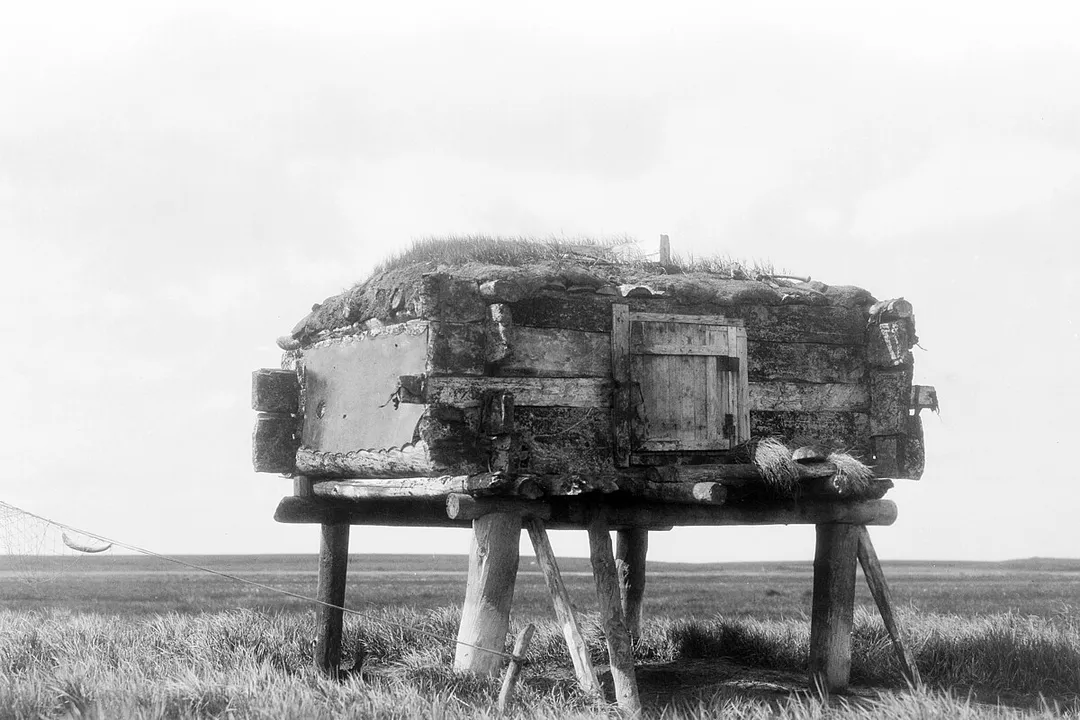
Different food categories demand tailored storage solutions to maintain safety and efficacy.
# Grains and Legumes
Staples like wheat, rice, corn, beans, and lentils form the backbone of many long-term food supplies because they store well when properly processed and packaged. [4][7] The key to their longevity is extremely low moisture content and protection from pests. [5] For maximum shelf life—potentially 20 to 30 years—these items must be stored in airtight, rodent-proof containers, often utilizing the addition of oxygen absorbers to keep oxygen levels extremely low. [4] Storing wheat berries whole is far superior to storing them as flour, as the protective bran layer shields the germ and prevents early rancidity.
# Canned and Packaged Goods
Commercially canned goods are designed for long shelf life, typically lasting two to five years or more under ideal cool, dark conditions. [10] Their safety hinges entirely on the integrity of the can seal. Any dent, rust spot, or bulge requires immediate discarding of the contents, as this suggests a compromised seal and potential for dangerous bacterial contamination. [6]
# Produce Freshness
When dealing with fresh produce, the storage method focuses on slowing down respiration and moisture loss. Apples, potatoes, and root vegetables generally prefer cool, dark, and humid conditions, which is why root cellars were historically effective. [5] Conversely, items like tomatoes and tropical fruits suffer chilling injury in the refrigerator and are best kept at cool room temperature, away from direct light. Understanding which produce benefits from humidity (like carrots) and which requires airflow (like onions) prevents premature molding or shriveling, a practical distinction often lost when everything is simply consolidated into the crisper drawer.
# Safety and Spoilage Identification
Food storage is inextricably linked to food safety. Failure to adhere to correct preservation or storage parameters can result in foodborne illness, which can range from mild discomfort to severe, life-threatening conditions. [6][9]
# The Danger Zone
A crucial concept in preventing microbial proliferation is understanding the Temperature Danger Zone (TDZ). For perishable foods, this zone typically spans from 40°F to 140°F (4°C to 60°C). [6][10] Within this temperature range, bacteria multiply most rapidly. [6] Perishable foods—like leftovers, dairy, or cooked meats—should never be left in the TDZ for more than two hours, or one hour if the ambient temperature is above 90°F (32°C). [6][10] This rule applies to cooling cooked food for storage as much as it applies to reheating it.
# Assessing Quality
Even when preserved correctly, food quality degrades over time. While commercial dates guide quality, physical inspection remains necessary, particularly for home-canned goods or long-term reserves. [6]
Signs that a food item is spoiled and must be discarded include:
- Any bulging, swelling, or leaking in cans or jars. [6][10]
- Mold growth on the surface of any food item, even if only a small spot is visible (mold penetrates deeply, especially in soft foods). [6]
- Off-odors (sour, rancid, or ammonia-like smells). [6]
- Fuzziness or sliminess on the surface of refrigerated items. [8]
- Cloudiness or spurting when opening a jar of traditionally canned goods. [2]
It is always safer to discard questionable food than to risk illness associated with bacteria like Salmonella, E. coli, or Clostridium perfringens. [6]
# Advanced Considerations
Modern food storage often incorporates technology to improve shelf life and reduce waste, directly tackling the issue of perishable food spoilage. [8]
# Water Activity and Preservation
The scientific measure often used to determine the preservation potential of a food is its water activity (), which is related to, but distinct from, simple moisture content. [3] Preservation methods like drying, curing, or adding sugar/salt reduce the water activity to levels where microbes cannot grow. [3] For example, drying grains to an below $0.6$ makes them extremely stable for decades under proper conditions. [5] This concept explains why heavy syrup preserves fruit better than plain water, even before heat processing: the sugar binds the available water, lowering the . [3]
# Reducing Food Waste
A significant modern benefit of understanding food storage is the reduction of household food waste. [8] Much of the food thrown away is perfectly edible but was improperly stored, leading to premature spoilage. [8] For instance, storing potatoes and onions separately, as they emit gases that cause the other to spoil faster, is a simple adjustment that extends the life of both items significantly. [5] Similarly, separating ethylene-producing fruits (like bananas and apples) from ethylene-sensitive vegetables (like lettuce and carrots) in the refrigerator prevents rapid yellowing and wilting of the latter group. This level of detail moves food storage from merely a preparation tactic to a daily sustainability practice.
Ultimately, effective food storing integrates basic food science with practical inventory management, regardless of whether the goal is daily waste reduction or multi-year security planning. [7] It demands attention to temperature, atmosphere, and time to ensure the safety and quality of provisions over their intended duration. [1][9]
Related Questions
#Citations
Food storage - Wikipedia
Storing - National Center for Home Food Preservation - UGA
Food Storage Definition - Principles of Food Science Key Term
What is Food Storage? - Provident Living
Home Food Storage | UNL Food | Nebraska
Food Storage and Safety - Hunger Task Force
What is “Food Storage”?
Everything you need to know about storing perishable food
Storing Food for Safety and Quality - OSU Extension Service
Storing Food for Safety and Quality | University of Idaho