Which is a better protein, chicken or fish?

Deciding between chicken and fish as your primary source of protein often comes down to personal preference or a quick glance at a menu, but the nutritional landscape for these two staples is far more nuanced. Both poultry and seafood are highly regarded options for building muscle, supporting satiety, and fitting into a balanced diet, yet they deliver distinct packages of fats and micronutrients that cater to different health goals. [1][7] Understanding what each offers—beyond just the sheer protein number—is key to making the choice that best supports your long-term wellness objectives.
# Protein Density
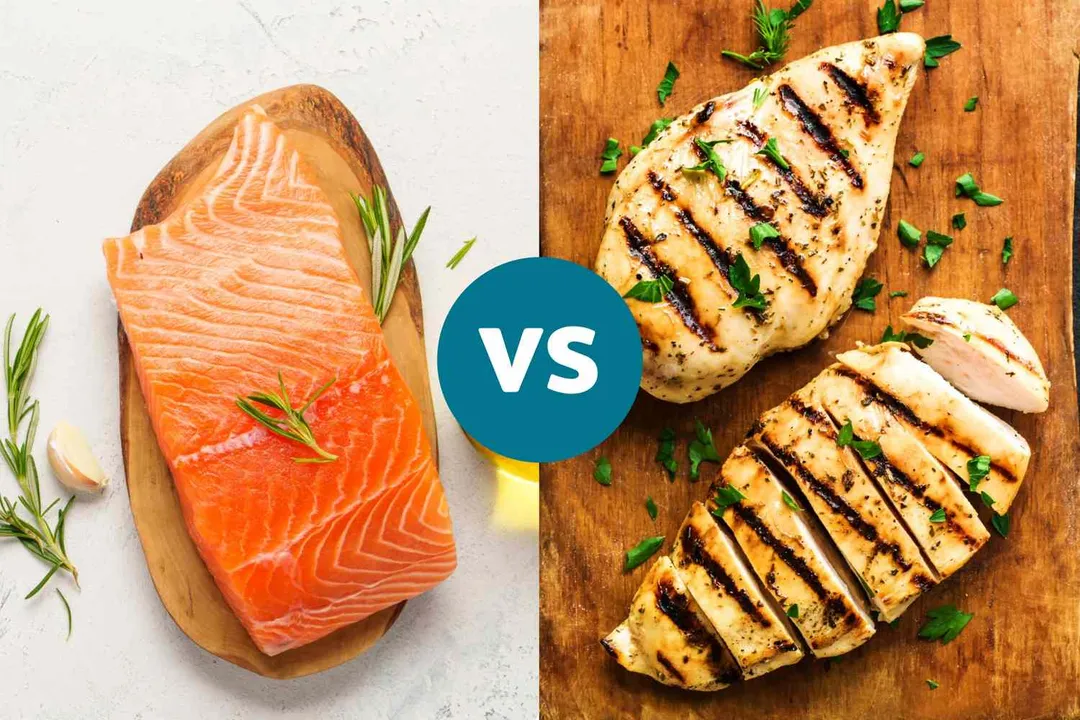
When the conversation centers strictly on maximizing protein per serving, both chicken and fish perform admirably, though preparation matters significantly. [1][7] A common benchmark is the skinless chicken breast, frequently touted for its minimal fat and high protein content, often serving as the gold standard for pure lean muscle fuel. [1] However, fish can easily match or slightly exceed this density, depending on the specific variety. [3]
For instance, lean white fish often clocks in with comparable macronutrient profiles to chicken breast. [3] The variation within fish types is broad; a piece of cod or tilapia will present a different profile than a richer fish like salmon. [8] When looking for foods that are nearly pure protein, both lean chicken and many types of fish are top contenders. [5] If your sole focus is hitting a daily protein target with the fewest extraneous calories, you should always weigh the specific cut or species. For example, a cooked 3-ounce portion of salmon might contain around 19 grams of protein, while a similar portion of chicken breast holds around 26 grams, showing the slight advantage lean poultry often holds in pure protein concentration when comparing the leanest cuts of each. [1][8]
# Fat Profiles

This is where the real divergence occurs between chicken and fish. Chicken is generally recognized for its lower overall fat content, especially when choosing white meat over dark meat or removing the skin. [1] It offers a relatively neutral fat profile, which is beneficial if you need to strictly control total fat intake for caloric reasons.
Fish, particularly the fatty varieties, offers an entirely different benefit: essential fatty acids. [1] Salmon, for example, is celebrated for its substantial amounts of omega-3 fatty acids, specifically eicosapentaenoic acid (EPA) and docosahexaenoic acid (DHA). [8] These are polyunsaturated fats that the body cannot efficiently produce on its own and are vital for cardiovascular health, reducing inflammation, and supporting brain function. [1][8] If you consume chicken exclusively, you might need to source these critical omega-3s elsewhere, perhaps through flaxseeds, walnuts, or dedicated supplements. [1]
When comparing a skinless chicken breast to a piece of fatty fish like salmon, the salmon will contain significantly more fat overall, but that fat is predominantly the healthy, inflammation-fighting kind. [1][8] Conversely, if you choose a very lean fish like cod, its fat content may align more closely with that of a skinless chicken breast, offering high protein with low total fat. [3]
If you are tracking your food expenses and trying to budget for optimal nutrition, it is worth noting that the added benefit of fish omega-3s might save you money on separate supplements. However, if you purchase a budget-friendly, lean white fish—which is often less expensive than salmon—you are getting a lean protein source very similar to chicken, just with slightly different trace minerals. If you compare the cost of a pound of chicken breast versus a pound of fresh, high-quality salmon, the salmon's price premium reflects the added value of those omega-3s; think of it as buying two nutrients for the price of one, even if the per-gram protein count might be slightly lower than the chicken. [1]

# Unique Benefits
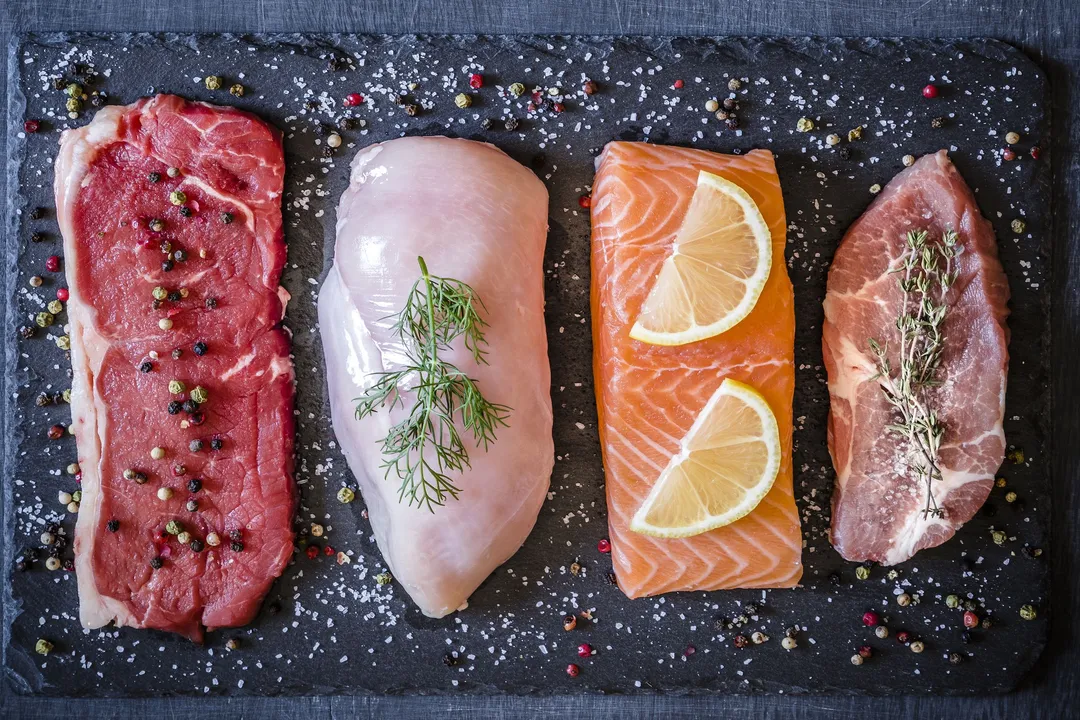
Beyond macronutrients, the specific micronutrient profiles give both options unique health advantages. [1] Chicken is a solid source of B vitamins, which are essential for energy metabolism, and it provides good amounts of selenium and phosphorus. [1] These minerals play supporting roles in bone health and thyroid function.
Fish, however, brings vitamins that are harder to obtain elsewhere in a standard diet. Fatty fish like salmon are among the few natural food sources that provide significant amounts of Vitamin D. [8] Furthermore, fish consumption is strongly associated with benefits for heart health, which is a key reason why many dietary guidelines recommend prioritizing fish over other meats, including poultry and certainly red meat. [2][8] Some sources even position fish as the superior choice when looking at overall longevity markers associated with diet. [4]
It is interesting to observe how context changes the perceived winner. If someone is recovering from strenuous activity and needs high-quality amino acids for muscle repair, the slightly higher complete protein load in lean chicken might be momentarily prioritized. [7] But for someone managing existing cardiovascular risk factors, the consistent intake of DHA and EPA from fish becomes the scientifically compelling recommendation. [8]
# Preparation Matters
The method of cooking profoundly impacts the final nutritional value of both chicken and fish, overriding subtle differences in raw composition. [1] Frying chicken or fish, for instance, adds substantial, often unhealthy, fats and calories, negating the lean advantages of the underlying protein. [1]
For both options, the best methods involve grilling, baking, steaming, or broiling. [1] When you bake a piece of chicken or fish, the nutrients are largely retained, and the added fat is minimal—perhaps just a drizzle of olive oil for flavor and moisture. [1] This is a practical point for anyone aiming for fitness or weight management: a poorly prepared piece of fish can quickly become less healthy than a perfectly grilled chicken breast. [7]
When thinking about flavor delivery, fish often requires less manipulation than chicken to taste excellent. A squeeze of lemon and some fresh herbs suffice for many fish fillets, whereas chicken, being naturally milder, often benefits from marinades or breading, which again introduces external components to consider. [1]

# Choosing Sides
Ultimately, labeling one as definitively "better" than the other is an oversimplification because optimal nutrition involves variety and meeting diverse needs. [1][7] The best strategy isn't to eliminate one but to incorporate both intelligently.
If you are currently eating red meat frequently, swapping half of those meals for either chicken or fish will yield significant health improvements, especially related to saturated fat reduction. [2] If you already eat chicken regularly, aim to substitute a few meals per week with fatty fish to ensure you are getting those crucial omega-3s. [8]
A good rule of thumb for sustainable eating is establishing a rotation: perhaps eating chicken breast on heavy training days when maximum lean protein volume is needed, and dedicating two to three servings a week to fatty fish like salmon or mackerel for cardiovascular maintenance. [7] This approach ensures you benefit from the high B-vitamin content of poultry while capitalizing on the anti-inflammatory properties unique to seafood. [1] Viewing them not as competitors but as complementary parts of a robust dietary plan allows for maximum nutritional gain without sacrificing culinary enjoyment.
Related Questions
#Citations
Chicken vs. Fish: Which Is Healthier? What Science Says - EatingWell
Fish vs Beef vs Chicken; which do you pick? : r/nutrition - Reddit
Fish Vs Chicken: Which Has More Protein? - Yahoo
Choosing the Best Protein: Chicken vs Egg vs Fish - And The Oscar ...
10 Foods That Are Almost Pure Protein - Healthline
Chicken vs Fish: Nutrition Faceoff - YouTube
Protein Power: Is Chicken, Beef or Fish Better for Your Weight Loss ...
Seafood vs Meat: what will give me the most protein?
Salmon vs. Chicken: Which Is the Better Lean Protein?