If a Belgian endive head exhibits significant greening, what does this usually indicate about its growing conditions?
Answer
It received too much light during the forcing stage
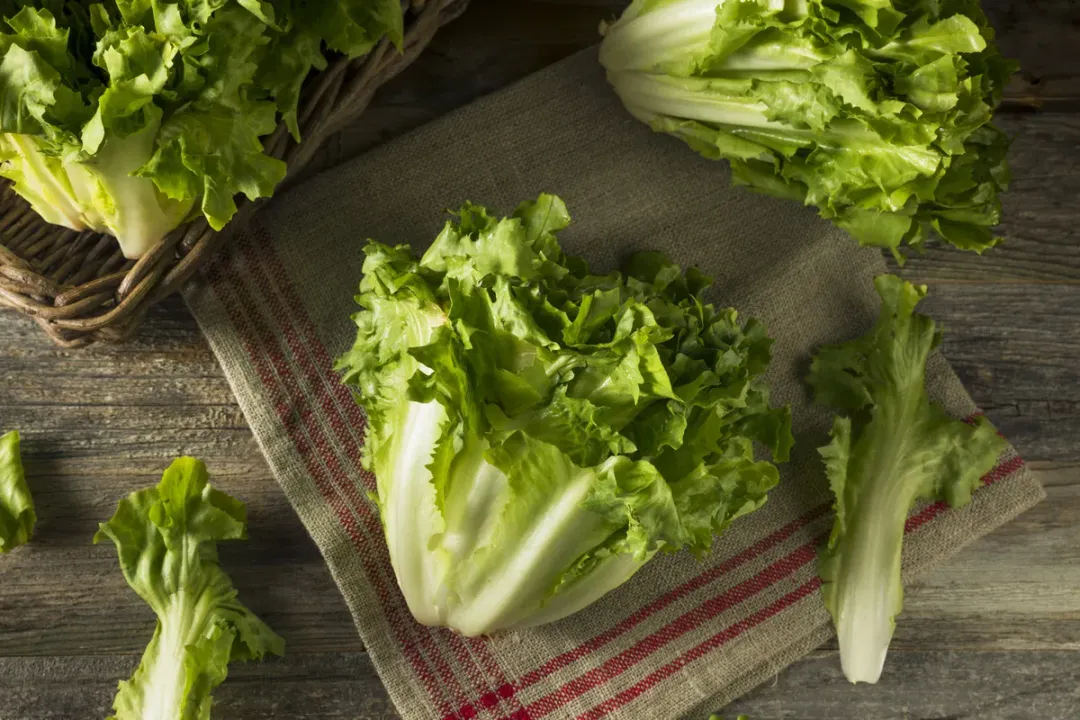
When selecting Belgian endive, the color is a key indicator of proper cultivation and flavor profile. A creamy white to pale yellow hue is desirable. If a head shows significant greening, this signifies that it was exposed to light at some point during the specialized forcing stage. Light exposure triggers chlorophyll production, turning the leaves green. In the context of endive, this deviation also correlates with an increased concentration of the bitter compounds that the forced blanching process is specifically designed to minimize, resulting in a flavor profile potentially more assertive than intended.
Related Questions
What cultivation method creates the white, tightly packed leaves of Belgian endive?Which specific fat-soluble vitamin is endive a particularly good source of, supporting bone health?What type of soluble fiber found in endive functions as a prebiotic to stimulate beneficial colon bacteria?Which two specific flavonoids, known for protective qualities, are mentioned as being rich sources in endive?What mineral, vital for blood pressure management, is present in endive that helps counteract sodium's effects?If a Belgian endive head exhibits significant greening, what does this usually indicate about its growing conditions?What health consideration requires individuals taking Warfarin (Coumadin) to maintain consistent Belgian endive intake?Which cooking method using high, dry heat brings out a sweeter, more caramelized flavor in endive?What texture and flavor pairing adjustment should be made when serving raw endive to palates unaccustomed to its bitterness?What approximate caloric value is cited per 100 grams of Belgian endive, positioning it well for weight management?