Health Benefits of Endive
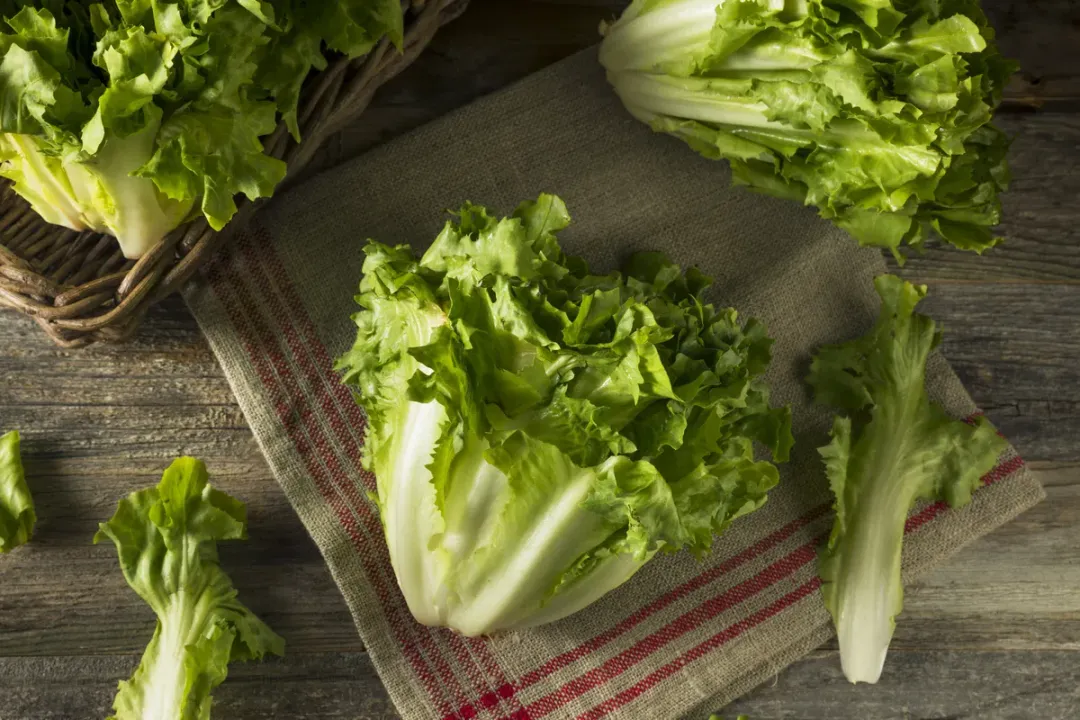
The pale, slightly bitter leaves of endive often appear on sophisticated salad plates, but their appeal runs far deeper than just their crisp texture and unique flavor profile. This vegetable, a member of the chicory family, offers a surprisingly potent package of nutrients that can benefit various aspects of health, from digestion to bone strength. [1][3] Whether you encounter the tight, pale head known as Belgian endive or the frilly, slightly more robust curly endive (sometimes called frisée), understanding what these greens bring to the table is worthwhile. [2][10]
# Chicory Family

Endive is not a single vegetable but rather a common name applied to several cultivars within the Cichorium genus, which also includes radicchio and escarole. [3][10] This relationship means that while there are variations in appearance and taste, they share a common genetic background and similar underlying health properties. [3] The curly endive, often recognized by its lacy, ruffled leaves, is known for having a slightly more assertive, bitter taste compared to its cultivated cousin, the Belgian endive, which is grown in darkness to remain nearly white and maintain a milder flavor. [2][10] When selecting these vegetables, it's helpful to remember that the more yellow or white the leaves are, the less bitter the vegetable tends to be, as light exposure increases the production of bitter compounds. [2]
# Nutrient Density
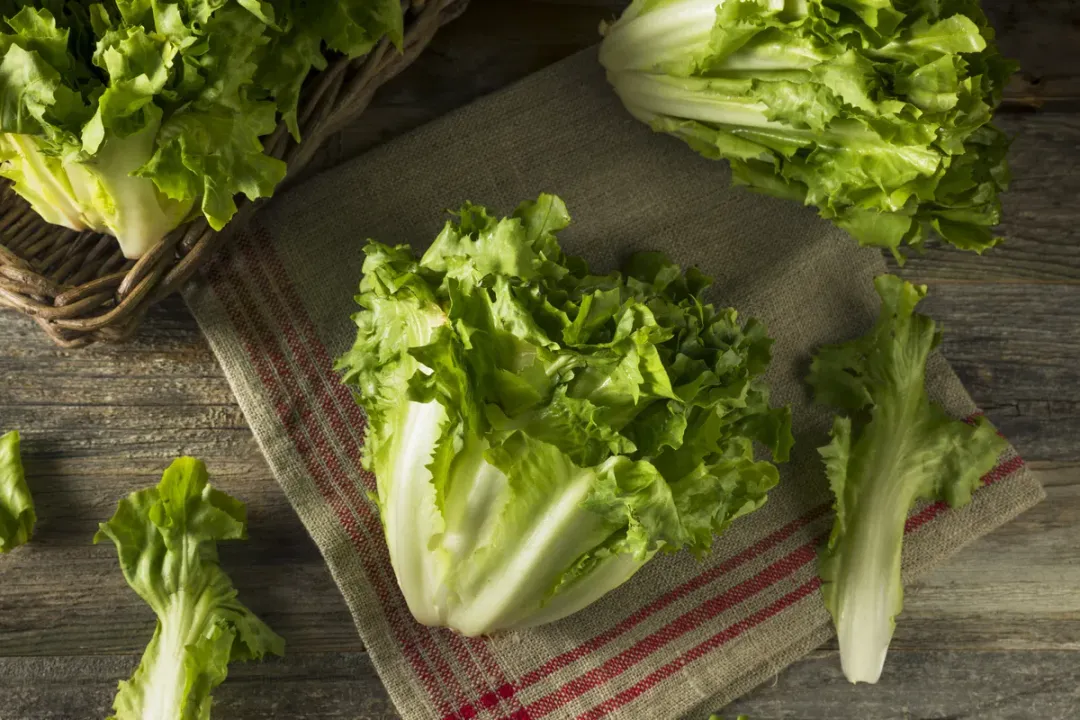
Despite being incredibly low in calories—often fewer than twenty calories per serving—endive packs a significant nutritional punch, making it an excellent addition for those focused on healthy weight management. [1][2][5] While many leafy greens are lauded for their high Vitamin K content, endive stands out, providing substantial amounts of this fat-soluble vitamin essential for blood clotting and bone mineralization. [1] It is also a notable source of Vitamin A, primarily in the form of beta-carotene, which the body converts for use. [1] It’s interesting to note the efficiency here: eating a modest serving provides a considerable boost of Vitamin K relative to the negligible caloric intake, a marker of true nutrient density that sometimes gets overlooked when people focus only on protein or macronutrients. [1] Beyond vitamins, endive supplies essential minerals like potassium, which aids in fluid balance, and folate (Vitamin B9). [1][5]

# Gut Wellness

One of the most celebrated qualities of endive, especially when considering its role in long-term health, is its fiber content, specifically its high concentration of inulin. [4] Inulin is classified as a prebiotic fiber, meaning it is not digested by human enzymes but travels intact to the large intestine where it feeds beneficial gut bacteria. [4] By nourishing these healthy microbes, inulin helps maintain a balanced gut flora, which is critical for overall digestive health and potentially for immune function. [4] This prebiotic action differs slightly from general dietary fiber, which primarily aids in regularity; inulin actively promotes the growth of specific beneficial bacteria populations. [4]
# System Support

The array of vitamins and minerals present in endive translates into several specific benefits for various bodily systems. For cardiovascular health, the presence of potassium works to counter the effects of sodium, helping to maintain healthy blood pressure levels. [1] Furthermore, the vegetable contains antioxidants, compounds that help combat cellular damage caused by free radicals, which supports general well-being and may play a role in reducing inflammation. [1]
The significant levels of Vitamin K directly support the skeletal system. [1] Vitamin K is essential for activating proteins involved in bone matrix formation, helping to ensure calcium is properly incorporated into the bone structure, thus supporting bone density. [1] If eye health is a focus, the beta-carotene content is key, as the body uses this precursor to produce Vitamin A, which is necessary for good vision, especially in low light. [1] Additionally, some traditional uses suggest that the bitter compounds found in chicory vegetables like endive stimulate the production and flow of bile from the liver, which aids in the digestion of fats and supports the body's natural detoxification processes. [4]

# Kitchen Uses
The slightly astringent or bitter edge of endive is what gives it character, but this flavor profile sometimes deters casual eaters. [4] The good news is that endive is remarkably versatile and can be enjoyed both raw and cooked. [7] When raw, the crispness of the leaves makes them an excellent substitute for crackers or bread in light appetizers, or they can be chopped finely into salads for texture. [7] If you find the bitterness too sharp when eating it fresh, a simple trick is to pair it with ingredients that balance or mask that sharpness; for instance, use a creamy, slightly sweet dressing made with yogurt or avocado, or toss it with fruit like thinly sliced orange segments or pears. [4] Cooking endive, such as braising or grilling, mellows the bitterness considerably, bringing out a more subtle, sweet flavor. [7] When cooking, it is best to use the Belgian variety as it holds its shape well, whereas the more delicate frisée is better suited for raw preparations. [7] If you plan to store it, keep Belgian endives wrapped in a damp paper towel in the crisper drawer to maintain their freshness and crispness. [7]
# Digestive Comparison
When looking at endive versus other common greens, it is helpful to see where it stands. For instance, while spinach and kale are higher in iron and Vitamin C, endive often surpasses them in its Vitamin K contribution per serving. [1] Furthermore, the high inulin content sets it apart from many other vegetables, which might be higher in different types of fiber but lack this specific prebiotic benefit. [4] Understanding these differences allows you to build a more varied diet, ensuring you hit the necessary spectrum of nutrients rather than relying on just one or two staple greens. For example, pairing a raw endive salad (for Vitamin K and inulin) with a cooked serving of kale (for Vitamin C and iron) achieves a broader nutrient capture in a single meal setting.
Related Questions
#Citations
Endive: 10 Health Benefits, Nutrition & How to Eat (w/ Recipes)
[PDF] Health Benefits of Curly Endive
What Is Endive Good For? Benefits, Nutrition, Recipes - Dr. Axe
Endive Benefits (Ayurveda Insights) - Joyful Belly
Endive: Uses, Nutrition, Health Benefits And Side ... - Netmeds
Why You'll Want to Eat More Endive — Plus the Chef Secret That ...
How to Use Endive: Easy Recipes, Cooking Tips & Health Benefits
HEALTH BENEFITS OF ENDIVE The curly endive, also ... - Facebook
What Is Endive? - The Joint Chiropractic
Escarole and Endive: Nutritious Leafy Vegetables with High ...