What happens to endive leaves when exposed to light, affecting their taste?
Answer
Light exposure increases the production of bitter compounds
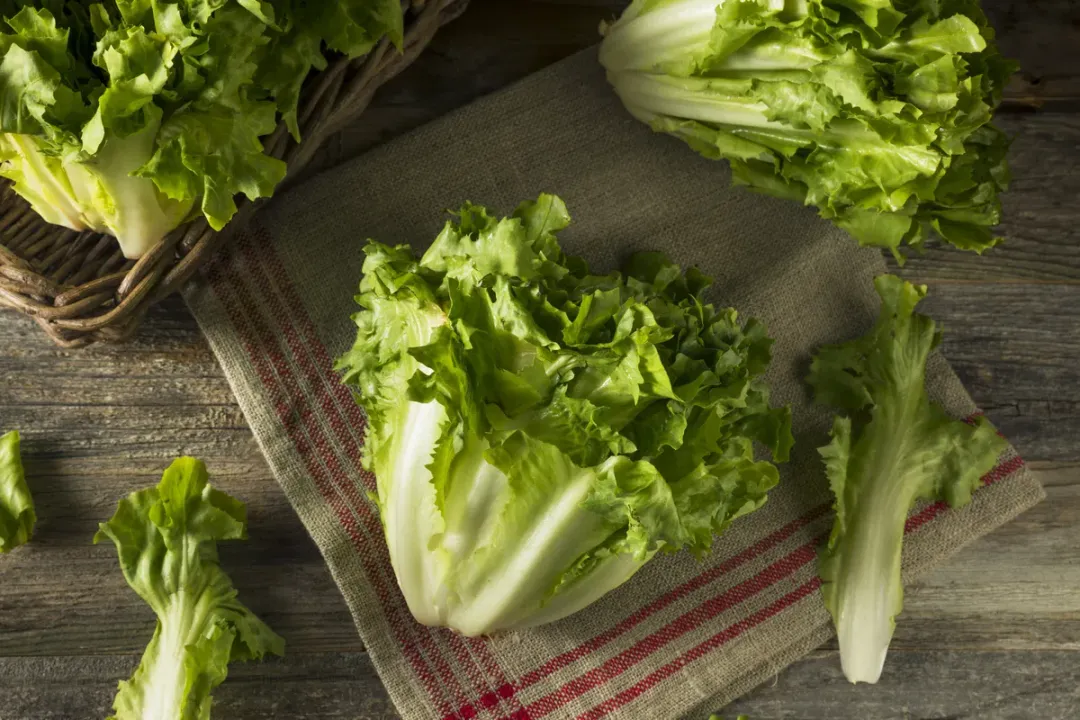
The intensity of bitterness in endive is directly linked to the amount of light the leaves receive during growth. When endive is exposed to light, the process leads to an increased synthesis of bitter compounds within the vegetable tissue. This is why the Belgian variety is intentionally kept pale by growing it in the dark, resulting in a milder flavor. Conversely, leaves that are more yellow or white indicate less light exposure and therefore possess a less assertive bitterness when consumed.
Related Questions
To which genus does endive belong, alongside radicchio and escarole?What cultivation technique keeps the Belgian endive tight and nearly white?What key digestive component in endive is classified as a prebiotic fiber?Which nutrient in endive counters the effects of sodium to support cardiovascular health?What happens to endive leaves when exposed to light, affecting their taste?What is the primary use of beta-carotene found in endive for the body?Which endive variety is recommended for cooking methods like braising or grilling because it maintains structure?How do the bitter compounds in chicory vegetables like endive traditionally aid digestion?When choosing between endive, spinach, and kale, where does endive typically excel in nutrient comparison?What is an effective strategy for masking the sharpness of raw endive when eating it fresh?