Health Benefits of Belgian Endive
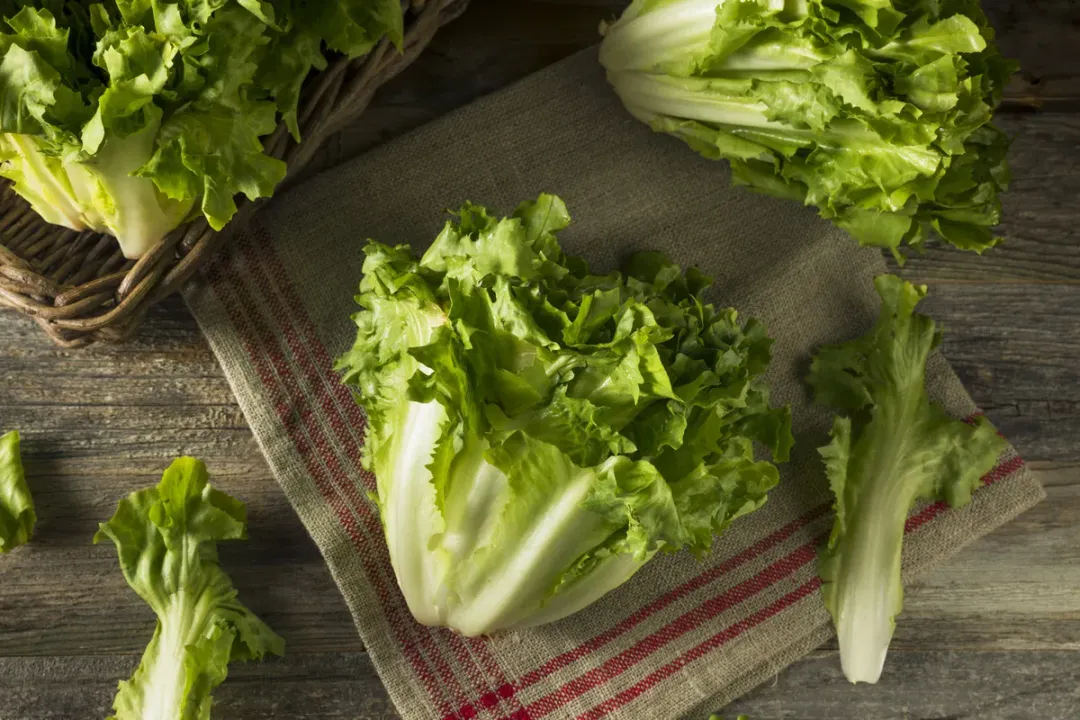
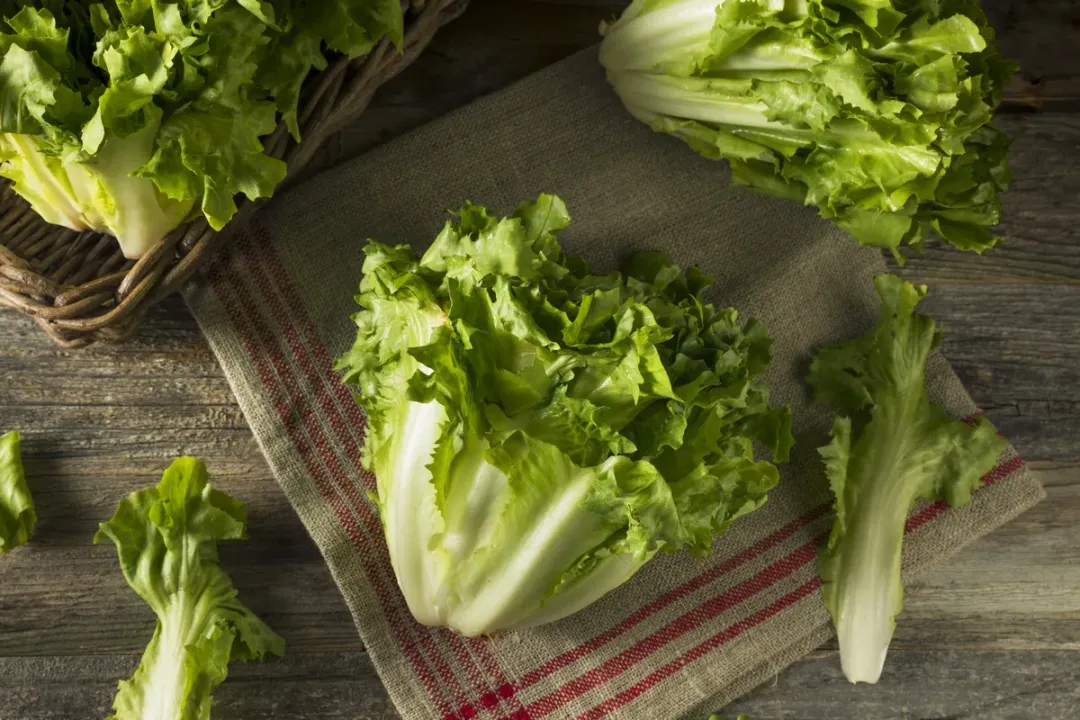
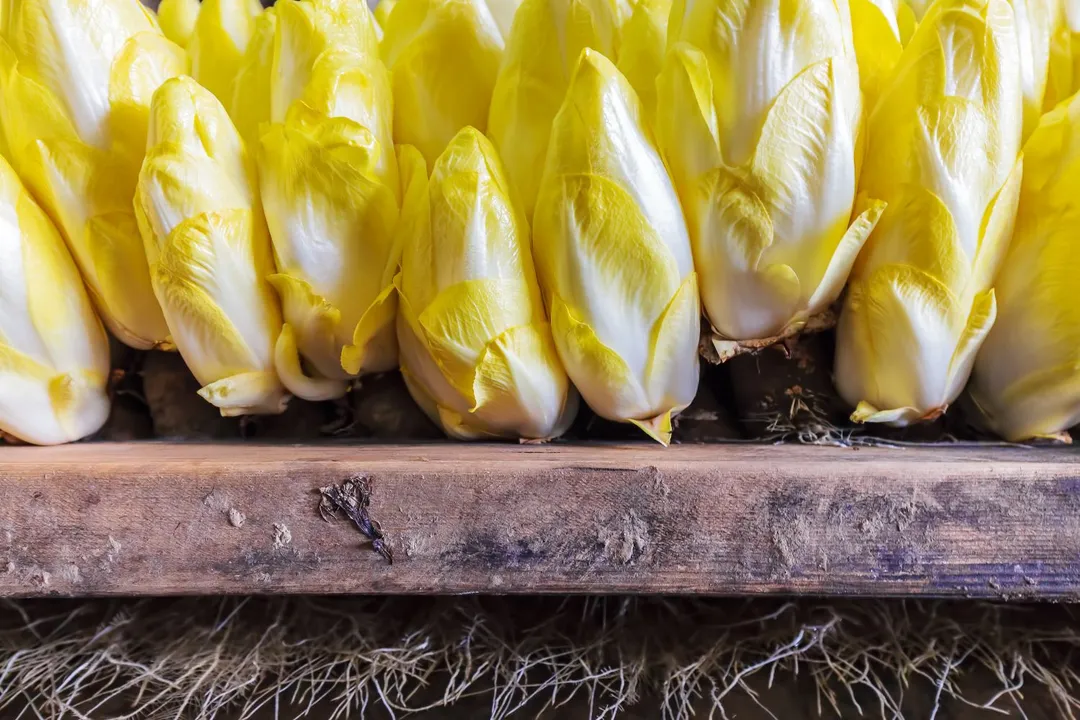
Belgian endive, often mistaken for a small, pale head of lettuce, is actually a member of the chicory family, cultivated specifically to produce those tightly packed, crisp white leaves. [1][3] Its distinctive flavor—a pleasant, slightly bitter crunch—makes it a standout vegetable, especially when many other greens begin to wane in popularity during colder months. [6] The process that creates this unique vegetable is fascinating; it's essentially a forced blanching process where roots are grown, then stored in the dark to sprout the pale, tender heads we see in stores. [3] This cultivation method, which denies the leaves light, is why they remain white or very pale yellow instead of turning green and developing the bitter compounds found in full sun exposure. [3] What makes this vegetable worth seeking out isn't just its texture or intriguing appearance, but the collection of nutrients packed inside those compact leaves. [4]
# Nutrient Profile

When considering vegetables for daily nutrition, people often look for high concentrations of vitamins and minerals, and endive delivers a respectable profile despite its low-calorie count. [2][4] Being comprised mostly of water, it is extremely low in calories, often cited as having around 13 calories per 100 grams, which positions it well for weight management plans. [2][4]
# Key Vitamins
Among its micronutrient offerings, endive is a particularly good source of Vitamin K. [4][9] This fat-soluble vitamin is crucial for several bodily functions, most notably its role in blood clotting mechanisms and bone health. [4][9] In a standard serving, endive can provide a significant percentage of the recommended daily intake for Vitamin K. [9] Beyond that, it supplies notable amounts of Vitamin A, primarily in the form of carotenoids, which support vision and immune function. [4][9] Folate, a B-vitamin essential for cell division and DNA synthesis, is also present in meaningful quantities. [2][4]
# Mineral Content
The mineral composition of Belgian endive includes essential electrolytes and trace elements. [9] It offers a good amount of potassium, a mineral vital for maintaining healthy blood pressure levels by counteracting the effects of sodium. [4][9] Manganese is another mineral found within endive that contributes to metabolic processes. [4] While it is not a powerhouse source for every single mineral, its overall contribution across several key areas makes it a valuable addition to a balanced diet. [9]
# Digestive Support
One of the most straightforward and consistently cited benefits of consuming Belgian endive relates to digestive wellness, primarily due to its fiber content. [1][4] Dietary fiber is essential for promoting regular bowel movements and preventing constipation. [4]
# Prebiotic Power
Endive contains inulin, a type of soluble fiber that functions as a prebiotic. [1][4] Prebiotics are non-digestible food components that selectively stimulate the growth and/or activity of beneficial bacteria residing in the colon. [1] This feeding of the good gut bacteria—the microbiota—is fundamental to overall gut health. [4] A thriving population of beneficial flora is associated with improved immune response, better nutrient absorption, and even positive impacts on mood regulation. [1] This mechanism is one of the most significant functional advantages of including endive in your regular vegetable rotation.
# Antioxidant Defense
The mild bitterness inherent in endive is often an indicator of its rich supply of phytonutrients and antioxidants. [1][4] Antioxidants are compounds that help protect the body's cells against damage caused by unstable molecules known as free radicals. [4][9]
# Flavonoid Richness
Specific compounds found in endive include kaempferol and quercetin. [1][9] These flavonoids are well-studied for their protective qualities. [1] Kaempferol, for instance, has been investigated for its potential anti-inflammatory properties. [1] By scavenging free radicals, these compounds contribute to reduced oxidative stress, which is linked to the prevention of chronic diseases over the long term. [4][9] When preparing endive, especially if you are eating the leaves raw, you maximize the intake of these sensitive compounds, as excessive heat can degrade some antioxidants. [8]
# Cardiovascular Health
The combination of specific minerals and low sodium content gives Belgian endive a positive profile when looking at heart health metrics. [4][9] As mentioned, the presence of potassium helps manage blood pressure by promoting the excretion of sodium. [4] Furthermore, the low sodium content itself is beneficial, as excessive sodium intake is a known risk factor for hypertension. [9] By supporting vascular health through mineral balance, endive contributes to a reduced burden on the cardiovascular system. [4]
# Weight Management Aid
For individuals focused on maintaining a healthy weight or those managing caloric intake, endive presents itself as an ideal food choice. [2] Its extremely low energy density—the few calories it does contain come primarily from its small carbohydrate and fiber load—means you can consume a relatively large volume for very few calories. [2][4] The high water content, combined with the satiating effect of its fiber, helps promote feelings of fullness, which can naturally curb overeating throughout the day. [2]
To put its density into perspective for readers looking to make simple substitutions: if you typically use a sturdier, less water-dense leaf, like butter lettuce, for making small wraps, switching to endive can significantly reduce the caloric load of the vessel itself without sacrificing the satisfying crunch. [2] A typical salad bowl filled with endive leaves will likely contain fewer than 30 calories, making it an excellent base for larger, nutrient-dense meals where the bulk comes from vegetables rather than calorie-heavy dressings or toppings. [4]
# Culinary Versatility
While the health benefits are compelling, the vegetable must be enjoyable to eat, and endive certainly offers a unique textural and flavor experience. [6][7] Its crisp, spoon-like leaves are remarkably sturdy, which is a key feature appreciated by chefs and home cooks alike. [8]
# Raw Applications
In its raw form, endive is prized for its crunch and its slightly assertive, sometimes bitter flavor. [6][7] This bitterness makes it an excellent foil for rich, salty, or creamy ingredients. [7] Consider using the leaves as edible scoops or "boats" for dips, spreads, or minced fillings. [8] They hold up exceptionally well under heavy toppings compared to more delicate greens. [6] A classic pairing often involves strong cheeses like blue cheese or goat cheese, which balance the inherent bitterness with salty, tangy notes. [7] This is where a practical adjustment comes in: when serving endive raw to those unaccustomed to its flavor, always ensure a counterpoint of sweetness—perhaps a drizzle of honey or a scattering of dried cranberries—to mellow the edge, making the vegetable more immediately appealing to a broader palate. [8]
# Cooking Methods
Endive is not limited to raw preparations; it can also be cooked, which softens its texture and mellows its bitterness considerably. [7] Cooking endive tends to bring out a sweeter, more caramelized flavor, especially when dry heat is applied. [7]
- Braising: Slow cooking in liquid, often with stock or wine, renders the leaves very tender. [7]
- Grilling or Roasting: High, dry heat causes the natural sugars to brown, creating depth of flavor. [7] Cutting the heads in half before roasting allows for more even cooking and better surface area for seasoning.
- Sautéing: A quick sauté can soften the leaves while retaining some bite, often done as a side dish with butter or olive oil. [7]
When cooking, one must accept that the textural difference is dramatic; the sturdy, raw crunch transforms into a delicate, tender structure, so the application should reflect that change. [7]

# Sourcing and Selection
The Belgian endive you purchase at the market is distinct from other chicories like radicchio or frisée, due to its forced growth method. [3] Recognizing a high-quality head is important for the best eating experience.
# Quality Indicators
When selecting Belgian endive, the heads should be tight and compact, with no loose or damaged outer leaves. [7] The color should be creamy white to pale yellow; any significant greening suggests that the head received too much light during the forcing stage, which can increase bitterness beyond what is desirable for many preparations. [3][7] The base, or root end, should look firm and intact, not dried out or heavily damaged. [7] If you happen to buy a head that has browned tips, this often means it has been exposed to cold temperatures for too long, and while generally safe, these sections might be slightly tougher or more bitter. [7]
# Consideration for Consumption
While Belgian endive is overwhelmingly beneficial for most people, there are always considerations for high-intake scenarios, particularly concerning its vitamin K content. [9]
# Vitamin K and Medication
Because endive is a significant source of Vitamin K—the vitamin that assists in blood clotting—individuals taking blood-thinning medications, such as Warfarin (Coumadin), need to be mindful of their intake consistency. [4][9] These medications work by interfering with Vitamin K's role in clotting factors. [4] It is not usually necessary to avoid endive entirely, but rather to consume it in consistent amounts so that the medication dosage can be properly managed by a healthcare provider. [4][9] Sudden, large increases in Vitamin K-rich foods can potentially alter the drug's effectiveness, so moderation and consistency are key when on such prescriptions. [9]
In summary, Belgian endive is more than just a crunchy salad accessory; it is a low-calorie vegetable dense in key nutrients like Vitamin K, high in gut-supporting inulin, and packed with protective antioxidants like kaempferol. [1][2][4] Its unique structure makes it versatile, capable of acting as a robust scoop raw or transforming into a tender side dish when braised or roasted. [7][8] By understanding its slightly bitter profile and learning to pair it skillfully with balancing flavors, one can easily incorporate this sophisticated chicory into a wide range of healthy meals. [6]
Related Questions
#Citations
What Is Endive Good For? Benefits, Nutrition, Recipes - Dr. Axe
Endive: 10 Health Benefits, Nutrition & How to Eat (w/ Recipes)
Belgian endive: profile, harvest & uses - Plantura Magazin
Endive Benefits, Nutrition Facts, Side Effects, And More - BetterMe
The endive, better known as leaf chicory to English - Facebook
Why You'll Want to Eat More Endive — Plus the Chef Secret That ...
Discover the Nutritious Secrets of Belgian Endive - HealthCastle.com
How to Use Endive: Easy Recipes, Cooking Tips & Health Benefits
Endive: Uses, Nutrition, Health Benefits And Side ... - Netmeds