Besides high fiber, what specific cardiovascular risk factor's buildup on blood vessel walls may broccoli compounds help reduce?
Answer
Calcium
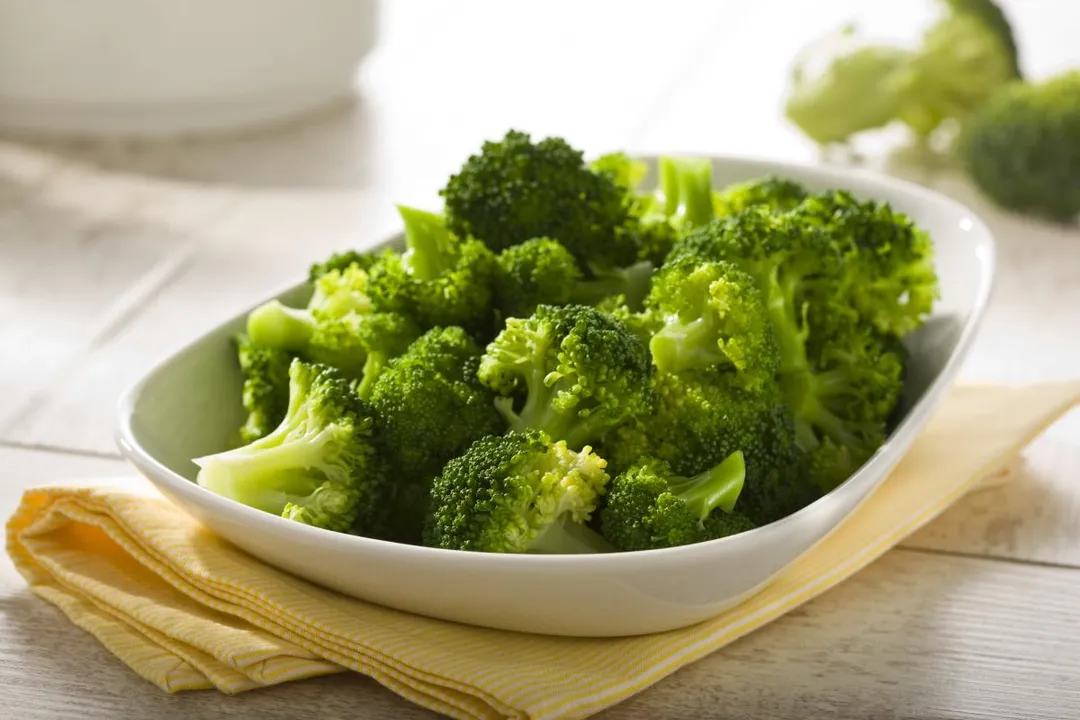
Broccoli contributes to cardiovascular health through several biochemical mechanisms beyond simply managing blood pressure via its potassium/sodium balance or improving lipid profiles. One noted protective effect involves mitigating calcification within the arterial system. Research suggests that components within broccoli can actively assist in reducing the buildup of calcium deposits directly on the walls of blood vessels. This calcification is a serious risk factor, as it contributes to the stiffening and narrowing of arteries, significantly increasing the likelihood of major cardiac events such as heart attacks and strokes.
Related Questions
Which enzyme must act on Glucoraphanin to produce biologically active Sulforaphane (SFN)?What reactive functional group defines Sulforaphane’s ability to interact with nucleophiles like cysteine residues?Which optical isomer of Sulforaphane (SFN) is exclusively produced by natural processes in broccoli sprouts?What percentage of the Recommended Daily Value (DV) for Vitamin K does approximately one cup of raw broccoli supply?Besides high fiber, what specific cardiovascular risk factor's buildup on blood vessel walls may broccoli compounds help reduce?In the acidic environment of the stomach, what metabolite does Indole-3-Carbinol (I3C) commonly convert into?What is the recommended resting period after chopping broccoli to maximize SFN formation via myrosinase activity?Which individuals should maintain consistent Vitamin K intake due to potential interference with what class of medication?What category of molecules derived from broccoli stems are being investigated for broad-spectrum activity against bacteria and fungi?Which specific peptide, ARFEELNMDLFR, originating from the broccoli stem, demonstrates what particular beneficial action?Which preparation method preserves most vitamins while maximizing sulforaphane bioavailability through light heating for 3–5 minutes?