Health Benefits of Broccoli
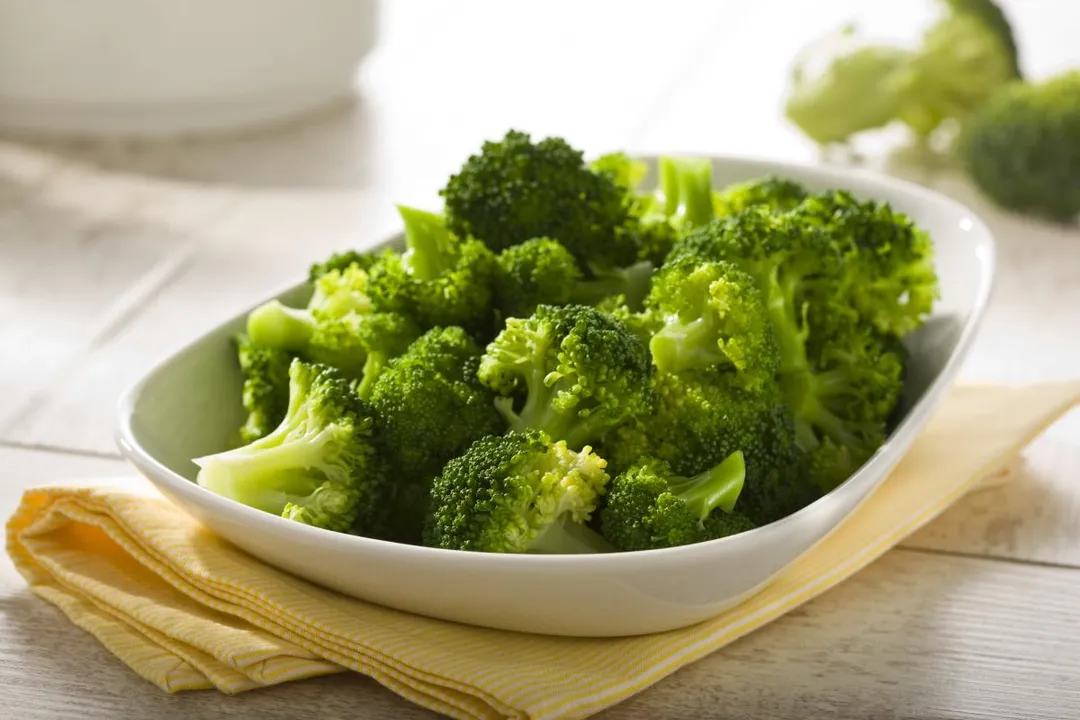
Broccoli, the familiar green vegetable often shaped like a miniature tree, is much more than a childhood staple; it is a significant source of essential nutrition and powerful bioactive compounds. Originating from the wild mustard plant and belonging to the Brassica oleracea species, it shares lineage with cauliflower, cabbage, and Brussels sprouts, classifying it among the cruciferous vegetables. While most commercially grown broccoli is green, varieties also appear in white, orange, and purple hues. Whether raw or cooked, this vegetable offers an impressive spectrum of health advantages, driven by its unique nutrient matrix.
# Core Nutrition

The nutritional density of broccoli is remarkable, providing substantial benefits for relatively few calories. A single cup (about 91 grams) of raw broccoli delivers significant percentages of the recommended Daily Value (DV) for several key micronutrients. It is rich in Vitamin C, providing around 90% of the DV, which is often more than half an orange provides. It is also an excellent source of Vitamin K, supplying roughly 77% of the DV per cup. Other important contributions include Folate (Vitamin B9), Potassium, Phosphorus, and trace amounts of Selenium. Beyond vitamins, broccoli supplies essential macronutrients like carbohydrates for energy, a solid dose of protein, and dietary fiber which promotes satiety and proper digestive function. For instance, half a cup of raw broccoli can contain as much calcium as a half-cup of orange juice. Furthermore, it is naturally free from fat, cholesterol, and sodium.
| Nutrient | Amount per Cup (91g, Raw Estimate) | Key Function |
|---|---|---|
| Calories | ~31 | Low energy density for weight management |
| Vitamin C | ~90% DV | Immune system support, collagen production |
| Vitamin K | ~77% DV | Essential for bone health and blood clotting |
| Dietary Fiber | ~2.4 grams | Digestive health, satiety, blood sugar control |
| Folate (B9) | ~14% DV | Fetal development support during pregnancy |
# Bioactive Chemistry
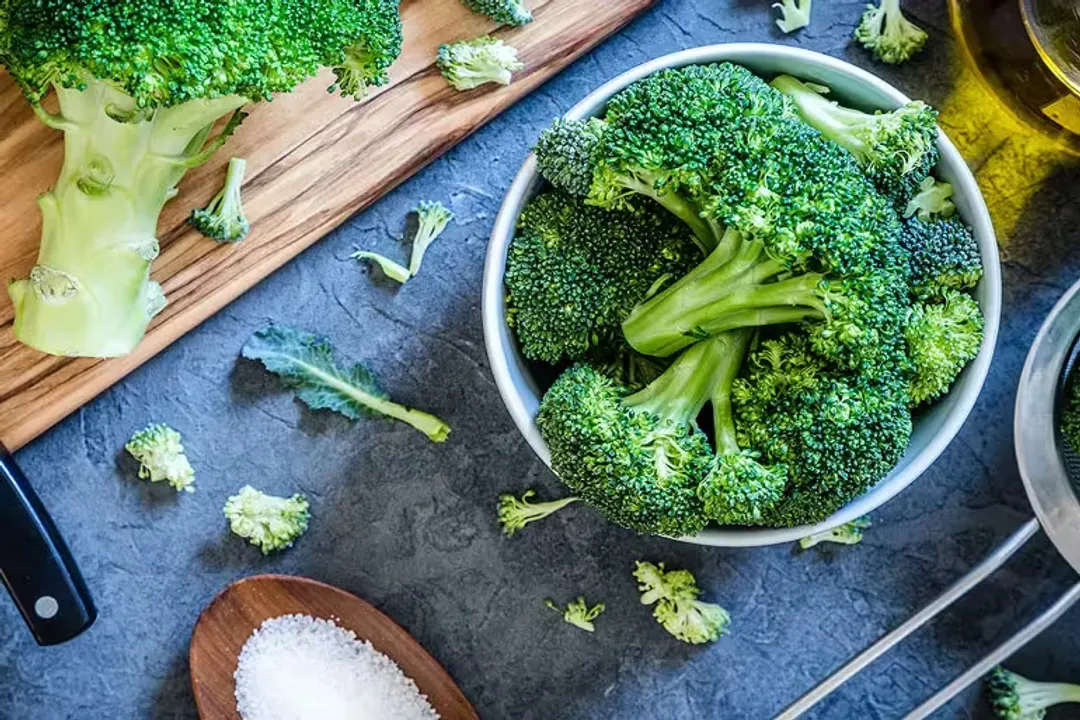
Broccoli’s most celebrated properties stem from its bioactive compounds, which are secondary metabolites that extend well beyond basic nutritional value. These include phenolic compounds, carotenoids, and most notably, glucosinolates (GSLs). GSLs are sulfur-containing compounds responsible for the characteristic bitter taste and pungent smell of Brassica vegetables.
# Sulforaphane Activation
The true potential of GSLs unlocks when the plant tissue is physically damaged (chewing, chopping), allowing the enzyme myrosinase to convert the GSLs into biologically active forms. The most studied GSL in broccoli is glucoraphanin, which converts into the isothiocyanate Sulforaphane (SFN). SFN is widely recognized for its potent antioxidant, anti-inflammatory, and potential anti-cancer activities. SFN acts by activating the Nrf2 signaling pathway, which is central to cellular defense mechanisms against oxidative stress. Upon activation, Nrf2 travels to the nucleus to stimulate the expression of cytoprotective genes, enhancing the cell’s ability to fight damage.
SFN possesses two reactive functional groups, including the isothiocyanate group (–N=C=S), making it highly reactive with nucleophiles like cysteine residues in proteins. This reactivity is key to its function, such as disrupting the Keap1 protein to free up Nrf2.
It is important to note that SFN metabolism is rapid; once ingested, it conjugates with glutathione (GSH), primarily in the liver, through the mercapturic acid pathway, and is quickly excreted in the urine, often within 24 hours. This rapid elimination profile presents a challenge for maintaining constant therapeutic levels, leading to research into specialized delivery systems.
# Stereochemistry Matters
Interestingly, the sulfur atom in SFN’s side chain creates chirality, resulting in two optical isomers: R-SFN and S-SFN. Nature, specifically in broccoli sprouts, produces only the (R)-enantiomer. Studies have indicated that the naturally occurring (R)-SFN is significantly more biologically active than its (S) counterpart, particularly in inducing phase II detoxification enzymes. This stereochemical difference is vital: relying on naturally sourced or precisely synthesized R-SFN may offer superior health benefits compared to using racemic mixtures.
# Other Key Compounds
Broccoli also contains Indole-3-Carbinol (I3C), which forms when the glucosinolate glucobrassicin is metabolized, and this I3C often converts in the acidic stomach environment to 3,3′-diindolylmethane (DIM). Both I3C and DIM exhibit anti-inflammatory effects, partly by activating Nrf2 and inhibiting the pro-inflammatory NF-κB pathway. The vegetable is further endowed with phenolic compounds like flavonoids (e.g., quercetin and kaempferol) and hydroxycinnamic acids (e.g., p-coumaric acid), which also provide antioxidant defense. The carotenoids lutein and zeaxanthin accumulate in the retina to support eye health, while tocopherols (Vitamin E forms) act as lipid-soluble antioxidants protecting cell membranes.
# Protection Against Disease
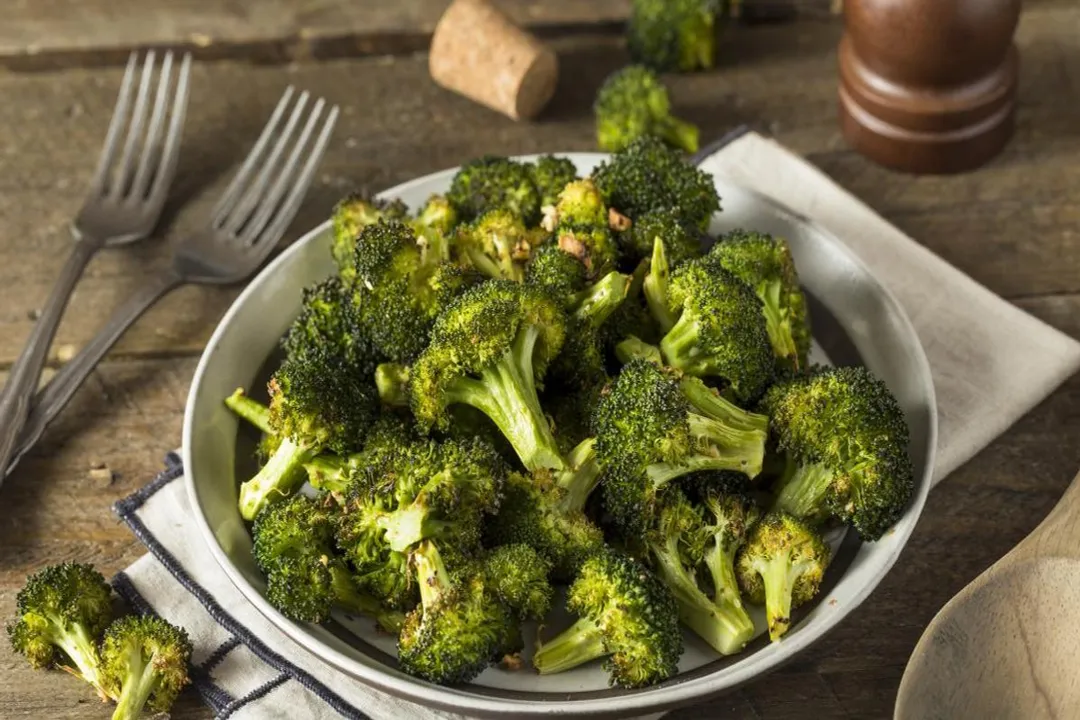
The collective action of these nutrients and phytochemicals positions broccoli as a strong contributor to disease prevention across several systems.
# Cancer Defense
Cruciferous vegetables are famous for their potential to fight cancer, primarily due to GSLs like glucoraphanin converting to SFN. Research suggests SFN may inhibit the growth and spread of cancer cells, promote their programmed death (apoptosis), and detoxify carcinogens by modulating phase I and phase II metabolic enzymes. This effect has been studied in relation to breast, prostate, stomach, renal, and colorectal cancers. I3C and DIM also contribute to chemoprevention by modulating estrogen metabolism and inhibiting angiogenesis (the formation of new blood vessels feeding tumors).
# Cardiovascular Support
Broccoli supports the heart through multiple avenues. Fiber intake is associated with a reduced risk of heart disease, while certain compounds may work to lower triglycerides and LDL (“bad”) cholesterol levels. Research also suggests broccoli can help reduce the buildup of calcium on blood vessel walls, a major risk factor for heart attack and stroke. Its high potassium and low sodium content also assists in maintaining healthy blood pressure.
# Inflammation Management
Chronic inflammation is a precursor to numerous diseases, and broccoli compounds actively work to keep it in check. The flavonoid kaempferol shows strong anti-inflammatory capacity, and a small study involving smokers noted reduced inflammation markers after consuming broccoli. SFN can suppress the production of pro-inflammatory molecules like cytokines, while I3C and DIM help modulate the overall inflammatory response by regulating microglia and pathways like NF-κB.
# Blood Sugar Stability
Eating broccoli may aid in regulating blood sugar, a benefit linked both to its antioxidant content and its fiber content. A trial showed that consuming broccoli sprouts daily led to a significant reduction in insulin resistance in people with Type 2 diabetes.
# Digestive and Cognitive Wellness
The high fiber content in broccoli is fundamental for maintaining a healthy digestive tract, encouraging regular bowel movements and promoting a beneficial gut microbiome. Some studies in mice have shown that broccoli can reduce inflammation within the colon and favorably shift gut bacteria populations.
For the brain, certain nutrients and compounds in broccoli show promise in slowing the mental decline associated with aging. Animal studies suggest kaempferol protects the brain against neurodegenerative diseases, and SFN has shown potential in improving brain tissue recovery following injury or oxygen deprivation. While these findings are encouraging, most research in this area remains restricted to animal models.
# Other Systemic Support
Broccoli contributes to several other areas of bodily maintenance. For bone health, it is a good source of both calcium and Vitamin K, vital for bone strength and preventing conditions like osteoporosis. Additionally, SFN has been suggested to inhibit osteoclasts, the cells responsible for breaking down bone mass, which could help guard against degenerative bone disorders. Eye health is supported by carotenoids like lutein and zeaxanthin, which protect light-sensitive cells in the retina. Furthermore, research, including small human studies, points toward broccoli’s compounds protecting the skin against damage from UV radiation that can lead to skin cancer. Its Folate content makes it valuable during pregnancy, as folate is essential for the healthy development of the fetal brain and spinal cord.
# Maximizing Benefit Through Preparation
How you prepare broccoli directly impacts the availability of its key protective compounds. A crucial step for maximizing SFN is preparation technique. Since the conversion of glucoraphanin to SFN relies on the myrosinase enzyme, chopping the broccoli and allowing it to rest for about 30 to 40 minutes before applying heat gives the enzyme time to work.
There is a clear difference in nutrient retention between preparation methods. Prolonged boiling tends to destroy water-soluble vitamins and beneficial compounds. In contrast, light steaming for 3–5 minutes is often cited as the optimal balance, preserving most vitamins while enhancing sulforaphane bioavailability. If using frozen broccoli, which may have had its myrosinase inactivated during processing, adding a small amount of mustard seed or powder while cooking can effectively reintroduce the necessary enzyme to boost SFN formation.
For general nutrition, remember that while florets are the primary edible portion, the leaves and stems also contain significant nutrition; for example, broccoli leaves are reported to be highest in cell-protecting antioxidants, Vitamins E and K, and calcium. Considering that only about 15% of the plant is typically eaten, integrating the stems and leaves—perhaps by roasting them or adding them to soups—is a simple way to capture the full nutritional profile and reduce food waste. A general guideline suggests aiming for half a cup to one cup of broccoli two to three times per week for measurable health improvements.
# Precautions and Considerations
Broccoli is generally safe, but certain individuals should monitor their intake. Because it is high in Vitamin K, which aids in blood clotting, those taking blood-thinning medications like warfarin should keep their consumption consistent rather than wildly fluctuating, as sudden changes can interfere with drug efficacy. Due to its high fiber and complex carbohydrate load, excessive consumption, especially raw, can lead to digestive discomfort like gas and bloating. Finally, those with existing thyroid conditions should moderate raw intake, as goitrogenic compounds can interfere with iodine uptake if dietary iodine is already insufficient; cooking generally deactivates these compounds.
# Exploring Unused Potential
A forward-thinking approach to consumption involves revaluing parts of the plant typically discarded, such as the leaves and stems. These by-products are rich in the same beneficial compounds found in the florets, like phenolics and GSLs, making them prime candidates for use in functional foods, cosmetics, or pharmaceuticals. Another promising area of investigation focuses on Antimicrobial Peptides (AMPs) derived from broccoli. These small proteins, found in various parts like seeds and stems, show broad-spectrum activity against bacteria and fungi, making them interesting as natural preservatives in food or as alternatives to synthetic antimicrobials. Some of these peptides, like ARFEELNMDLFR from the stem, exhibit membrane-disrupting antimicrobial action, while others, like SIWYGPDRP, show strong anti-inflammatory effects by inhibiting molecules like TNF-α.
Broccoli stands as a genuine nutritional powerhouse, offering tangible support for detoxification, immune function, and long-term disease resistance through its complex chemistry involving SFN, I3C, and a wealth of vitamins and minerals. By being mindful of preparation—embracing methods that preserve its vital enzymatic activity—and recognizing the value in using the entire vegetable, one can easily integrate this versatile food for optimal well-being.
Related Questions
#Citations
Top 14 Health Benefits of Broccoli - Healthline
Broccoli: A Multi-Faceted Vegetable for Health: An In-Depth Review ...
5 Reasons Broccoli Is Good for You - Health Cleveland Clinic
Broccoli: Nutrition, Health Benefits, and How to Prepare - WebMD
12 Broccoli Benefits for Health: Nutrition & Wellness Guide
The Multifaceted Health Benefits of Broccoli—A Review of ... - MDPI
4 Reasons to Eat More Broccoli | St. Vincent's Medical Center
The Benefits of Broccoli - MA SNAP-ED