Can eating kiwi skin cause digestive issues?

Many people peel kiwi fruit before eating it, perhaps due to the fuzzy texture or an assumption that the skin is inedible, but leaving the skin on is generally safe and nutritionally advantageous. [3] The main question surrounding the skin centers on its impact on the digestive system—whether that extra fiber and nutrient load might cause upset, or conversely, promote better gut function. [2][4]
# Skin Value

The skin of the kiwi fruit, particularly the fuzzy brown exterior of varieties like Hayward, contains a significant concentration of beneficial compounds that are often discarded when peeling. [2][5] It is completely edible and washable. [3] From a pure nutritional standpoint, the skin boasts higher amounts of certain micronutrients than the flesh alone. [5] For example, the skin is rich in dietary fiber, which is critical for digestive regularity. [2][4] It also provides more vitamin E and folate compared to the inner pulp. [2][5] Eating the whole fruit means consuming nearly three times the fiber content found in the flesh by itself. [2]
One interesting point of comparison is the concentration of polyphenols; while the flesh contains valuable compounds, the skin often contains higher levels of these antioxidants. [8] This means discarding the skin means missing out on a considerable boost of potential health benefits linked to these compounds. [5]
# Gut Benefits
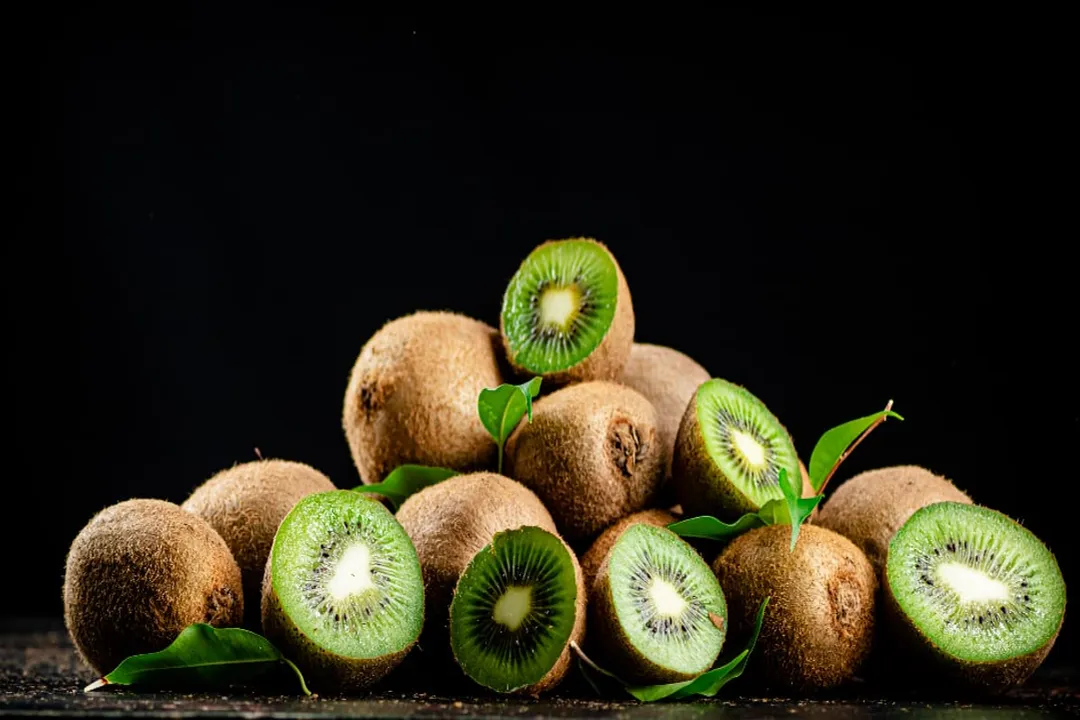
Kiwi consumption, including the skin, is frequently linked to improved digestive health, largely due to its fiber and enzymatic activity. [4] The added fiber from the skin adds bulk to stool, which aids in moving waste through the digestive tract. [2][4] Studies have shown that consuming kiwifruit can lead to increased stool frequency and improved bowel movement consistency. [1][8]
A key component found in kiwifruit, regardless of whether the skin is eaten, is the enzyme actinidin. [4][7] This proteolytic enzyme helps break down proteins, which can assist the stomach in digestion, potentially reducing feelings of bloating or heaviness after a meal containing protein. [4] Furthermore, the fiber in kiwi acts as a prebiotic, feeding beneficial gut bacteria. [7] A diverse and well-fed gut microbiome is essential for overall digestive wellness. [4] If you are someone who regularly struggles with sluggish digestion, making the simple switch to consuming the skin could provide an extra push of both soluble and insoluble fiber needed to normalize transit time. [2]

# Digestive Distress
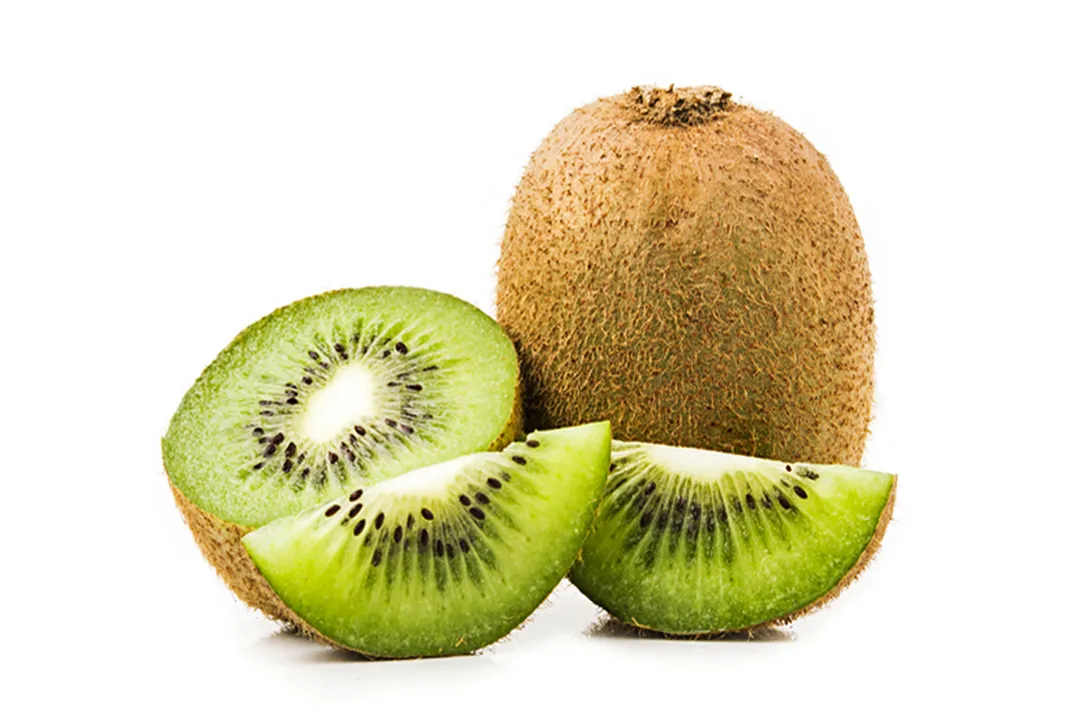
Despite the numerous benefits, the concern about digestive issues is valid, usually stemming from the increased fiber intake or the texture itself. [2][3] The fuzzy nature of the skin can be a significant textural barrier for some individuals. [3] If your current diet is low in fiber, suddenly adding the significant fiber load from kiwi skins—which can nearly triple the intake—could potentially lead to temporary side effects such as gas, bloating, or cramping as your digestive system adjusts. [2]
Furthermore, kiwi fruit, even without the skin, contains FODMAPs (Fermentable Oligosaccharides, Disaccharides, Monosaccharides, and Polyols). [7] These are types of carbohydrates that can be poorly absorbed in the small intestine for some people, leading to digestive discomfort, particularly for those with Irritable Bowel Syndrome (IBS). [7] While the skin contributes fiber, the FODMAP content is present throughout the fruit. If you are sensitive to high-FODMAP foods, eating a large amount of kiwi, skin included, might exacerbate symptoms like pain or excessive gas. [7]
Anecdotal reports, such as those found on consumer forums, sometimes reflect this immediate discomfort, where individuals report stomach upset after consuming kiwi, sometimes specifically mentioning the skin, though it is often difficult to isolate the skin as the sole culprit versus the fruit pulp or an underlying sensitivity. [6]
# Fiber Introduction Rate
When incorporating more fiber, pacing is key. Think of it like starting a new exercise regimen; jumping straight into high intensity often leads to muscle soreness or burnout. For those unused to the high fiber content of whole kiwi fruit, a good initial approach is to start with just one whole, well-washed kiwi every other day, rather than immediately substituting a peeled kiwi for a whole one in every meal. [2] This gradual exposure allows the gut flora time to adapt to the increased prebiotic load. [7] A good test for yourself is to observe how easily you digest other high-fiber foods like beans or whole grains; your tolerance for kiwi skin will likely mirror that general baseline.
# Sensitivities and Allergies
Beyond general digestive upset from fiber, specific intolerances and allergies must be considered. [9] A true kiwi allergy is a distinct possibility, and this reaction is generally not limited to the skin. [9] Symptoms of a kiwi allergy can range from mild oral irritation, such as itching in the mouth or throat, to more severe reactions like hives, swelling, or difficulty breathing. [9] If you have known allergies to latex or birch pollen, you may have a higher likelihood of experiencing cross-reactivity with kiwi, as these substances share similar proteins. [9] In cases of a known allergy, consumption must be strictly avoided, regardless of whether the skin is present. [9]
For those who experience digestive trouble that seems disproportionate to the amount of fiber eaten, testing for specific food sensitivities might be warranted to determine if the kiwi itself, or perhaps the concentration of FODMAPs, is the issue. [7]

# Preparation Tips
If you decide the nutritional benefits outweigh any potential texture concerns and wish to move toward eating the skin, preparation is paramount for both enjoyment and safety. [3]
- Washing: Always wash the kiwi thoroughly under cool running water, rubbing gently to remove any surface dirt, wax, or pesticide residue. [3]
- Fuzz Reduction: For those bothered by the fuzz, gently rubbing the skin with a soft cloth, paper towel, or even a dedicated vegetable brush can significantly reduce the surface hairiness without compromising the integrity of the peel. [3] Alternatively, some people prefer to use smooth-skinned varieties, like the Gold kiwi, if available, as they have far less fuzz, though the nutritional profile remains similar. [2]
# Smooth vs. Fuzzy Texture Comparison
It is helpful to look at the common varieties when considering skin consumption. The Hayward kiwi, the most common variety, is known for its fuzzy skin, which requires more aggressive washing or rubbing to manage the texture. [2] In contrast, the Gold or Zespri SunGold variety features a smoother, thinner skin with minimal fuzz. [2] While both are safe to eat with the skin on, for a beginner trying to gauge tolerance or texture preference, starting with the Gold variety might offer a gentler introduction before moving to the slightly rougher texture of the brown variety. [3] This choice is purely textural; nutritionally, both skins offer significant fiber. [2]
# Final Consideration
Ultimately, whether eating kiwi skin causes digestive issues depends far more on the individual's current digestive state and tolerance level than on any inherent toxicity of the peel. [2][4] For the average healthy individual, the skin provides a welcome source of fiber and nutrients that supports, rather than hinders, proper digestion. [1][8] If you experience discomfort, the solution is rarely to never eat it again, but rather to adjust the quantity or ensure you are pairing it with other foods to balance the fiber intake. [2] Pay attention to your body’s signals, introduce it slowly, and you are likely to find that the skin is a beneficial part of this nutritious fruit. [3]
Related Questions
#Citations
The Effects on Immune Function and Digestive Health of Consuming ...
Can You Eat Kiwi Skin? - Healthline
Why You Should Be Eating Kiwi Skin - Health Cleveland Clinic
Kiwifruit and gut health - American Pharmacists Association
Can You Eat Kiwi Skin? Hidden Nutrients and Potential Benefits
Is this making my stomach upset? : r/fruit - Reddit
FODMAP: Zespri Kiwifruit, Gut Health and You!
Habitual Green Kiwifruit Consumption Is Associated with a ...
All You Need To Know About Kiwi Allergies | YorkTest US