Why are the leaves of the rhubarb plant strictly considered inedible and toxic?
Answer
They contain a high concentration of oxalic acid
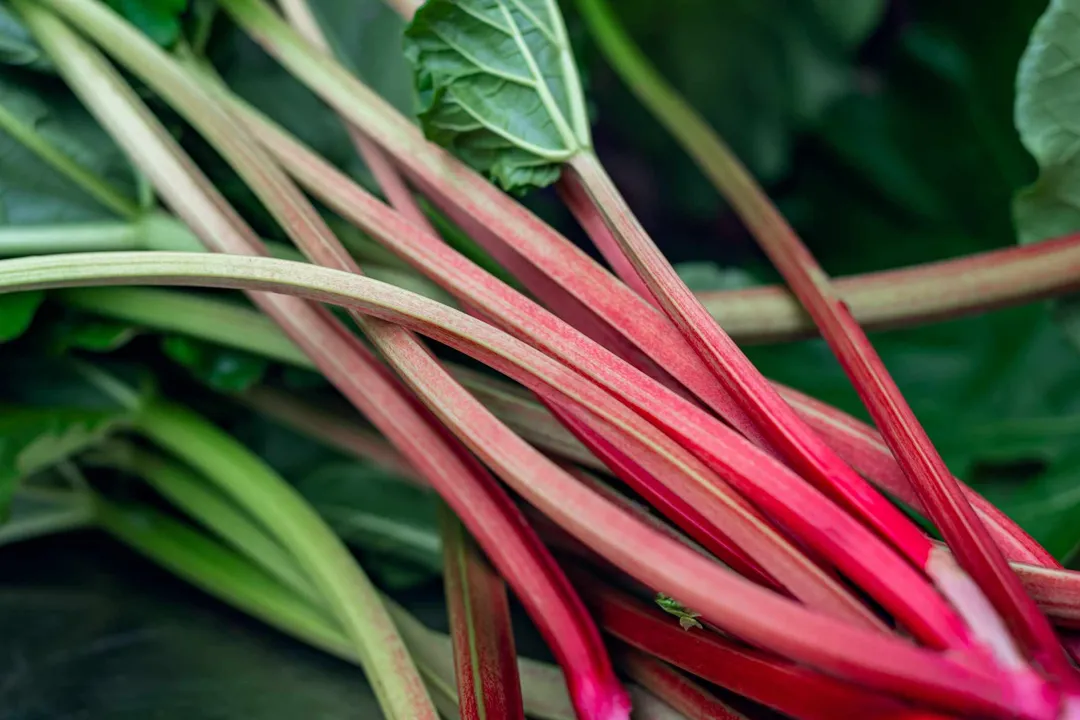
The leaves of the rhubarb plant must be avoided because they harbor an extremely high concentration of oxalic acid, a naturally occurring compound within the plant. This high concentration renders the leaves toxic if consumed, capable of causing serious health issues. In contrast, the stalks contain a much lower concentration of oxalic acid, making them safe for eating. While oxalic acid is present in lower amounts in the stalks, its presence still necessitates moderation because it has the chemical property of binding to essential minerals such as calcium, which can consequently hinder the body's ability to properly absorb those minerals during digestion.
Related Questions
What are the two primary bodily functions for which Vitamin K, supplied by rhubarb stalks, is described as being crucial?What powerful antioxidant pigments, which share chemical similarity with pigments found in blueberries, are abundant in rhubarb stalks, especially the redder varieties?Why are the leaves of the rhubarb plant strictly considered inedible and toxic?How does the soluble fiber found in rhubarb potentially contribute to lowering harmful LDL cholesterol levels in the cardiovascular system?What specific culinary consideration often requires modification when preparing rhubarb stalks due to their inherent sourness?Despite its frequent use in sweet preparations like pie, what is rhubarb botanically classified as?What specific negative impact does oxalic acid have on mineral uptake when consumed in rhubarb stalks?Regarding digestive regularity, what physical function does the high fiber content of rhubarb serve in promoting smooth transit through the intestinal tract?What essential roles is Vitamin C, which is supplied by rhubarb stalks, specifically noted for supporting in human physiology?What characteristic of rhubarb stalks allows them to be an excellent vehicle for fiber without significantly increasing energy intake?