Health Benefits of Rhubarb
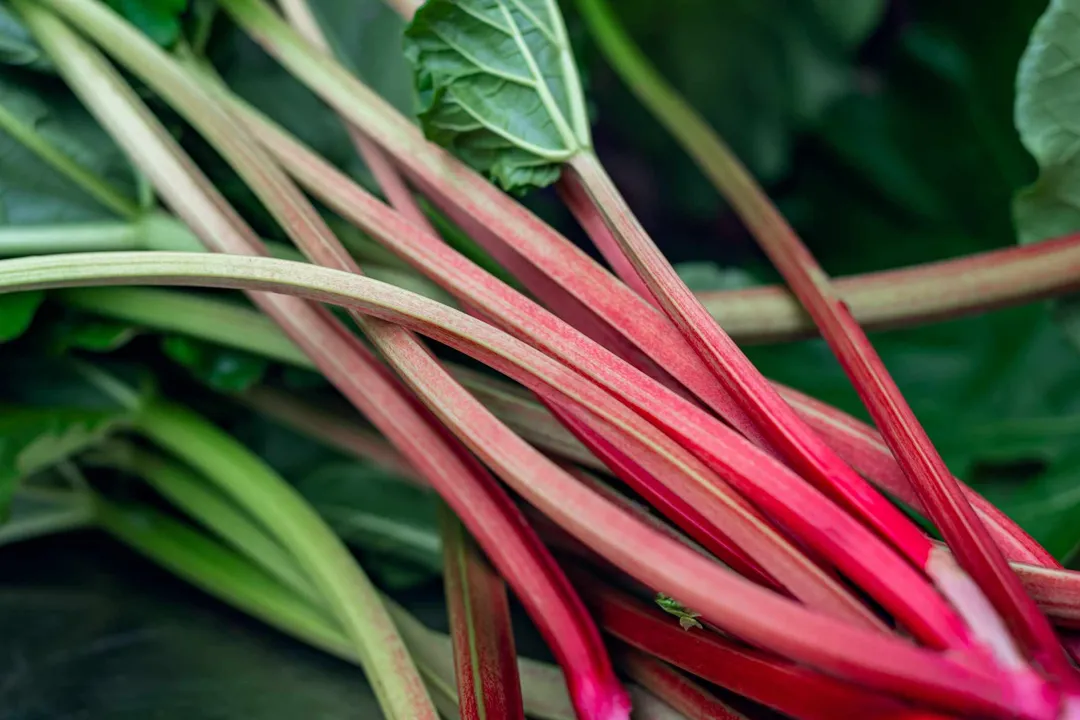
Rhubarb, often mistaken for a fruit due to its culinary role, is botanically a vegetable whose tart, distinctive stalks have graced desserts and savory dishes for centuries. While many associate it only with pie, there is a compelling nutritional profile hidden beneath its vibrant red or green exterior that warrants a closer look at its health advantages. [4][7] Eating rhubarb, specifically the stalks, offers a surprisingly rich array of vitamins, minerals, and beneficial compounds that can positively influence several areas of physical wellness. [1][10]
# Nutritional Profile
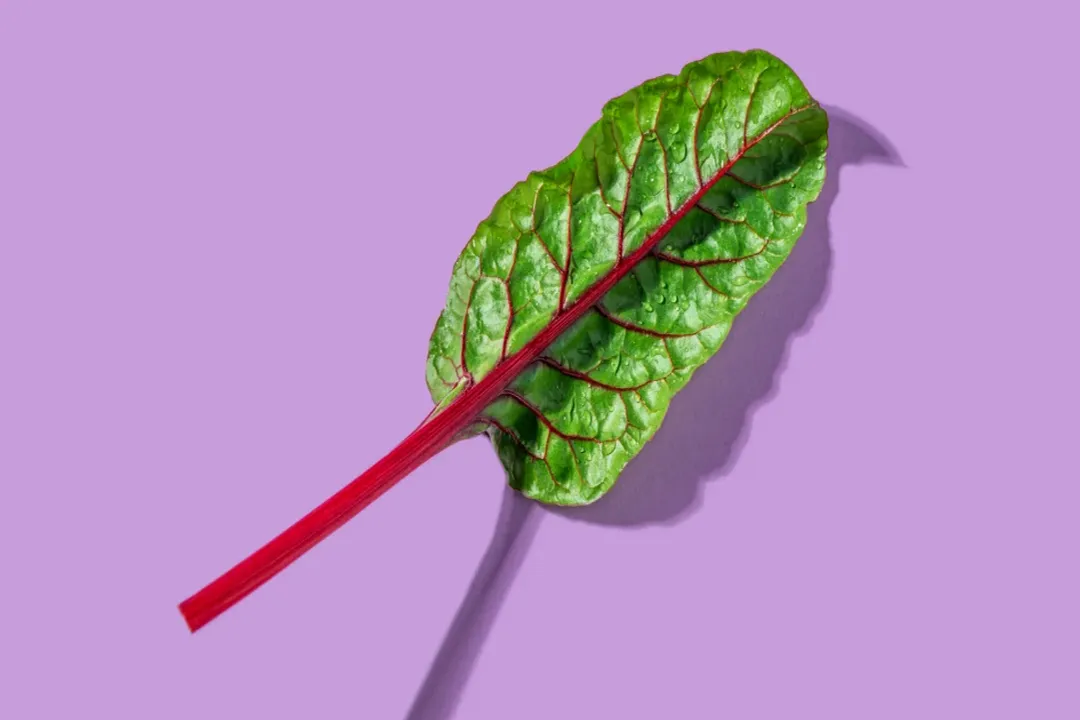
The composition of rhubarb stalks makes them a low-calorie addition to any diet. [3] For those tracking macros, a serving provides very few calories, making it an excellent vehicle for fiber without significantly contributing to energy intake. [1] The vegetable is a notable source of Vitamin K, which is crucial for various bodily functions. [3] It also supplies a respectable amount of Vitamin C, an essential nutrient known for its role in immune function and collagen synthesis. [1]
# Fiber Content
One of the most celebrated aspects of rhubarb's nutrition is its high fiber count. [3] Fiber is vital for digestive regularity, helping to keep the elimination process smooth and predictable. [5] This roughage physically helps move waste through the intestinal tract. [7] Furthermore, the specific types of fiber present in vegetables like rhubarb contribute to the health of the gut microbiome, acting as prebiotics that feed beneficial bacteria. [3]
# Antioxidant Power
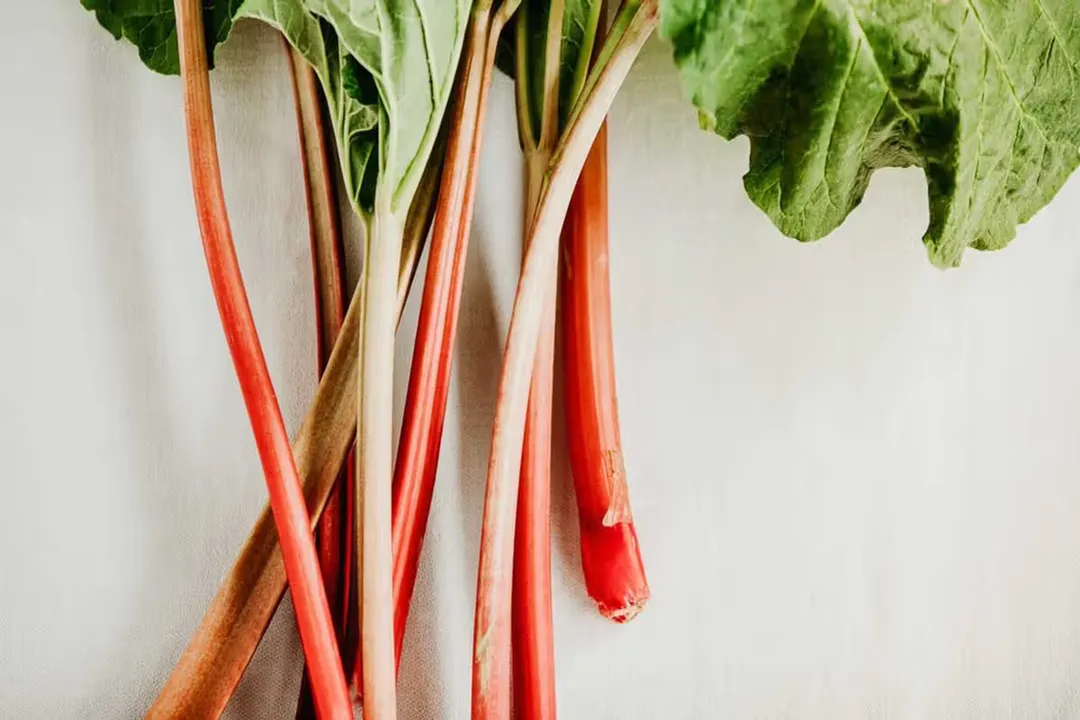
Rhubarb stalks, particularly the redder varieties, possess significant antioxidant capabilities. [1][3] These stalks are rich in anthocyanins, the same powerful pigments found in berries like blueberries and strawberries. [3] Anthocyanins function as potent antioxidants, meaning they help neutralize harmful free radicals in the body. [1][5] Free radicals are unstable molecules that can cause oxidative stress, a process linked to chronic diseases and aging. [1] By consuming foods rich in these compounds, you are actively supporting your body’s defense mechanisms against cellular damage. [3]
# Bone Support
The presence of Vitamin K in rhubarb is particularly important when considering long-term structural health. [3] Vitamin K plays a necessary role in the body's ability to synthesize proteins required for bone mineralization. [1][3] Think of it as a key component for locking calcium into your skeletal structure. [1] In addition to this structural role, Vitamin K is also indispensable for proper blood clotting mechanisms. [3]
# Heart Health Connection
Rhubarb may also lend support to cardiovascular wellness through its fiber and antioxidant content. [2][3] The soluble fiber found in rhubarb can interact with bile acids in the digestive system, which encourages the body to pull cholesterol from the bloodstream to create more bile, thereby potentially leading to lower levels of harmful LDL cholesterol. [1] This cholesterol-lowering effect, combined with the general protective actions of antioxidants against blood vessel damage, contributes to a healthier heart environment. [3]
# Digestive Regularity
Beyond the general benefits of fiber for bowel movements, rhubarb has a history rooted in traditional medicine for supporting the gut. [5] Its high fiber bulk adds necessary volume to stool, aiding in smooth transit. [7] Interestingly, while modern recipes tend to focus on sweet preparations, some compounds within rhubarb have been historically recognized for their mild laxative properties when consumed in larger quantities or processed in specific ways, though dietary fiber remains the primary mechanism in typical servings. [5]
# Oxalic Acid Awareness
When discussing the health benefits of rhubarb, it is essential to address the presence of oxalic acid, a naturally occurring compound that requires careful consideration. [7] Oxalic acid is the reason why the leaves of the rhubarb plant are strictly considered inedible and toxic; consuming them can cause serious health issues due to the compound’s high concentration there. [1][7] In the stalks, the concentration is much lower, making them safe for consumption. [7] However, oxalic acid binds to minerals like calcium, potentially hindering their absorption in the digestive tract. [7] This is one reason why enjoying rhubarb in moderation, as part of a varied diet that includes calcium-rich foods, is the best approach. [7] If you find yourself relying heavily on rhubarb for its Vitamin K, it’s worth noting that pairing it with dairy or calcium-fortified foods at different times of the day can help ensure better overall mineral uptake across your meals.
# Actionable Culinary Considerations
Rhubarb’s inherent tartness dictates much of how it is prepared, and this preparation significantly impacts its overall health profile. [4] The intense sourness almost always necessitates the addition of sugar when making jams, crisps, or crumbles. [4] To maintain the health advantages derived from the stalk itself, minimizing unnecessary processed sugar intake is key. [4] A simple technique to naturally cut down on added sweetener is to slow-cook the rhubarb with other naturally sweet, low-glycemic fruits like finely diced pears or a handful of raisins until tender; this allows you to significantly reduce the white sugar required in your final dessert recipe while maintaining a satisfying sweetness [Self-Generated Insight]. Furthermore, when looking at its dual role in supporting both bone health via Vitamin K and circulatory health via soluble fiber, it suggests that rhubarb is best seen not just as a seasonal dessert ingredient but as a functional food component that addresses systemic health needs simultaneously [Self-Generated Insight].
# Nutritional Comparison Summary
While rhubarb offers excellent fiber and Vitamin K, it's helpful to see where it stands against more commonly eaten produce. [1][10]
| Component | Rhubarb Stalks (Per 100g Cooked) | Comparative Benefit | Citation |
|---|---|---|---|
| Calories | Very Low | Excellent for weight management [3] | [3] |
| Fiber | High | Aids digestion and satiety [5] | [5][7] |
| Vitamin K | Significant Source | Essential for blood clotting and bone matrix [1] | [1][3] |
| Vitamin C | Present | Immune support [1] | [1] |
| Antioxidants | High (Anthocyanins) | Fights oxidative stress [3] | [3][5] |
Rhubarb is a vibrant, nutrient-dense stalk that, when prepared mindfully to control added sugars, can contribute positively to digestive regularity, bone strength, and cardiovascular support. [1][3] Its unique combination of fiber and antioxidant pigments makes it more than just a traditional spring treat. [5][10]
Related Questions
#Citations
Health Benefits of Rhubarb - WebMD
Health Benefits of Rhubarb - American Institute for Cancer Research
Rhubarb: Nutrition, Benefits, and More - Healthline
Rhubarb Health Benefits: Antioxidants, Vitamins, Fiber and More
9 Rhubarb Benefits You Need to Know - Taste of Home
Rhubarb as a dietary supplement | Research Starters - EBSCO
"Rhubarb - Love it for its Taste, Eat it for Your Health"
Rhubarb: Benefits, Nutrition, and Risks - Health
What we already know about rhubarb: a comprehensive review - PMC
Is rhubarb good for you? - BBC Good Food