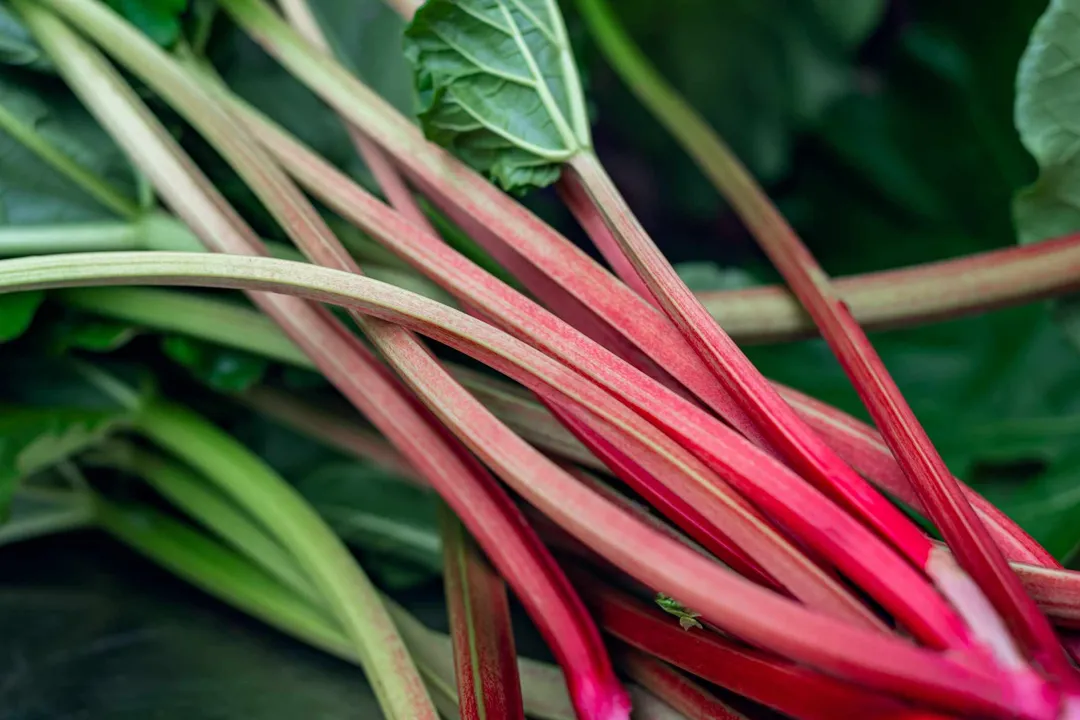
What specific negative impact does oxalic acid have on mineral uptake when consumed in rhubarb stalks?
It binds to minerals like calcium, potentially hindering their absorption
Even though the stalks of rhubarb are safe for consumption, they still contain oxalic acid, albeit in much lower concentrations than the toxic leaves. A key property of oxalic acid is its ability to chelate or bind with certain dietary minerals, most notably calcium, within the digestive tract. When this binding occurs, the resulting compound is often poorly absorbed by the body, meaning that the calcium present in the meal, along with the calcium naturally present in the rhubarb, is not fully utilized. This mineral interference is the rationale behind the recommendation to enjoy rhubarb in moderation and to pair it with calcium-rich foods at different times during the day to optimize overall mineral uptake across the diet.