Despite its frequent use in sweet preparations like pie, what is rhubarb botanically classified as?
Answer
A vegetable
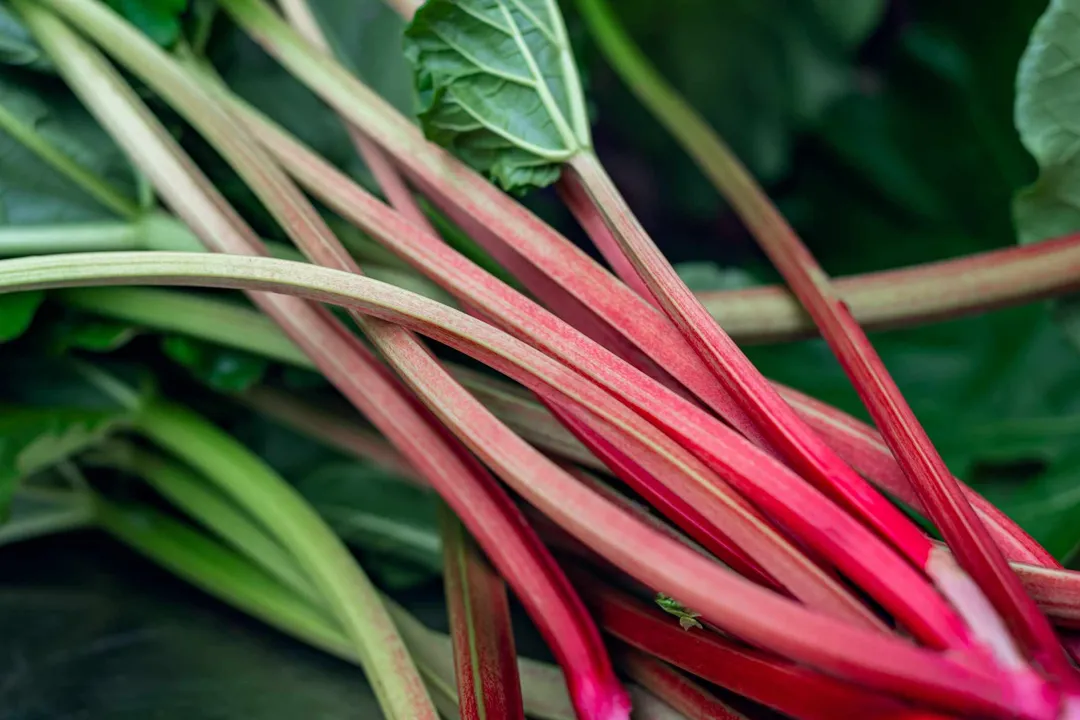
Rhubarb occupies an interesting place in the culinary world, frequently being treated and prepared as a fruit, especially when incorporated into desserts. However, botanically speaking, rhubarb is classified as a vegetable. This distinction stems from the structure of the plant—the part consumed comprises the tart, distinctive stalks rather than the sugary flesh of a botanical fruit. This dual nature often leads to confusion regarding its identity, but its true botanical placement is firmly within the vegetable category, even though its tart flavor profile usually mandates pairing it with sweeteners in common recipes.
Related Questions
What are the two primary bodily functions for which Vitamin K, supplied by rhubarb stalks, is described as being crucial?What powerful antioxidant pigments, which share chemical similarity with pigments found in blueberries, are abundant in rhubarb stalks, especially the redder varieties?Why are the leaves of the rhubarb plant strictly considered inedible and toxic?How does the soluble fiber found in rhubarb potentially contribute to lowering harmful LDL cholesterol levels in the cardiovascular system?What specific culinary consideration often requires modification when preparing rhubarb stalks due to their inherent sourness?Despite its frequent use in sweet preparations like pie, what is rhubarb botanically classified as?What specific negative impact does oxalic acid have on mineral uptake when consumed in rhubarb stalks?Regarding digestive regularity, what physical function does the high fiber content of rhubarb serve in promoting smooth transit through the intestinal tract?What essential roles is Vitamin C, which is supplied by rhubarb stalks, specifically noted for supporting in human physiology?What characteristic of rhubarb stalks allows them to be an excellent vehicle for fiber without significantly increasing energy intake?