What characteristic of Vitamins A, D, E, and K necessitates dietary fat for absorption?
Answer
They are classified as fat-soluble
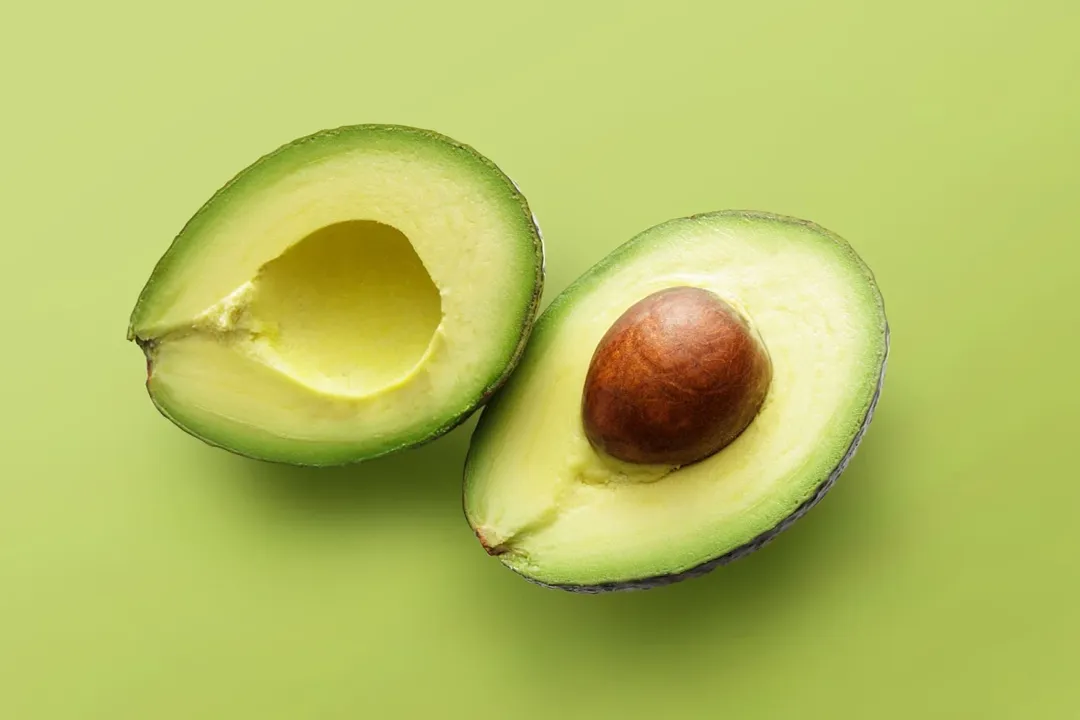
Vitamins A, D, E, and K share the classification of being fat-soluble, meaning they require the presence of dietary fat to be effectively absorbed and transported from the digestive tract into the bloodstream for bodily utilization. This characteristic highlights the avocado's undervalued role as a nutrient booster for other foods. For example, if a person eats Vitamin A-rich carrots or Vitamin K-rich greens without accompanying fat, the body cannot access a significant portion of those vitamins' benefits. Slicing an avocado onto such a meal supplies the necessary healthy fat context, dramatically increasing the overall absorption rate of these fat-soluble vitamins and other carotenoids like lycopene.
Related Questions
What is the most abundant monounsaturated fatty acid in avocados?How does the potassium level in avocados compare to bananas?What specific change do avocados help facilitate regarding LDL cholesterol?Which carotenoids in avocados help filter harmful blue light waves in the eye?What characteristic of Vitamins A, D, E, and K necessitates dietary fat for absorption?What role does soluble fiber in avocados serve within the gut microbiome?Which vitamin in avocados is essential for regulating calcium integration into bone structure?How do fats and fiber in avocados work synergistically for weight management?What is the recommended strategy for managing the notoriously short avocado ripeness window?Botanically, what classification does the avocado fruit belong to?