Health Benefits of Avocado
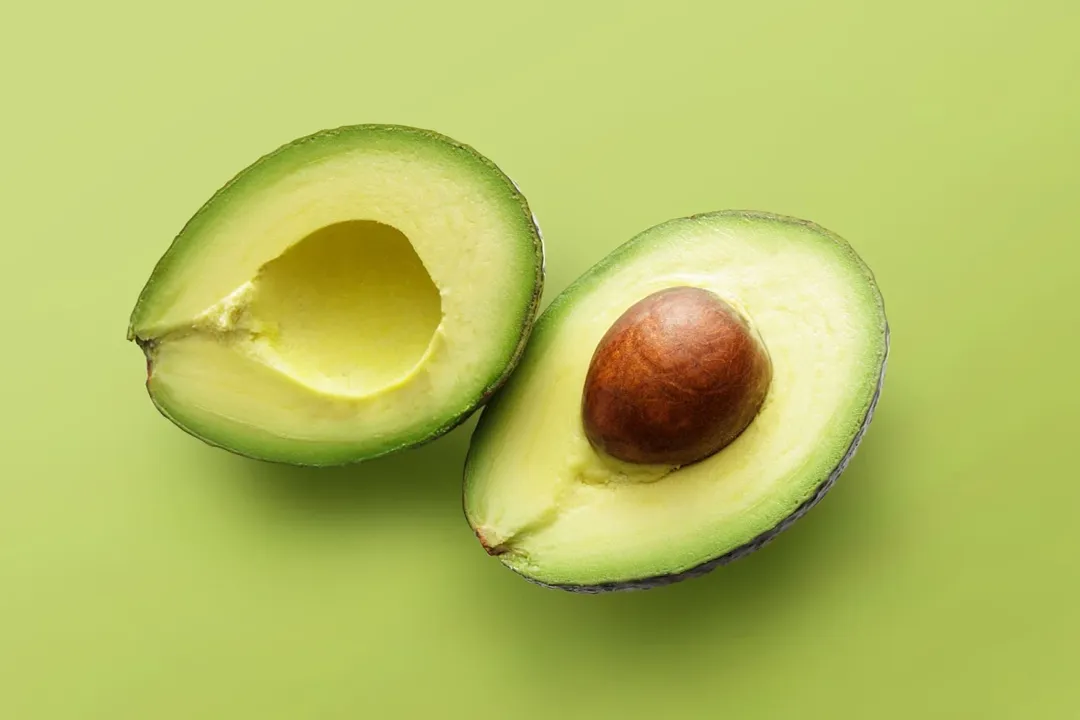
The avocado, often recognized by its distinctive pebbly green skin and creamy interior, has transitioned from a niche ingredient to a mainstream dietary staple in recent years. This fruit, technically a large berry with a single seed, offers a nutritional profile that sets it apart from most other produce items, primarily due to its unique fat composition. [3][9] While many fruits are celebrated for their carbohydrate content, the avocado stands out by being rich in healthy fats, fiber, and an impressive array of essential vitamins and minerals. [1][2][7][8] Incorporating this food regularly into one’s diet may provide significant support for numerous bodily systems, ranging from cardiovascular maintenance to enhanced nutrient utilization. [1][4][5] Its versatility in the kitchen, pairing well with everything from salads and toasts to smoothies, makes it an accessible addition for anyone looking to boost their nutrient intake naturally. [1][5]
# Nutrient Density
A primary reason for the avocado’s acclaimed status is its remarkable concentration of beneficial nutrients within a relatively small serving size. [3][9] Unlike the carbohydrate-heavy profiles typical of most fruits, avocados deliver a substantial amount of dietary fat, which is crucial for energy and cellular structure. [1][3] This fat is predominantly monounsaturated, with oleic acid being the most abundant type, a fatty acid also featured prominently in olive oil and known for its health-promoting properties. [3][4][8]
The fiber content in avocados is another standout feature. A medium avocado can contribute a significant portion of the recommended daily fiber intake, aiding in digestive health and promoting feelings of fullness. [2][3][7] Beyond macronutrients, the vitamin and mineral profile is extensive. Avocados are an excellent source of Vitamin K, which is important for blood clotting and bone health. [3][9] They also provide notable amounts of Vitamin C, an antioxidant that supports the immune system, and Vitamin E, another key fat-soluble antioxidant. [2][3][5]
Potassium levels in avocados are surprisingly high, often exceeding those found in bananas, which are traditionally famous for this mineral. [5][9] Considering the role of potassium in maintaining healthy blood pressure by balancing the negative effects of sodium, this makes the avocado a powerful addition for cardiovascular support. [2][4] Furthermore, they contain various B vitamins, including folate, which is vital for cell function and tissue growth. [3][9]
# Heart Health
The relationship between avocado consumption and cardiovascular wellness is one of the most researched areas regarding this fruit's benefits. [4][8] The favorable fat composition plays the leading role here. The high concentration of monounsaturated fats, particularly oleic acid, has been linked to favorable changes in blood lipid profiles. [3][4]
Specifically, studies suggest that regular consumption of avocados can help lower levels of low-density lipoprotein (LDL) cholesterol, often dubbed the "bad" cholesterol, while potentially maintaining or even increasing levels of high-density lipoprotein (HDL) cholesterol, the "good" kind. [1][5][8] Reducing excessive LDL cholesterol is a well-established strategy for lowering the risk of plaque buildup in the arteries. [9] When considering dietary fat choices, it’s easy to overlook how different fat types affect the body; the saturated fats found in many processed foods contribute negatively to lipid panels, whereas the fats in avocados offer protective benefits. [3]
Another significant factor is the high potassium content mentioned earlier. [5] Adequate potassium intake is necessary for regulating blood pressure. [2][4] If one were to aim for an intake of approximately 4,700 mg of potassium daily—a common recommendation for adults—a single avocado can supply a substantial percentage of that goal, offering a delicious way to help manage circulatory pressure. [5][9] This combination of beneficial fats and blood pressure-supporting minerals positions the avocado as a proactive food choice for long-term heart maintenance.

# Eye Protection
Protecting our vision becomes increasingly important as we age, and diet plays a crucial modifiable role in that protection. [2][8] Avocados contain specific carotenoids that accumulate in the eye tissue, notably lutein and zeaxanthin. [3][5][8] These compounds function as natural antioxidants within the eye, helping to filter out harmful, high-energy blue light waves that can cause damage over time. [2][8]
The presence of these specific phytonutrients helps reduce the risk of developing age-related macular degeneration (AMD) and cataracts, two common causes of vision impairment. [5][8] It is interesting to note that because lutein and zeaxanthin are fat-soluble, the natural fat content of the avocado itself enhances the body’s ability to absorb and utilize these beneficial pigments when the fruit is eaten. [1][9] This synergy—having the fat and the fat-soluble nutrient in the same package—is a perfect example of how whole foods deliver benefits more effectively than isolated supplements. For example, adding avocado slices to a spinach salad containing other carotenoids dramatically improves the overall absorption rate of those eye-protective compounds from the entire meal.
# Digestive Health
A healthy digestive system relies heavily on sufficient dietary fiber, and avocados deliver this in spades. [2][7] Fiber is essential for adding bulk to stool, which promotes regular bowel movements and helps prevent constipation. [4] The texture of an avocado, smooth and creamy when ripe, belies its significant fiber load, which is a mix of soluble and insoluble types. [3]
Soluble fiber, in particular, dissolves in water to form a gel-like substance in the gut. This gel helps slow digestion, which can contribute to better blood sugar control by moderating the rate at which sugars enter the bloodstream. [4] Additionally, this soluble fiber acts as a prebiotic, feeding the beneficial bacteria residing in the colon. [3] A thriving gut microbiome is increasingly linked to better immunity, mood regulation, and reduced systemic inflammation, meaning the avocado feeds more than just the individual cells—it nurtures the entire internal ecosystem.

# Enhanced Nutrient Absorption
One of the most undervalued health advantages of consuming avocados is their ability to act as a nutrient booster for other foods eaten alongside them. [1][5][9] Many essential vitamins—specifically Vitamins A, D, E, and K—are classified as fat-soluble. [1] This means the body requires dietary fat to properly absorb and transport these vitamins from the digestive tract into the bloodstream for use. [3][5]
If a person consumes a large salad loaded with Vitamin A-rich carrots or Vitamin K-rich leafy greens but pairs it with a fat-free dressing, the body misses out on a significant portion of those vitamins' potential benefits. [9] Slicing an avocado onto that salad provides the necessary healthy fat context for these vitamins to be absorbed effectively. [1] Research supports this: adding avocado to salsa, for instance, significantly increases the absorption of carotenoids like lycopene from the tomatoes. [1] This transformative effect means avocados don't just contribute their own nutrient profile; they actively improve the nutritional value of the entire meal they accompany.
# Weight Management and Satiety
Despite being calorically dense due to their high fat content, avocados can be an asset for those managing their weight, primarily through their impact on satiety. [2][4] Feelings of fullness, or satiety, are critical in controlling overall calorie intake throughout the day. [4] The combination of healthy fats and high fiber works synergistically to promote sustained satisfaction after eating. [2][3]
When a meal contains fats and fiber, digestion slows down, leading to a more gradual release of energy and a delayed return of hunger signals. [3] This can help curb unnecessary snacking between meals. If we look at this from a practical kitchen standpoint, replacing less nutritious, less satiating fats (like those found in some fried foods or refined snacks) with the wholesome fats from half an avocado provides much longer-lasting energy and reduces the likelihood of reaching for processed sugar fixes an hour later. The body recognizes and responds well to this type of dense, high-quality fuel source. [4]

# Supporting Bone Health
The structural integrity of our skeleton depends on a constant supply of specific vitamins and minerals, and the avocado contributes to this matrix. [3][9] As previously noted, avocados are an excellent source of Vitamin K. [3][9] Vitamin K is essential because it helps regulate calcium in the body, facilitating its proper integration into the bone structure. [9] Without sufficient Vitamin K, calcium might not be effectively utilized for building strong bones, potentially contributing to issues like osteoporosis over time. [3]
While often overlooked in favor of calcium and Vitamin D discussions, ensuring adequate Vitamin K intake is a key, yet simple, dietary consideration for bone maintenance. Given that one avocado can provide a substantial portion of the daily requirement for this vitamin, it offers a convenient dietary pathway to support bone density alongside other necessary components. [9]
# Potential Protective Effects
Beyond the well-established macronutrient and vitamin contributions, avocados contain various bioactive compounds that scientists are investigating for their protective capabilities. [4][8] These include a range of phytochemicals and antioxidants. [4]
Some preliminary research suggests that components within avocados may possess properties that inhibit the growth of certain cancer cells, although these findings are typically based on laboratory studies and require further human clinical validation. [4][8] Similarly, the anti-inflammatory nature often attributed to monounsaturated fats and antioxidants like Vitamin E can contribute to a lower systemic inflammatory load, which is an underlying factor in many chronic diseases. [8] While no single food can prevent disease, integrating foods rich in these protective compounds, like the avocado, forms a sound strategy for general wellness maintenance. [4]
# Practical Integration and Ripeness
For many people, the biggest hurdle in regularly consuming avocados isn't the desire, but managing the ingredient's notoriously short window of perfect ripeness. [1] Avocados ripen after they are picked, and the transition from rock-hard to perfectly yielding can sometimes take days, followed by a rapid descent into brown, mushy overripeness. [1]
To manage this variability, consider purchasing avocados in stages. Buy a few that are still quite firm and leave them on the counter, while keeping one or two in the refrigerator to slow down the ripening process of those already near readiness. [1] Once an avocado reaches that ideal state—yielding gently to slight pressure without feeling mushy—it is best used immediately or refrigerated to pause further ripening for a day or two. [1] This simple strategy of staggered purchasing ensures you have access to perfectly creamy avocado for your meals throughout the week, maximizing enjoyment and nutrient availability. The best preparation remains the simplest: a sprinkle of sea salt and a squeeze of lime juice to highlight its natural, rich flavor profile, or simply mashed onto whole-grain toast for a quick, satisfying meal. [1][5]
Related Questions
#Citations
Avocado nutrition: Health benefits and easy recipes
Health Benefits of Avocados - WebMD
7 Potential Health Benefits of Avocado - Healthline
Avocado: Nutrition, Benefits, and More - Medical News Today
Health benefits of eating avocado | Woman's Hospital of Texas
Top 10 Health Benefits of Eating Avocados
[PDF] Health Benefits of Avocados
The Avocado: A Superfood with Incredible Health Benefits
Exploring the Health Benefits of Avocados: A Nutrient Powerhouse