Is sambar good for your stomach?
When considering a popular South Indian staple like sambar, the question of its effect on the digestive system quickly arises, especially given its foundation in lentils, vegetables, and aromatic spices. This hearty lentil and vegetable stew, often served alongside idli or dosa, is celebrated not just for its robust flavor profile but also for its nutritional density, which inherently suggests benefits for the entire system, including the stomach and gut. [6][8] Understanding the "good" requires dissecting its composition: the pulse base, the array of supporting vegetables, the complex spice mixture, and, crucially, how it is prepared and what it is paired with. [1][4]
# Pulse Base
The cornerstone of authentic sambar is the use of lentils or dal, typically toor dal (split pigeon peas). [9] These pulses are nutritional powerhouses, offering a substantial amount of dietary fiber and protein. [6][9] Fiber is fundamental to healthy digestion; it adds bulk to stool, which promotes regular bowel movements and prevents constipation, directly supporting stomach function. [9] The high fiber content, particularly soluble fiber found in lentils, also plays a role in feeding beneficial gut bacteria. [9]
Furthermore, the protein contribution from lentils is significant, making sambar a more complete meal, especially when paired with rice-based items like idli. [1][8] A high-protein meal can promote satiety, which might indirectly prevent overeating that could otherwise strain the digestive organs. Scientific reviews on pulses highlight that their consumption is associated with improved gut health markers due to the complex carbohydrates and bioactive compounds they deliver to the colon. [9]
# Spice Profile
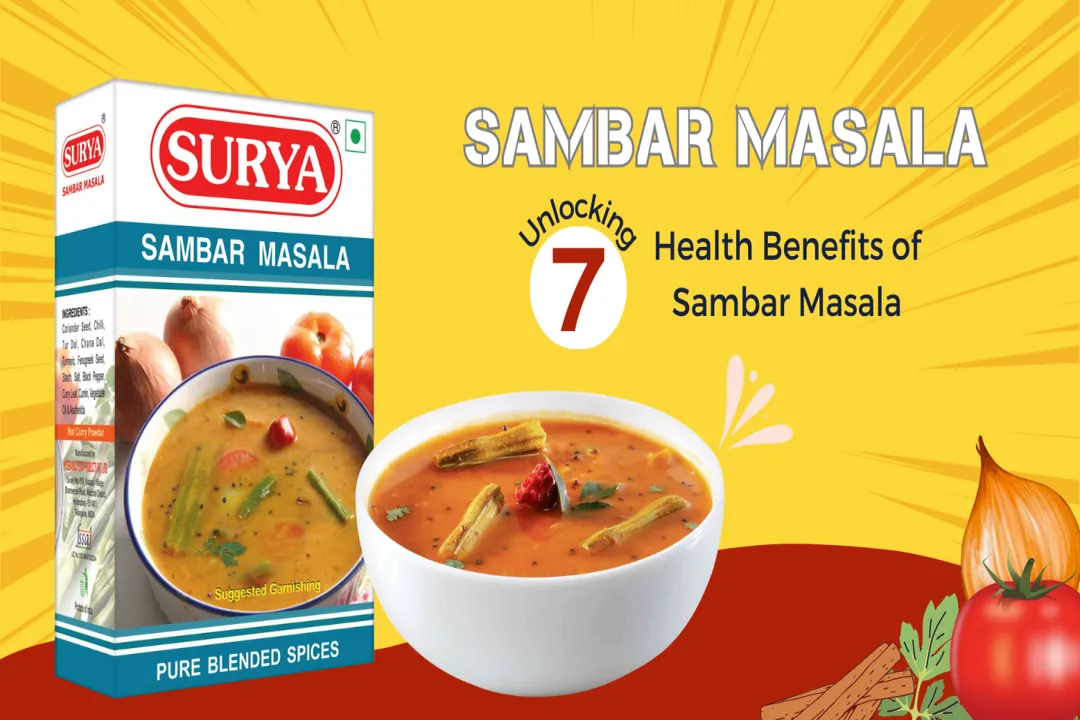
Sambar is defined by its signature blend of spices, the sambar masala. [4] This blend is far more than just a flavoring agent; it’s a medicinal cabinet in powder form, containing ingredients known traditionally and increasingly recognized scientifically for their digestive properties. [4]
Key spices often include fenugreek, coriander seeds, mustard seeds, cumin, dried red chilies, and turmeric. [4] Fenugreek, for instance, is known for its potential to aid in digestion and has been studied for its ability to soothe gastric irritation, although this is often anecdotal or based on traditional use. [4] Turmeric, thanks to its active component curcumin, brings potent antioxidant and anti-inflammatory properties to the dish, which can be beneficial for maintaining the integrity of the digestive tract lining. [4]
The combination of these spices, when consumed regularly as part of a balanced diet, may contribute to a more harmonious digestive environment. It is important to note the difference between the masala and the final dish; while the spices themselves offer targeted benefits, the overall effect on the stomach depends on the concentration and the rest of the meal's profile. [4]

# Vegetable Load
Sambar is typically loaded with various seasonal vegetables—drumsticks, carrots, pumpkin, brinjal (eggplant), and onions are common additions. [6] This ingredient diversity significantly boosts the overall nutrient profile, contributing essential vitamins, minerals, and, importantly, more dietary fiber. [6][9]
The intake of diverse vegetables ensures a broader spectrum of prebiotic material reaches the large intestine, further supporting the growth of the healthy microbial population. [9] For the stomach, which initiates the digestive process, the soft, cooked nature of these vegetables means they are relatively easy to break down, providing micronutrients without imposing excessive physical strain on the stomach acids or muscular contractions needed for initial breakdown. [6] This blend offers a high nutrient-to-effort ratio for the upper digestive tract.
# Gut Flora Support
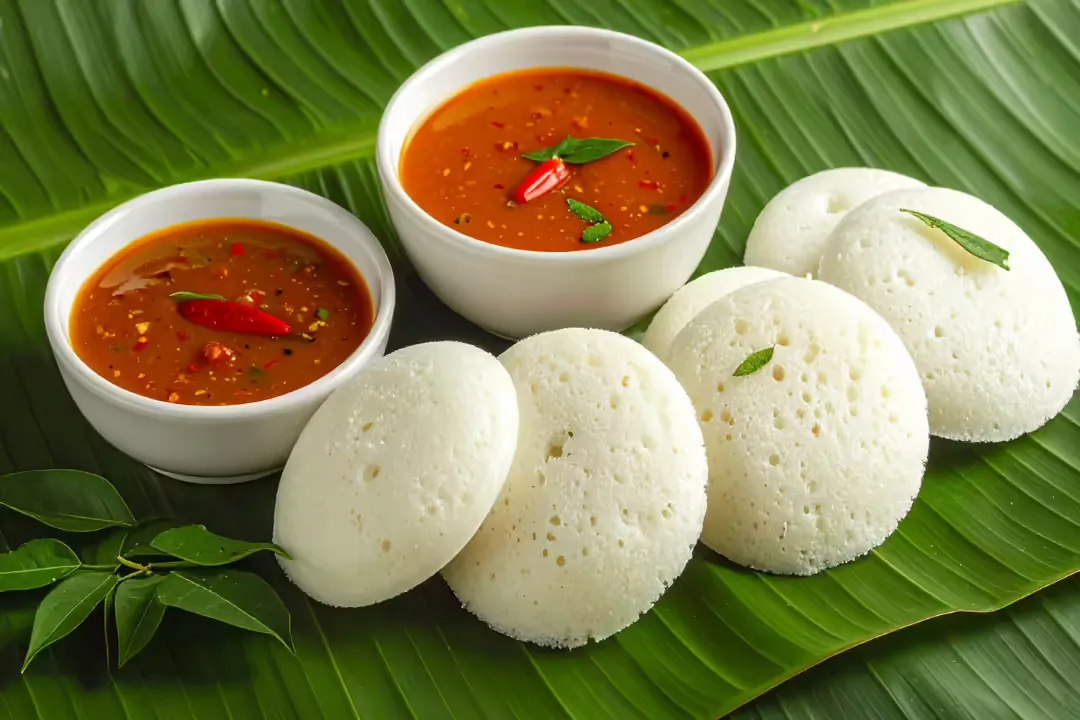
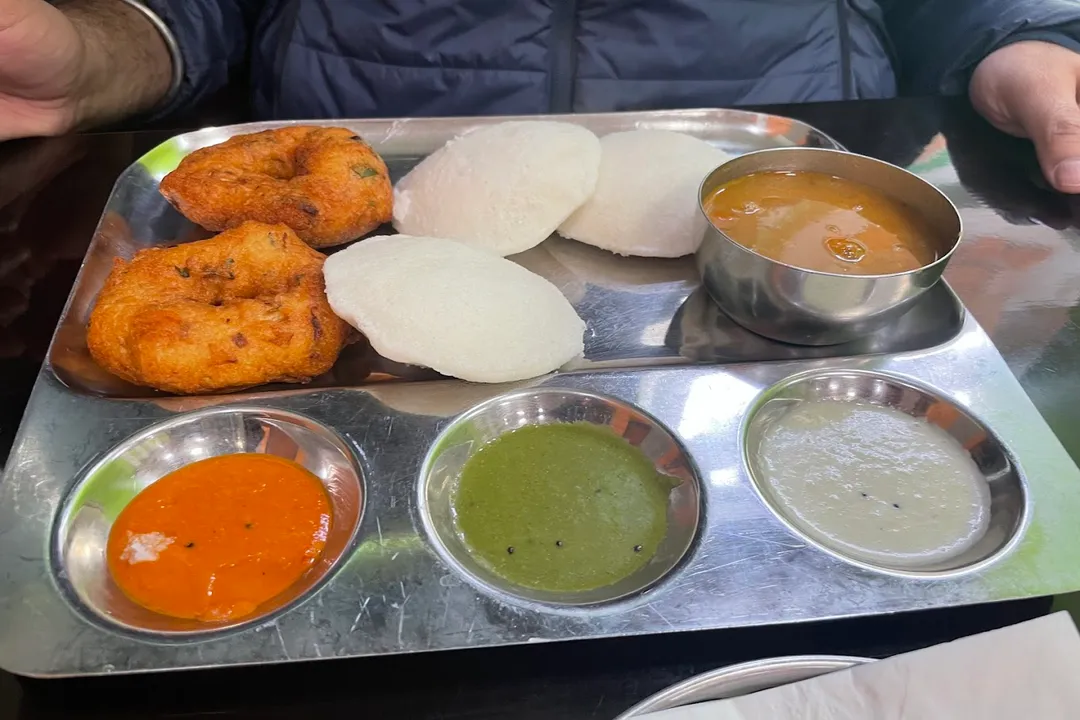
While sambar itself provides fiber, a substantial part of its benefit to the stomach (in the broad sense, encompassing the entire gastrointestinal tract) comes from its common pairing: idli or dosa. [7][8] Idli and dosa are made from a batter that is allowed to ferment, a process critical for gut health. [7]
Fermentation introduces beneficial live bacteria, or probiotics, into the food item. [7] When you consume idli or dosa dipped in sambar, you are providing both the substrate (fiber and resistant starch from the lentils and vegetables in the sambar) and the beneficial organisms (from the fermented base) to your colon. [7][9] This synergy is quite powerful: the probiotics get to work immediately, while the fiber in the sambar acts as food for these probiotics and the existing gut flora. [7] This dual action supports a balanced gut microbiome, which is linked to everything from improved nutrient absorption to better immune response, far beyond the immediate comfort of the stomach. [7]
For someone looking to actively improve their gut health, choosing a freshly steamed idli with sambar, rather than a deep-fried accompaniment, maximizes this benefit while minimizing fat intake. [1]

# Salt Danger Zone
No discussion on the health of the stomach or system when consuming sambar is complete without addressing the most significant potential downside: the salt trap. [3] Sambar, by nature, often contains considerable amounts of added salt, used both for flavor enhancement and preservation during preparation. [3]
Excessive sodium intake is a well-documented concern for cardiovascular health, but it also has implications for digestion and the stomach lining. [3] High salt intake can disrupt the natural balance of fluids and electrolytes in the digestive tract and may irritate the stomach lining in sensitive individuals. [3] While the fiber and nutrients in sambar are beneficial, if the salt content is too high—especially if consumed daily in large quantities—it can counteract the positive effects, particularly for those managing blood pressure or certain digestive sensitivities. [3]
This means that even the best-made sambar must be consumed with an awareness of the total sodium load for the day. One practical measure for home cooks is to significantly reduce the salt added to the dal and rely more heavily on the acidity from tamarind and the punch from the spices to carry the flavor. [3]
# Preparation Pitfalls
Beyond salt, the method of preparation dictates whether sambar remains a healthful dish or devolves into an inflammatory one. [1] A significant harm arises when sambar is poorly made or reheated improperly. [1]
If the recipe calls for excessive amounts of oil or ghee, the dish shifts from a light, fiber-rich stew to a high-fat meal. [1] While fats are necessary, an excess can slow down gastric emptying, potentially leading to feelings of heaviness, bloating, or indigestion, which are certainly not "good for the stomach". [1] The body must work harder to emulsify and process large amounts of fat, which can overwhelm the system, especially if one already has underlying gallbladder or pancreatic issues. [1]
Another pitfall is the use of low-quality ingredients or failing to cook the pulses thoroughly. [1] Undercooked lentils can be difficult to digest, leading to gas and bloating, as the complex starches and fibers are not properly broken down by heat, thus increasing the workload on the stomach and intestines. [9]
# Ingredient Quality Assessment
To better illustrate the impact of the core components, consider this simplified breakdown of typical sambar ingredients and their primary digestive interactions, focusing on their immediate impact on the GI tract:
| Ingredient Group | Example Component | Primary Contribution to Digestion | Potential Digestive Effect (When Properly Prepared) |
|---|---|---|---|
| Pulse | Toor Dal | Soluble and Insoluble Fiber, Protein | Promotes regularity, feeds beneficial flora [9] |
| Vegetable | Drumsticks/Carrots | Pectin, Complex Carbohydrates | Adds bulk, supports motility [6] |
| Spice | Fenugreek/Mustard | Bioactive compounds, mild irritants | Aids gastric emptying, flavor perception [4] |
| Tamarind | Tamarind Pulp | Natural acids (tartaric acid) | Can stimulate digestive secretions, aids breakdown |
This table highlights that the structure is inherently supportive, provided the preparation (the cooking process and salt addition) is managed correctly. [1][3]

# Digestive Synergy
The interaction between the temperature, texture, and composition of sambar and its accompaniments offers a subtle advantage that goes beyond the simple list of nutrients. When sambar is served hot, its warmth can actually help soothe the digestive tract upon entry. [8] The combination of easily digestible, softened vegetables and lentils, paired with a fermented food like idli, creates a meal that requires less aggressive enzymatic action in the stomach.
A key observation here is the speed of transit. A meal high in fiber, like a good sambar, generally moves more steadily through the system than a highly processed, low-fiber meal. [9] However, because the components (especially the lentils) are cooked down to a semi-liquid consistency, the stomach does not have to work as hard as it would breaking down a solid piece of meat or a very dry bread. This liquid medium helps suspend the fiber and nutrients, allowing for a more gradual and controlled release of energy and nutrients, which prevents the digestive shock that can occur with sudden, dense food loads. Think of it as a perfectly cushioned delivery system for complex nutrition. [8] This slow, steady transit is precisely what helps maintain good stomach comfort over the hours following the meal.
# Nutritional Snapshot
Focusing purely on the caloric and macro-nutrient profile of a standard serving can help place sambar in context regarding stomach load. While precise figures vary based on the exact vegetable and lentil ratios, a typical bowl offers a favorable macronutrient balance. [5] For instance, a standard serving might provide a significant portion of the daily recommended fiber while keeping saturated fats low, assuming traditional cooking methods are followed. [5][6]
This low saturated fat profile (when not drowned in oil) is crucial for stomach comfort, as high saturated fat content is notorious for slowing digestion and sometimes causing reflux or heaviness. [1] The protein and fiber work in tandem to maintain that feeling of fullness without creating a dense "pasty" feeling in the stomach that simple refined carbohydrates might cause. [9] If one were to track their intake, aiming for a sambar that derives less than 10-15% of its total calories from added fats would be a good benchmark for maximizing digestive comfort. [1][5]
# Consistency Control
One final, practical consideration for long-term stomach health when eating sambar relates to consistency of preparation. If you are eating sambar regularly, as many do, the slight variations in your homemade or restaurant-bought batches matter. [1][3]
A very watery, thin sambar might pass through too quickly, potentially leading to less nutrient absorption or increased transit time overall, while an overly thick, stew-like sambar might sit heavier. [9] The ideal consistency—one where the vegetables are soft but still hold some shape, and the dal is well-blended but not pureed—seems to strike the best balance for mechanical digestion in the stomach. [8] When spices are fresh and vegetables are in season, the natural flavors are heightened, allowing the cook to use less salt, further mitigating the risk highlighted by digestive health experts. [3][4] Maintaining this consistency, both in quality and preparation style, is perhaps the best way to ensure sambar remains a positive contributor to your digestive wellness rather than a source of occasional discomfort.
Related Questions
#Citations
Decoded: 7 health benefits of eating a bowl of idli and sambar and 3 ...
What Are The Different Benefits of Sambar? - Yenna Dosa
Sambar Health Benefits: Is It Truly Healthy or a Salt Trap?
Sambar Masala: 7 Health Benefits, Ingredients & Storage Tips
Sambar: Calories, Nutrition and Health Benefits | NutriScan App
Benefits Of Sambar: 6 More Reasons To Love The South Indian ...
Why Fermented Foods Like Idli & Dosa Are Great for Your Gut
Idli Sambar: A Nourishing Combination of Health and Taste
Sambar, an Indian Dish Prevents the Development of Dimethyl ...