Is the food good in Slovenia?
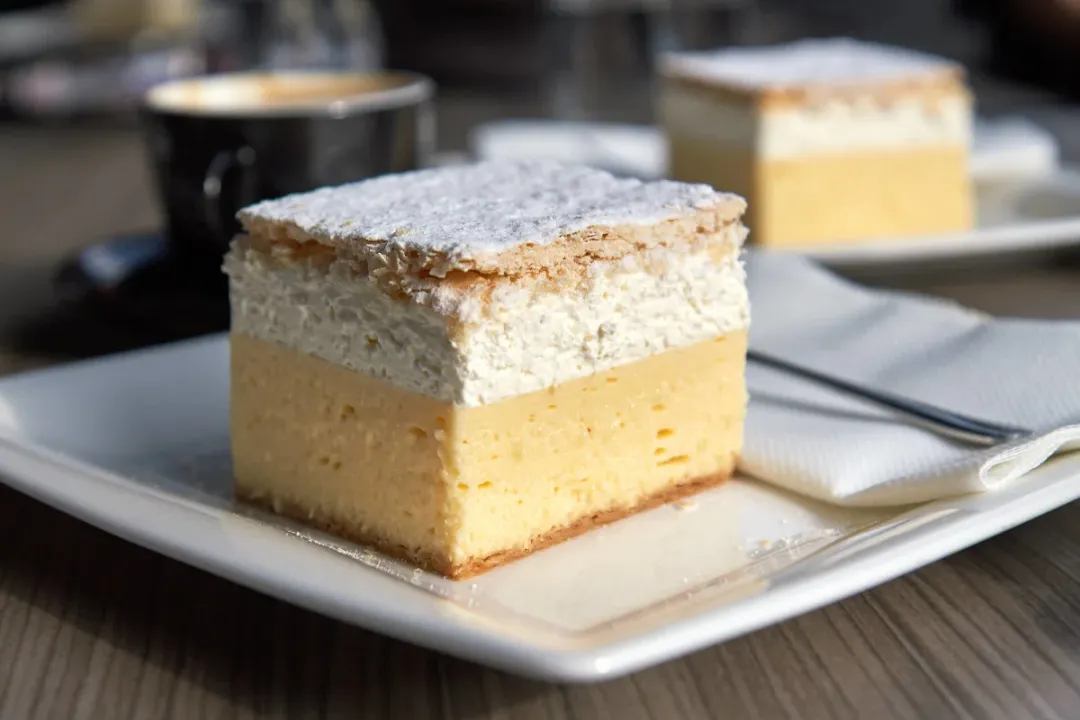
The food scene in Slovenia is often a delightful surprise for visitors, largely because the country’s compact size belies an astonishing culinary diversity shaped by its position at the crossroads of major European influences. [1][7] It is not a single cuisine, but rather a collection of regional tastes informed by its Alpine neighbors to the north, the Mediterranean coast to the west, and the Pannonian plains stretching toward Hungary and the Balkans. [1][3] If you enter with the expectation of a singular, heavy Central European menu, you might be missing the subtle coastal flavors or the vibrant freshness found closer to the Italian border. [3] Overall, Slovenian cuisine emphasizes fresh, high-quality local ingredients, delivering meals that are often hearty but deeply satisfying. [7]
# Regional Melting Pot
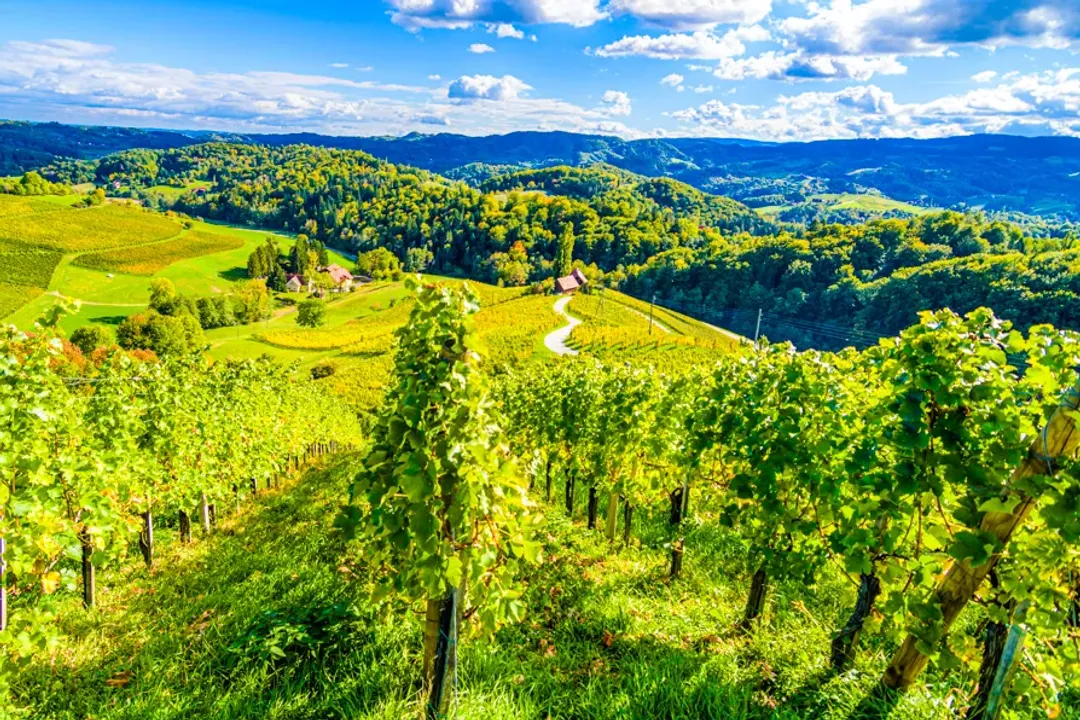
Slovenia effectively showcases four distinct culinary zones, each borrowing from its immediate cultural neighbors while maintaining a distinct local character. [1][7] This blending means that while there are common threads, you could eat in the Julian Alps one day and along the Adriatic coast the next and feel as if you’ve visited two different countries. [3]
The Alpine region, heavily influenced by Austria, favors rich, hearty fare. [1] Think substantial meat dishes, creamy sauces, and plenty of dumplings and pastries, suitable for the colder mountain climate. [7] On the other hand, the Pannonian or Eastern region shares affinities with Hungarian cooking, featuring more paprika, pumpkin seed oil, and sweet-and-sour profiles. [1][7]
Moving west, the Karst region has a pronounced Italian influence, meaning you’ll find excellent cured meats, prosciutto (often smoked or aged differently than Italian varieties), and a lighter touch with olive oil substituting for some of the inland butter use. [1][7] Finally, the small stretch of Mediterranean coast near Piran and Koper leans heavily into seafood, using garlic, herbs, and olive oil in ways that feel distinctly Adriatic. [3][7] Recognizing these regional splits helps a traveler understand why the menu in Ljubljana might look very different from one in Nova Gorica. [1]
# Iconic Dishes
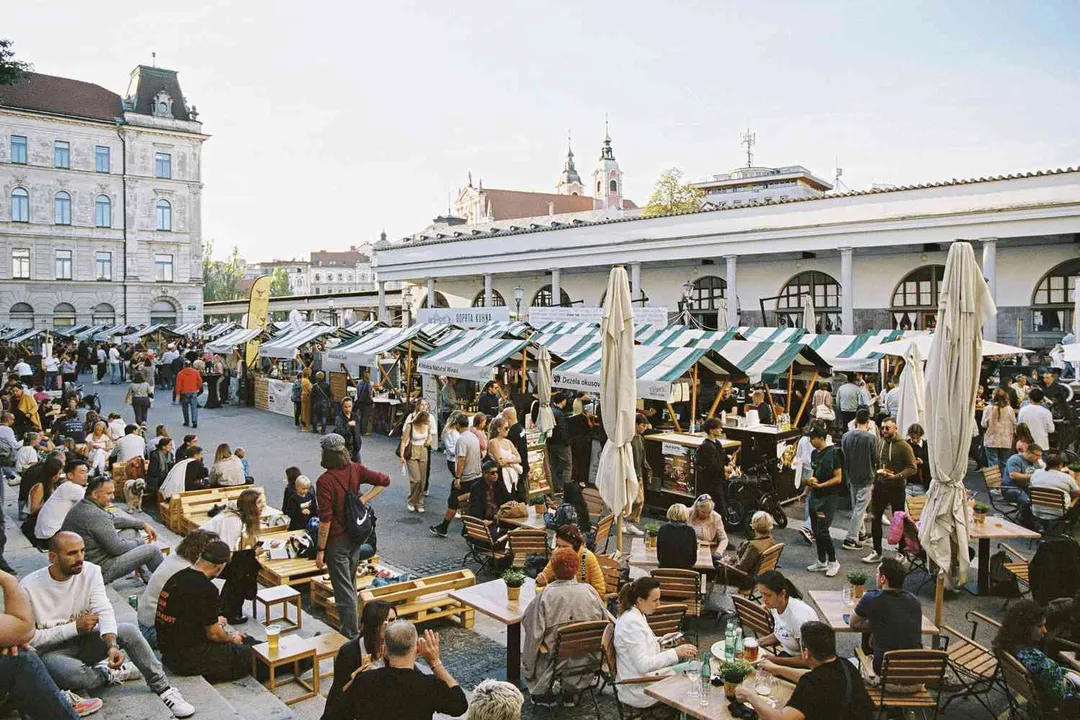
When discussing Slovenian food, certain names consistently come up, representing the nation’s culinary heritage. [4][5] These dishes are often built around simple, high-quality foundational ingredients—flour, pork, cabbage, and local herbs. [7]
The national sausage, Kranjska klobasa (Carniolan sausage), is perhaps the most famous export. [1][5] This protected geographical indication product is known for its delicate balance of cured pork, bacon, and spices like black pepper, garlic, and marjoram. [1] It’s typically smoked and served simply, often with sauerkraut or horseradish and a piece of crusty bread. [5]
Soups also play an important role, especially in the cooler months. Jota is a traditional, thick, and warming stew, usually made with sour turnip (sauerkraut), beans, potatoes, and often smoked meat or bacon for depth. [1][5] It’s the definition of rustic comfort food. [4]
Beyond these staples, the importance of štruklji cannot be overstated. [5] These are rolled dumplings, incredibly versatile, and can be prepared sweet or savory. [1][5] They can be boiled or baked and filled with cottage cheese, tarragon, walnuts, or even poppy seeds. [1] What makes them noteworthy is that they are intrinsically linked to regional identity; almost every part of the country claims a slight variation on the recipe. [5]
# Dumpling Depth
The prominence of dumplings in Slovenian cuisine—from štruklji to Idrijski žlikrofi—is a clear marker of its proximity to Central European culinary traditions where dough serves as the perfect vehicle for flavor. [1][5] While štruklji can be rolled into long tubes and sliced (like a roulade), Idrijski žlikrofi are distinctly shaped, small, hat-shaped pasta pockets, traditionally filled with potatoes and herbs, often seasoned with onion and lard. [5]
Comparing the two offers a good insight into local culinary distinction: Štruklji are often richer, sometimes resembling a baked pasta casserole if served that way, emphasizing the filling within a simple, thin dough layer. [1] Žlikrofi, conversely, function more like ravioli or pierogi, where the shape and precise filling determine the final experience, and they are usually served with a savory sauce or topping, like the classic bakalca (a lamb or mutton ragout). [5] A traveler looking to understand the nation’s starch-loving heritage would do well to order both in different regions to appreciate the subtle structural differences in dough preparation. [5]
# Sweet Endings
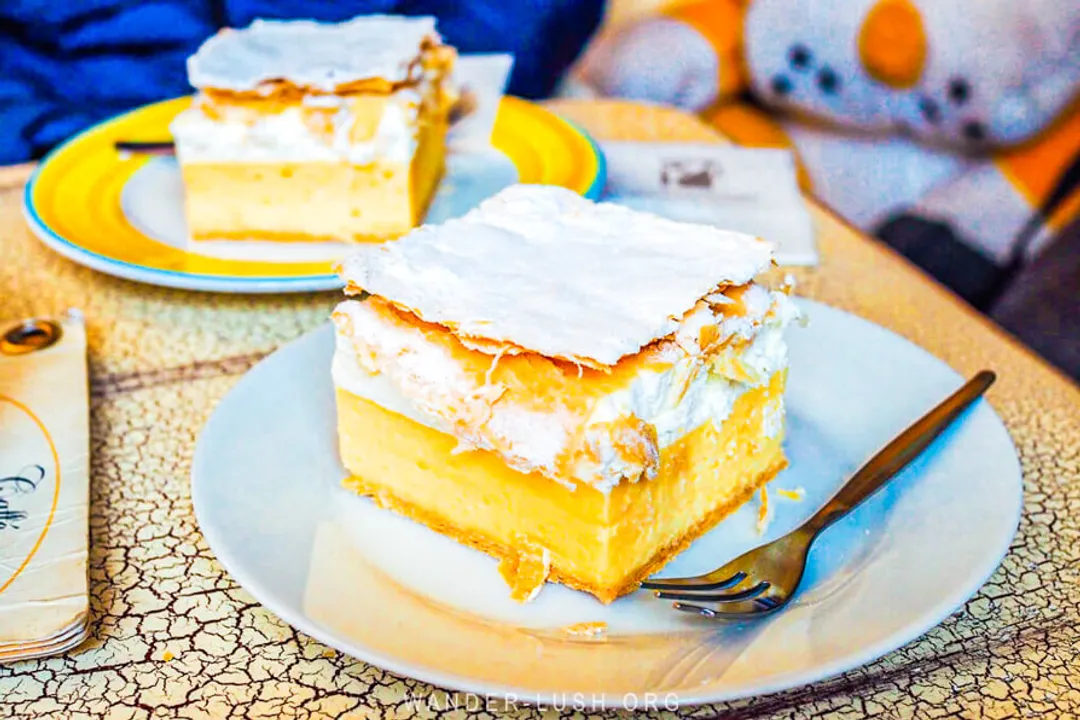
If the main courses are hearty, the desserts are often legendary, showcasing the area's access to quality dairy, nuts, and honey. [1]
Potica is the queen of Slovenian sweets, a rolled yeast bread cake with numerous regional variations on the filling. [1][5] The most classic filling is ground walnuts, but fillings involving poppy seeds, cottage cheese, tarragon, or even sesame seeds are common. [1] It’s a celebratory dish, traditionally prepared for holidays, and its making is often a generational art form, ensuring thin layers of dough wrapped tightly around the rich interior. [5]
Equally famous is Prekmurska gibanica, originating from the Prekmurje region in the northeast. [1][5] This is a layered pastry that demands attention, featuring distinct strata of poppy seeds, cottage cheese, walnuts, and apples, usually set over a buttery pastry base. [5] It's significantly denser and more complex than potica, offering a taste experience where you hit every flavor profile—sweet, tart, nutty, and creamy—in a single bite. [1]
To truly appreciate these baked goods, one useful tip is to seek out a pekarna (bakery) early in the morning, especially outside of the main tourist centers. While restaurants offer generous slices of gibanica, the freshest, most authentic versions of potica—where the dough hasn't dried out from sitting—are often found in local bakeries, sometimes even served warm, which is a textural treat few restaurants replicate. [7]
# Quality Produce and Drink
The quality of the ingredients available across Slovenia often elevates simple dishes to memorable meals. [7] The country’s commitment to slow food principles and respecting agricultural tradition translates directly to the plate. [2]
Wine production is significant, particularly in the eastern regions, with the Vipava Valley and Goriška Brda being particularly renowned. [2] The cuisine pairs beautifully with the local vintages, which range from crisp white wines like Rebula and Pinot Grigio (Pinot Gris) to robust reds. [2] The focus in many dining establishments is pairing the regional food—like Karst prosciutto—with the correct local wine, reinforcing the concept that the food and drink evolved together. [1]
Furthermore, Slovenian honey is globally respected. [1] It is common to see local producers selling dozens of different types of honey, demonstrating the varied flora that Slovenia’s diverse landscape supports. [2] This emphasis on provenance extends to dairy as well, with mountain cheeses often featured prominently in Alpine cuisine. [1]
# Perception and Value
In terms of flavor, many visitors describe Slovenian food as comforting, unpretentious, and honest—it tastes like what it is: good quality ingredients prepared thoughtfully. [10] It successfully navigates the middle ground between the creamy richness of Austria and the sharp, herbaceous quality of Italy. [3] While perhaps not as internationally renowned or spicy as some of its Balkan neighbors, the strength of Slovenian food lies in its ingredient focus and regional variations. [4]
It is helpful to consider the cost-to-quality ratio when evaluating Slovenian dining. Compared to many Western European capitals, dining in Ljubljana or even smaller towns often provides excellent value. [2] You can often find traditional gostilnas (inns) serving multi-course traditional meals that are both filling and reasonably priced, reflecting a strong local culture where food is meant to sustain, not just impress ostentatiously. [7]
To maximize the experience, it’s advisable to order the malica (lunch menu) if possible, which is a concept carried over from its socialist past but remains popular today. [4] These fixed-price lunch specials often feature regional specialties at a fraction of the dinner price, allowing a visitor to sample heavier items like jota or svinjska pečenka (roast pork) without committing to a full, expensive evening meal. [4]
Ultimately, the food in Slovenia is good because it is authentic and varied. It successfully weaves together the influences of its neighbors into a distinct, ingredient-driven national plate that rewards those who look beyond the capital city and explore the regional differences that the landscape dictates. [1][7]
#Videos
What Do SLOVENIA People Eat? Traditional Slovenia Food - YouTube
Related Questions
#Citations
Best Slovenian Food: 12 Must Try Local Dishes - Enriching Pursuits
This Tiny Central European Country Is a Food Lover's Dream
I need advice on Slovenian cuisine : r/Slovenia - Reddit
What to eat when you are in Slovenia - The best Slovenian food
10 Slovenian dishes you must try | Altitude-Activities.com
The Best Slovenian Food and Drink | Guide to Food from Slovenia
Traditional Slovenian Food – What to Eat in Slovenia
What are the best foods or meals that we should try in Slovenia?
What Do SLOVENIA People Eat? Traditional Slovenia Food - YouTube
What is the taste of Slovenian food? - Quora