Health Benefits of Mung Bean
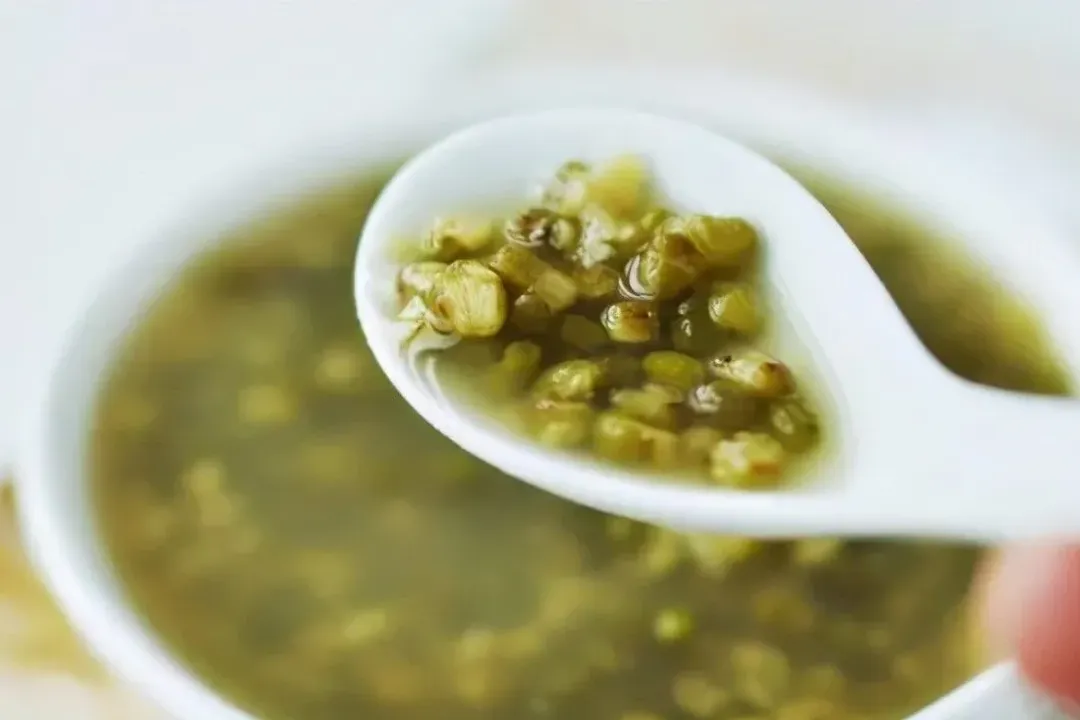
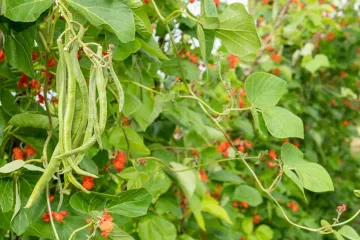
The unassuming mung bean, Vigna radiata, a small green pulse native to India, has earned its place not just in the global pantry but also in traditional and modern medicine cabinets across Asia. Far from being a mere side dish, this legume provides a powerhouse of nutrition and a surprising array of bioactive compounds that scientists are now actively characterizing. Whether consumed whole, de-husked as moong beans, or eaten as tender sprouts, the mung bean offers substantial benefits ranging from metabolic regulation to immune support, often serving as an affordable cornerstone in high-quality diets. [3]
# Nutrient Density
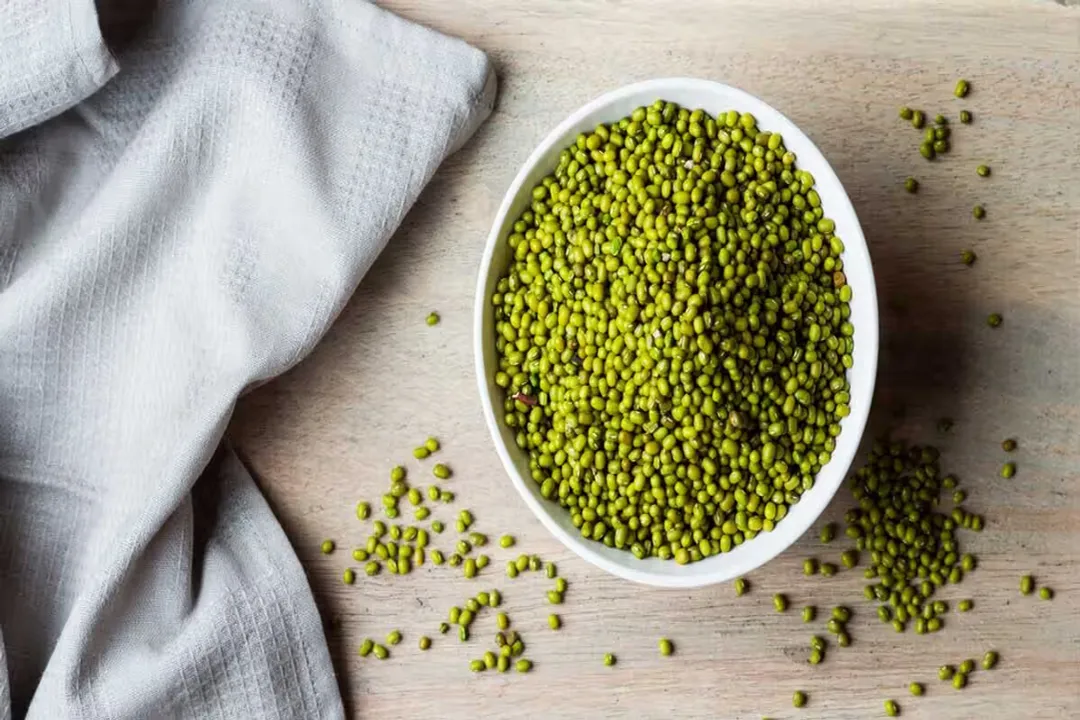
A core reason for the mung bean’s widespread recognition lies in its impressive nutritional profile. Dry mung beans are notably protein-dense, supplying about $21-32%$ high-digestibility protein by weight. [3] For those prioritizing plant-based nutrition, this makes it a valuable source, rich in essential amino acids like lysine, leucine, and arginine, which complement the amino acid profiles of common cereal grains when eaten together. [4][5]
When looking at a standard cup () of cooked mung beans, the immediate benefits become clear: over of protein and an exceptional of dietary fiber are delivered alongside energy. [4] Micronutrient density is also high, with one serving providing about $80%$ of the Reference Daily Intake () for Folate (), and significant amounts of Manganese, Magnesium, Phosphorus, Iron, Copper, Potassium, and Zinc. [4] Magnesium, in particular, is noted for its role in maintaining healthy bone structure. Furthermore, mung beans are a good source of several vitamins, specifically thiamine () and pantothenic acid (), which support proper nervous system function and help combat feelings of fatigue.
It is fascinating to note that the nutritional composition shifts as the bean is processed. Sprouted mung beans, for instance, tend to have fewer calories but an increase in free amino acids and a greater concentration of antioxidants compared to their unsprouted counterparts. [4][5] This transformation highlights that the way we prepare this staple profoundly influences its potential health impact.
# Processing Effects
The ancient practices of soaking, boiling, germinating, or fermenting mung beans are not just about improving texture or palatability; they are crucial for enhancing nutrient bioavailability and reducing potential drawbacks. [3][5] Many legumes contain anti-nutritional factors like phytic acid, which can bind essential minerals such as iron, zinc, and magnesium, thereby limiting their absorption. [5] Traditional processing methods effectively combat this. Germination, for example, has been documented to reduce phytic acid levels by approximately $76%$, leading to increases in iron bioavailability by about $2.4$-fold and zinc bioavailability by $3.0$-fold compared to raw beans. [3][5] Fermentation and simple cooking offer similar benefits in neutralizing these inhibitors and improving mineral uptake. [3]
This enhancement of nutrient availability underscores a fundamental principle in incorporating whole foods into the diet: the preparation method is as vital as the food choice itself. A practical approach, therefore, is to routinely incorporate these processing steps—whether it’s overnight soaking before cooking dal or actively encouraging sprouting for salads—to unlock the full spectrum of minerals mung beans hold. Furthermore, traditional Chinese medicine views mung beans as cooling and sweet, often recommending them refrigerated when consumed to combat summer heat, while suggesting thicker, room-temperature soup for skin conditions.
# Metabolic Guardianship
Perhaps one of the most researched areas concerning mung beans is their positive influence on metabolic health, specifically concerning blood sugar and lipid profiles. [5] This effect is largely attributed to the legume’s carbohydrate structure and bioactive components.
# Blood Sugar Regulation
Mung bean starch is characterized by a low glycemic index () due to a higher content of amylose compared to other pulses, such as waxy cornstarch. [5] Starch granules are tightly packed within a viscous fiber matrix, which slows gastric emptying and carbohydrate absorption, leading to a reduced, slower rise in blood sugar. [3] Clinical data supports this, with studies showing that mung bean noodles (made from pure starch) resulted in low metabolic responses, similar to raw wheat starch. [5] Furthermore, the combination of high fiber and protein content aids in regulating blood sugar by slowing sugar release and potentially influencing satiety hormones like . [3][4] Specific antioxidants, namely vitexin and isovitexin, found in the beans have also been shown in biochemical tests to inhibit enzymes like -glucosidase and reduce the formation of advanced glycation end-products (), key mechanisms in managing hyperglycemia. [5]
# Cholesterol Management
High levels of LDL "bad" cholesterol () are a known contributor to cardiovascular risk. [4] Mung bean consumption has demonstrated the ability to modulate the lipid profile. Animal studies indicate a reduction in both total cholesterol () and while potentially increasing ("good" cholesterol). [3][4] The mechanisms explored in preclinical models suggest that mung bean protein isolate can downregulate key genes involved in fat synthesis in the liver (, , ). [5] Moreover, the presence of bioactive peptides and fiber may enhance bile acid excretion and decrease overall cholesterol absorption, helping to maintain healthier blood lipid levels. [3][5]
# Cardiovascular Action
Beyond cholesterol, mung beans exhibit protective effects on the broader cardiovascular system, touching upon blood pressure and vascular health. [3] High blood pressure (hypertension) is a significant global health concern. [4] Mung beans may assist in management through several pathways. Their inherent high content of potassium, magnesium, and fiber is independently linked to a lower risk of hypertension. [4] More directly, peptides derived from mung bean protein have been shown in vitro to act as Angiotensin-Converting Enzyme () inhibitors. [3][5] Since is a key protein in blood pressure regulation, inhibiting it helps relax blood vessels. [4] Human clinical data is emerging; one trial noted that consumption of mung bean protein isolate stabilized fasting plasma glucose and insulin levels, and significantly decreased triglyceride levels in subjects with hyperlipidemia, suggesting improved insulin sensitivity, which is often linked to better vascular health. [5] Another trial using protein hydrolysates in hypertensive rats showed a significant, lasting drop in systolic blood pressure. [5]
# Gut Health Support
The digestive system benefits markedly from mung beans, primarily due to their substantial fiber content—a full cup provides nearly . [4] Mung beans contain both soluble and insoluble fiber. [4] The soluble fiber, such as pectin, helps regulate bowel movements by influencing the speed at which food moves through the intestines. [3][4] Insoluble fiber adds bulk, promoting comfortable transit.
Crucially, mung beans contain resistant starch, which functions as a prebiotic, feeding beneficial gut microbes. [3][4] The colonic fermentation of these fibers generates short-chain fatty acids (), particularly butyrate. [3] Butyrate is essential; it nourishes the cells lining the colon, reinforces the gut's immune defenses, and may help mitigate low-grade, systemic inflammation—a factor implicated in metabolic disorders. [3][4] Interestingly, one review noted that the carbohydrates in mung beans might be easier to digest than those in other legumes, potentially causing less flatulence, which is a common hurdle when incorporating pulses into the diet. [3]
# Bioactive Components Unveiled
The non-nutritive compounds within mung beans—polyphenols, polysaccharides, and peptides—are responsible for many of their sophisticated health effects documented in preclinical research. [5]
# Polyphenols
The seed coat is particularly rich in these compounds. [5] Flavonoids, such as vitexin and isovitexin, are the most abundant flavonoids identified. [5] These compounds are powerful antioxidants that neutralize damaging free radicals, reducing oxidative stress implicated in conditions like cancer, diabetes, and Alzheimer’s disease. [4][5] Vitexin and isovitexin are central players, showing activity against high blood sugar, high fat accumulation, and even tyrosinase, the enzyme related to skin pigmentation. [5] The phenolic acids present, including ferulic, caffeic, and p-coumaric acids, add to this free-radical scavenging power. [3] It is worth noting that sprouting significantly boosts the concentration of both total phenolic acids and flavonoids, sometimes by several times compared to the raw seed. [5]
# Peptides and Polysaccharides
Mung bean proteins, when broken down through digestion or enzymatic hydrolysis (like using alcalase), yield bioactive peptides. [5] Small molecular weight peptides () have shown potent inhibitory and antioxidant activities. [5] These peptides, often rich in hydrophobic amino acids, are being studied for their direct role in blood pressure control. [5]
The polysaccharides in mung beans, often components of the non-starch fiber, are also linked to immune modulation. [5] Specific isolated polysaccharides have demonstrated antioxidant capacity and the ability to activate macrophages—key cells in innate immunity—by promoting the release of nitric oxide () and pro-inflammatory cytokines in vitro. [5]
# Anti-Inflammatory Action and Traditional Healing
Inflammation is now understood as a backdrop to numerous chronic ailments, including metabolic syndrome and heart disease. [3][5] Mung beans exhibit potent anti-inflammatory effects. They can significantly reduce the expression of pro-inflammatory mediators like , , and in stimulated immune cells. [5] This anti-inflammatory action appears to be conferred by multiple components, including polyphenols like vitexin and isovitexin, and potentially phenolic acids working together. [5]
This scientific finding provides a modern parallel to long-standing traditional uses. In Traditional Chinese Medicine (), mung beans are used to "clear heat" and "detoxify". [5] The concept of clearing heat—which manifests as fever, thirst, and irritability—aligns neatly with the scientific understanding of reducing systemic, low-grade inflammation and regulating stress responses caused by high temperatures (heatstroke). [3] For skin issues like acne and boils, the cooling nature of the bean is believed to clear heat and toxins from the blood and skin channels.
# Specialized Applications
The bioactivity extends into other critical areas of health:
- Hepatoprotection: Extracts from mung beans, particularly germinated and fermented versions, have shown significant protective effects against liver injury caused by alcohol or high-fat diets in animal models. [5] They achieve this by boosting the liver's internal antioxidant defenses (, ) and reducing lipid accumulation and oxidative damage. [5]
- Anticancer Potential: In vitro studies suggest that mung bean extracts and isolated proteins can exhibit dose-dependent anti-proliferative effects against various cancer cell lines, including those for breast and cervical cancer. [5] Mechanisms identified include inducing apoptosis (programmed cell death) via caspase pathways and cell cycle arrest, potentially regulated by proteins like . [5]
- Skin Health (Anti-Melanogenesis): Vitexin and isovitexin have been shown to inhibit tyrosinase activity, the enzyme responsible for melanin production, suggesting a role in managing skin pigmentation issues. [5]
# Clinical Reality and Next Steps
While the body of in vitro and animal research is extensive, pointing toward a broad spectrum of health benefits, the authors of systematic reviews emphasize the urgent need for more extensive, long-term human clinical trials to validate dosage and durability across diverse populations. [3][5]
Human data has primarily confirmed the low advantage of mung bean starch, demonstrating lower postprandial glucose appearance compared to cornstarch. [5] Additionally, a clinical trial in prediabetes patients indicated that of mung bean protein consumed twice daily for $12$ weeks helped stabilize fasting plasma glucose and insulin, especially in subjects carrying visceral fat. [5] Another trial showed that of protein isolate decreased insulin levels over eight weeks. [5] These findings suggest that targeted supplementation with isolated protein fractions may be effective for metabolic support in specific patient groups.
Despite the excitement, caution is warranted. In the context of traditional wellness, individuals with a cold body constitution or chronic diarrhea are advised against consuming large amounts of mung beans due to their cooling nature. For the general public, introducing beans slowly prevents gas and digestive discomfort, though mung beans are generally considered easier to digest than many other legumes. [4] Pairing them with warming spices like ginger, cumin, coriander, and turmeric is a traditional method to aid digestibility.
# Culinary Integration
Mung beans are incredibly flexible in the kitchen, easily incorporated into many forms of cuisine. They can replace meat or lentils in curries, be used in salads, or be ground into pastes or used to make noodles and porridges. [3][4] For cooking dried beans, a minimum of $8$ hours of soaking, followed by boiling until tender (up to $45$ minutes), is often required.
If you're looking to maximize the health impact while ensuring ease of digestion, consider making fritters. For a quick, practical dinner, blending half the soaked and rinsed beans into a paste with herbs like cilantro, green onion, and spices, then mixing it with the remaining whole beans before baking, provides texture and flavor while ensuring the beneficial compounds are well-integrated into the final dish. This approach of blending textures might also be a good way to manage potential digestive sensitivity to the whole, intact hulls. The simplicity, low cost, and high nutritional yield of the mung bean cement its status as a food with true functional value, supporting everything from gut health to cardiovascular strength.
#Videos
Mung Beans | Nutrition with Context - YouTube
Related Questions
#Citations
10 Impressive Health Benefits of Mung Beans - Healthline
What Are the Health Benefits of Mung Beans? - News-Medical.Net
Mung Bean (Vigna radiata L.): Bioactive Polyphenols ...
Mung Beans | Nutrition with Context - YouTube
Mung beans help to clear body heat, reduce skin inflammation and ...
Mung Bean Guide | Benefits, Nutrition & More - Holland & Barrett