Which part of fennel is superior for adding bulk and fresh nutrients to meals?
Answer
The bulb
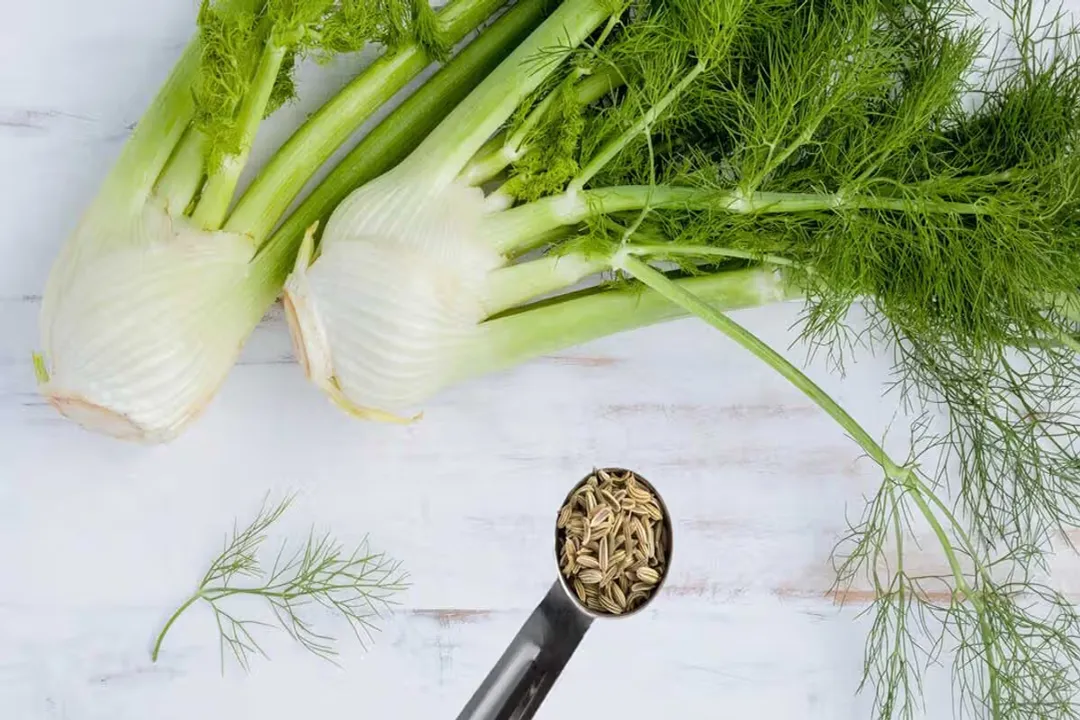
While both the bulb and the seeds of fennel offer significant health advantages, their primary utilities in cooking and nutrition differ based on their structure and composition. The bulb is the part of the plant favored when the objective is to increase the physical volume of a meal while simultaneously boosting intake of water-soluble nutrients. The bulb is superior because it contains a high water content and is the primary source for substantial amounts of Vitamin C and potassium. Consequently, for general daily vegetable intake, such as in slaws or salads, the bulb is the preferred and more effective component for adding fresh, voluminous nutrition, whereas the seeds offer a more concentrated dose of volatile oils.
Related Questions
How many calories does approximately 87 grams of raw fennel bulb contain?What is the primary cardiovascular function of potassium found in fennel?Which volatile oil is primarily responsible for fennel's characteristic flavor?How does soluble fiber in fennel positively affect cholesterol levels?What plant compounds are thought to support female hormonal balance in fennel?What culinary process intensifies the aromatic oils in fennel seeds?Which micronutrient, or its precursor, is crucial for good vision mentioned regarding fennel?What mechanism do essential oils in fennel use to ease digestive discomfort?Which part of fennel is superior for adding bulk and fresh nutrients to meals?What is the role of anethole, fenchone, and estragole in controlling inflammation?