Health Benefits of Fennel
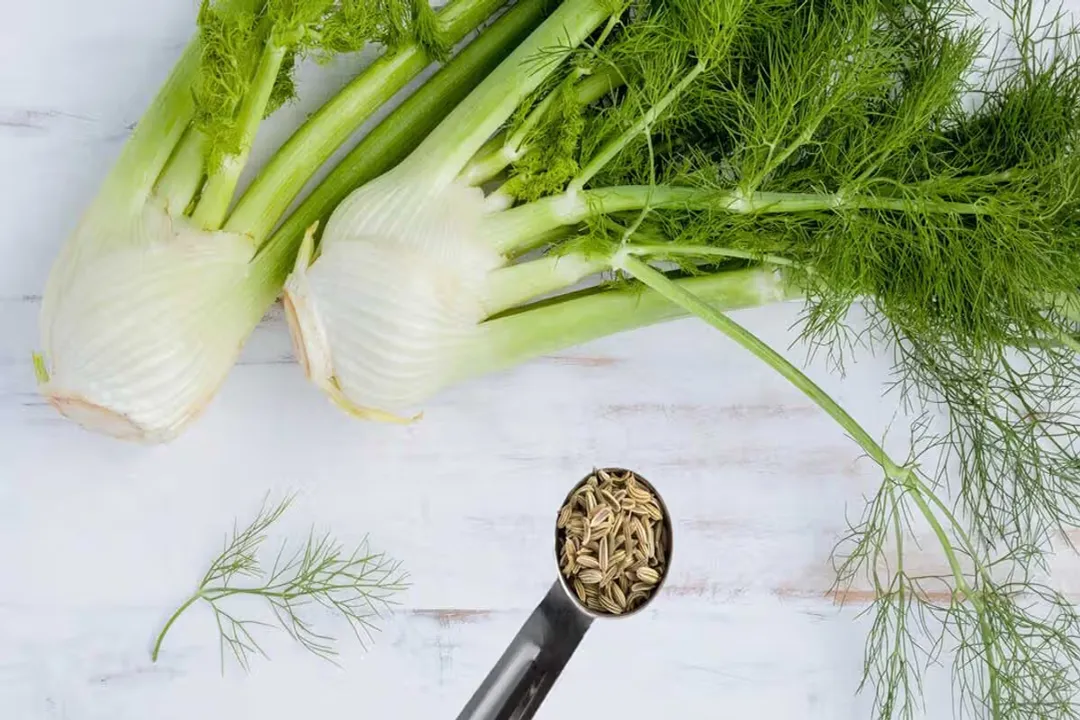
Fennel, with its delicate anise-like flavor and striking appearance, offers more than just a pleasant addition to salads or a fragrant garnish; it provides a surprising array of health advantages that span from soothing the digestive system to supporting long-term wellness. [3][8] This versatile plant, where the bulb, stalks, and seeds are all edible, has a long history of use in various traditional remedies, often appreciated for its distinct taste and beneficial properties. [8][9] Whether you enjoy the crunchy, mild bulb raw, braised, or use the tiny seeds as a digestive aid after a meal, incorporating fennel into your routine is a simple way to boost your nutritional intake. [2][4]
# Nutritional Profile
Delving into the makeup of fennel reveals why it earns its reputation as a healthy choice. [1] The bulb portion, in particular, is quite low in calories, making it a nutrient-dense option for those managing their weight. [1][2] For instance, one cup of raw fennel bulb, which is approximately 87 grams, contains only about 27 calories. [1]
The plant is an excellent source of several vital nutrients. It provides significant amounts of Vitamin C, an important antioxidant that helps protect cells from damage and is necessary for collagen production. [1][2][3] A single cup of raw fennel bulb supplies nearly the entire recommended daily intake for Vitamin C. [1] Beyond that, fennel is rich in potassium, a mineral that plays a key role in regulating blood pressure and fluid balance within the body. [1][3] It also contributes notable amounts of folate, which is essential for cell division, and manganese, a mineral involved in bone formation and metabolism. [1] Furthermore, it contains dietary fiber, contributing positively to digestive health. [1][2]
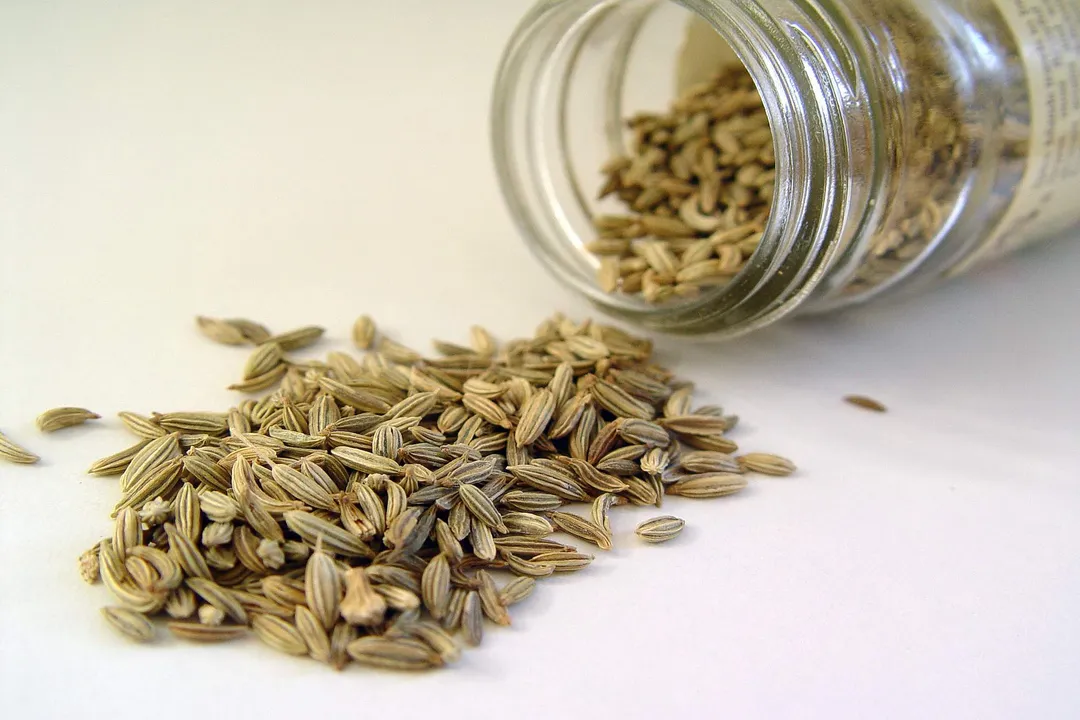
Fennel seeds, while smaller, pack a concentrated punch of certain components. They contain volatile oils like anethole, which is responsible for much of the plant's characteristic flavor and many of its purported health effects. [3] When looking at the minerals, both the bulb and seeds offer good amounts of magnesium, necessary for muscle and nerve function, and iron, which is crucial for transporting oxygen in the blood. [1][3]
# Digestive Support
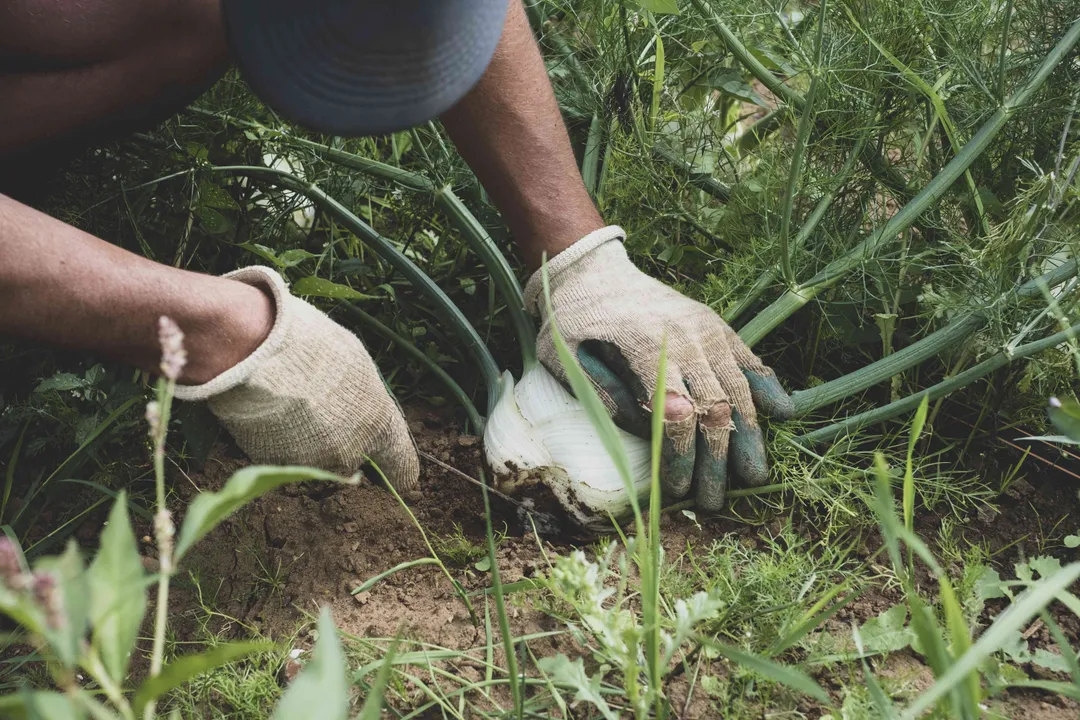
Perhaps the most widely recognized traditional use of fennel relates to supporting the gastrointestinal tract. [3][6] Fennel has been historically used to combat issues like indigestion, bloating, and gas. [1][3] This effect is often attributed to its essential oils, which contain compounds that may help relax the smooth muscles of the digestive tract, potentially easing spasms and discomfort. [3]
For those struggling with chronic or occasional digestive upset, consuming fennel tea is a traditional remedy. [6] Boiling the seeds in water creates a warm infusion believed to soothe the stomach lining and aid the passage of food. [6] In many cultures, chewing on fennel seeds after a meal—a practice common in India, for example—is a way to freshen breath and stimulate digestion simultaneously. [5]
The fiber content in fennel also plays a direct role in gut regulation. [2] Fiber adds bulk to stool, which can help keep bowel movements regular and prevent constipation. [1][2] If you are looking to increase your fiber intake naturally, substituting traditional, less fibrous vegetables with fennel bulb in stir-fries or slaws is an easy switch that retains water content, aiding the digestive process. [4] It is worth noting that while the seeds and bulb offer similar benefits, the concentration of volatile oils might differ, leading to varied immediate effects, with the seeds often being cited more frequently for acute digestive relief. [3][5]

# Heart Health
Maintaining cardiovascular health involves managing several key factors, including blood pressure and cholesterol levels, and fennel appears to assist in these areas. [3] The presence of potassium in fennel is significant here; this mineral works as a vasodilator, helping to counter the effects of sodium and relax the walls of blood vessels, thereby potentially lowering overall blood pressure. [1][3]
Beyond potassium, the fiber found in fennel can also contribute positively to heart wellness. [3] Soluble fiber has the capacity to bind with bile acids in the gut, which encourages the body to excrete cholesterol rather than reabsorbing it into the bloodstream. [3] This mechanism can lead to lower levels of LDL, or "bad" cholesterol. [3] Furthermore, fennel contains small amounts of antioxidants, which help protect the delicate structures of the heart and blood vessels from oxidative stress, a known contributor to cardiovascular disease development. [3]
# Inflammation Control
Fennel, both the bulb and the seeds, is rich in various plant compounds known for their antioxidant and anti-inflammatory properties. [3] Key players include Vitamin C, which is a well-known antioxidant. [1][3] Additionally, the volatile oils present in fennel contain compounds such as anethole, fenchone, and estragole. [3] These compounds are believed to actively help neutralize harmful free radicals in the body. [3]
Oxidative stress—the imbalance between free radicals and the body's ability to detoxify their harmful effects—is linked to chronic inflammation and the development of various chronic diseases. [3][7] By supplying these protective antioxidants, regular consumption of fennel may help dampen systemic inflammation over time. [7] While the scientific evidence continues to build, the presence of these specific phytochemicals suggests a protective role that goes beyond basic vitamin and mineral supply. [3][7]
# Hormonal Regulation
Certain traditional uses of fennel point toward its potential role in supporting female hormonal balance. [1][8] Historically, fennel preparations, often in the form of tea made from the seeds, have been used to address menstrual discomfort and irregularities. [1][6]
The mechanism is thought to involve phytoestrogens, which are plant compounds that can weakly mimic the effects of estrogen in the body. [8] By interacting with estrogen receptors, these compounds might help modulate the body's hormonal ebb and flow. [8] Some studies suggest fennel extracts might also help alleviate symptoms associated with premenstrual syndrome (PMS). [8] This area warrants further detailed human clinical investigation, but the long-standing traditional application suggests a noticeable effect for many individuals seeking natural menstrual support. [1][8]
# Blood Sugar Management
Managing blood sugar levels is a critical aspect of maintaining metabolic health, and fennel may offer some benefits in this regard. [3] Some animal studies have indicated that fennel extracts might help lower blood sugar levels. [3] This effect could stem from the bioactive compounds within the seeds and bulb, which may improve the function of pancreatic cells responsible for producing insulin or enhance the body's ability to use the insulin it produces. [3]
The fiber content also plays an indirect but important role. Foods high in fiber, like fennel, generally lead to a slower, more gradual release of sugar into the bloodstream after a meal compared to low-fiber options. [2][3] This slowing effect helps prevent sharp spikes in glucose, promoting more stable energy levels throughout the day. When preparing a meal, pairing fennel with refined carbohydrates can be a smart strategy to manage the overall glycemic impact of the plate.
# Culinary Preparation Tips
Understanding how to prepare fennel can maximize both its flavor and the health benefits you receive. [4] The bulb is the most commonly eaten part in Western cooking and is known for its crisp texture and mild licorice note when raw. [4]
# Bulb Usage
When raw, the bulb should be sliced thinly, perhaps using a mandoline for uniform pieces, and added to green salads or slaws for crunch and a slight sweetness. [4] It pairs well with citrus dressings because the acidity complements the anise flavor. [4] To mellow the flavor and bring out a sweeter profile, consider braising or roasting the bulb. [4] Roasting, especially cutting the bulb into wedges and tossing it with olive oil and salt, caramelizes its natural sugars, resulting in a tender, almost sweet onion-like texture. [2]
# Seed and Frond Use
Do not discard the feathery green fronds; they are edible and can be used as an herb, similar to dill, sprinkled over fish, soups, or yogurt dips. [4] Fennel seeds, however, require different handling. As mentioned, they are excellent for brewing tea. [6] For cooking savory dishes, the seeds can be toasted lightly in a dry pan before use; this process, known as dry roasting, intensifies their aromatic oils, making them pop with flavor when added to spice rubs for meat or incorporated into breads. [5]
# Contrasting Parts
It is interesting to note the difference in concentration of certain benefits between the bulb and the seeds, though both are healthful. [3] The bulb is generally favored for its volume, water content, and high Vitamin C and potassium load, making it superior for adding bulk and fresh nutrients to meals. [1][4] The seeds, being dried, offer a more concentrated source of the volatile oils (like anethole) that are often credited with the strong carminative (gas-relieving) effects and the distinct flavor. [3][5] If your primary goal is immediate relief from bloating after a heavy meal, a small amount of crushed seeds or a simple tea might be more effective than eating a large salad of raw bulb, yet the bulb remains the better source for daily vegetable intake. [6]
# Hydration and Detoxification
Fennel has a high water content, which naturally aids in overall hydration when consuming the bulb raw or lightly cooked. [1] Furthermore, while the concept of "detoxification" is often oversimplified, the diuretic properties sometimes attributed to fennel can support the body's natural processes of filtering and excreting waste products via the urinary tract. [1][8] This mild diuretic effect, often associated with compounds in the seeds or a strong tea infusion, helps the body manage excess fluid retention. [8]
# Eye Health
A specific micronutrient often highlighted regarding fennel is Vitamin A, which is crucial for good vision. [1] While fennel isn't the absolute highest source, it contributes to the overall intake of nutrients essential for maintaining the health of the eyes. [1] Vitamin A, or its precursor beta-carotene, is vital for the function of the retina and protecting the surface of the eye. [1]
Considering the high level of Vitamin C found in the bulb, this nutrient also supports eye health by protecting the delicate structures from oxidative damage caused by environmental factors like UV light. [3] Incorporating both the raw bulb for its vitamin content and the seeds in a daily routine contributes to a protective nutritional layer for long-term visual acuity.
# Final Consideration for Integration
When thinking about maximizing the benefits of fennel, consistency is key, much like with any whole food. [7] A single serving is unlikely to revolutionize your health markers, but regular, mindful inclusion of this vegetable and its seeds can contribute positively to dietary patterns already favoring heart health, stable digestion, and adequate antioxidant intake. [7] For instance, if you often find yourself reaching for a sugary snack mid-afternoon due to an energy dip, try chewing a small pinch of dry-roasted fennel seeds instead; the complex flavor profile often satisfies the need for something interesting without spiking blood sugar, offering an improved sensory experience over simply swallowing an antacid or reaching for simple carbohydrates. [5] This small adjustment transforms fennel from a mere side dish into an active component of managing daily energy and craving control.
Fennel stands out as a highly functional food—it is low in calories, dense in essential vitamins and minerals like C and potassium, and rich in unique phytochemicals that support digestion, heart function, and antioxidant defense. [1][2][3] Its dual nature as a crisp vegetable and a potent seed makes it easy to integrate into a wide variety of meals and preparations across different culinary styles. [4][5]
Related Questions
#Citations
Fennel: Health Benefits, Nutrients, and Recipes - WebMD
Top 10 health benefits of fennel - BBC Good Food
Fennel and Fennel Seeds: Nutrition and Benefits - Healthline
It's Fennel-ly Summer! - Kendall Reagan Nutrition Center
4 Fennel Seeds Benefits to Know - Tom's of Maine
Fennel Tea: What Is It, Benefits, Consumption
Foeniculum vulgare Mill: A Review of Its Botany, Phytochemistry ...
Fennel: health benefits, recipes, forms, nutrition and more
Uses & Health Benefits of Fennel | Britannica
Health Benefits of Fennel and Fennel Seeds - Nutrition