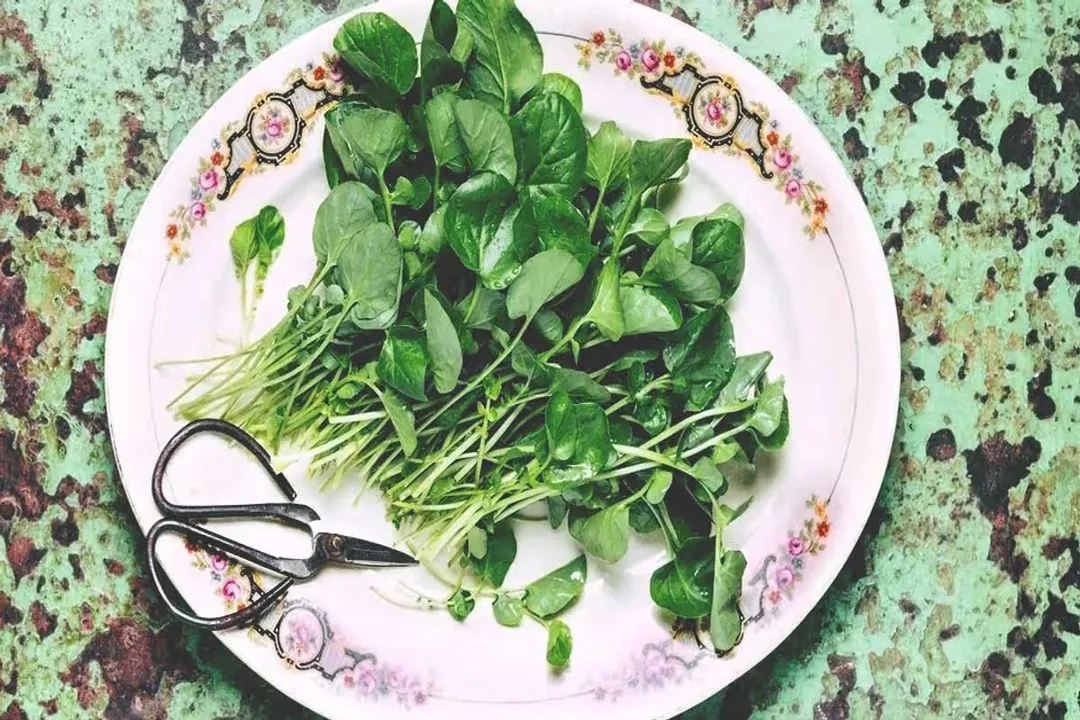
Which medication requires individuals consuming watercress to maintain a relatively constant intake due to potential drug effectiveness reduction caused by watercress's high Vitamin K levels?
Warfarin
Individuals taking the blood-thinning medication warfarin must exercise significant caution regarding their consumption of watercress. This caution stems directly from watercress's exceptionally high Vitamin K content, as Vitamin K is intrinsically involved in the coagulation cascade that warfarin is designed to inhibit. Warfarin functions by interacting with the Vitamin K cycle. If a person suddenly introduces large or variable amounts of Vitamin K-rich foods, such as watercress, into their diet, it can counteract the drug's intended effect. This interference can decrease warfarin's effectiveness, potentially leading to dangerous outcomes related to clot formation. Therefore, maintaining a stable and consistent intake level, coupled with consultation with a physician, is essential for safety when combining this nutrient-dense green with this specific anticoagulant.