Health Benefits of Watercress
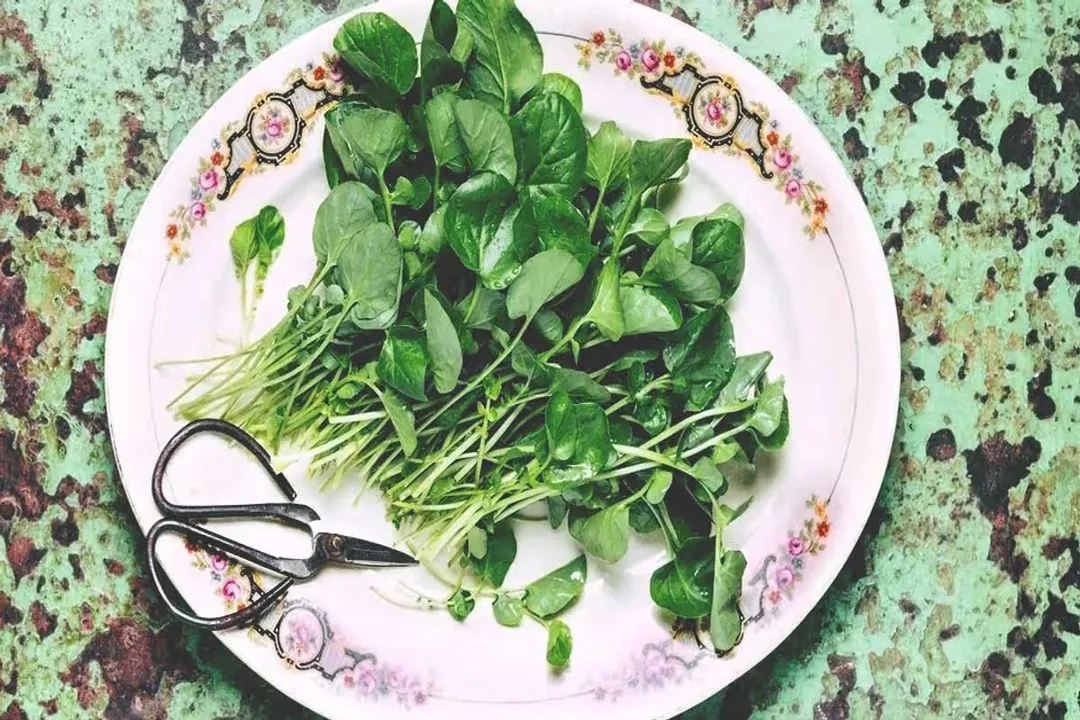
This small, peppery leafy green frequently gets overlooked in the produce aisle, yet it commands serious attention in nutritional science. Watercress, a member of the Brassicaceae family alongside familiar vegetables like kale and broccoli, is much more than just a spicy garnish for a sandwich or soup. [2][4] Its credentials are hard to ignore; in fact, the U.S. Centers for Disease Control and Prevention (CDC) once named watercress the number one "powerhouse" fruit or vegetable, meaning it topped charts for nutrient density relative to its low caloric count. [1][3]
# Nutrient Powerhouse
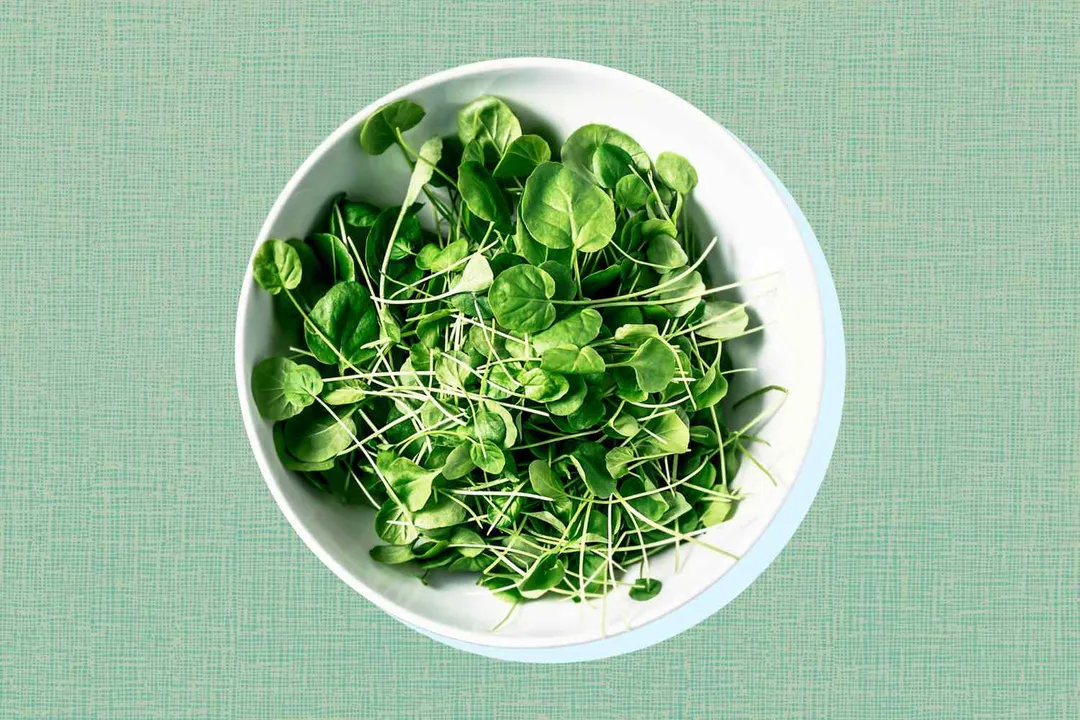
To understand the hype, one must look at the numbers, even when considering only a small portion. A single cup of raw watercress, weighing about 34 grams, contains a staggering amount of essential nutrients while registering only about four calories. [3][5][6] This makes it exceptionally efficient for anyone focused on maximizing nutrition without excess calories, a real advantage for weight management plans. [6]
When we examine the micronutrients, watercress truly shines. It is an exceptional source of Vitamin K, with just one cup supplying over 100% of the Reference Daily Intake (RDI). [3][7] Beyond this powerhouse vitamin, it delivers significant doses of Vitamin C, which is crucial for immune function, and Vitamin A, which is vital for keeping our vision sharp. [1][4]
The mineral profile is equally impressive, offering necessary amounts of calcium, potassium, magnesium, and phosphorus. [3][4] It also provides smaller quantities of Vitamin E, along with B vitamins like folate, thiamine, riboflavin, and B6. [3][6] Comparing this density to other common greens, a dietitian noted that a cup of watercress has roughly half the calories of a cup of mixed greens, underscoring its status as a top-tier, nutrient-packed choice. [5]
# Iron Absorption
Iron is a nutrient often associated with red meat, and plant-based sources can sometimes be less bioavailable. However, watercress solves this problem cleverly through its nutritional synergy. [6] It is rich in iron, essential for energy conversion and growth, but equally important is its high Vitamin C content. [6] Vitamin C is necessary to convert the plant-based iron into a form that the body can readily absorb, essentially making the iron within watercress more accessible than in greens that lack this necessary companion vitamin. [4][6] This feature makes it a standout vegetable, particularly for those groups, like pregnant women or teenage girls, who may be at higher risk for low iron levels. [2]
# Antioxidant Shield
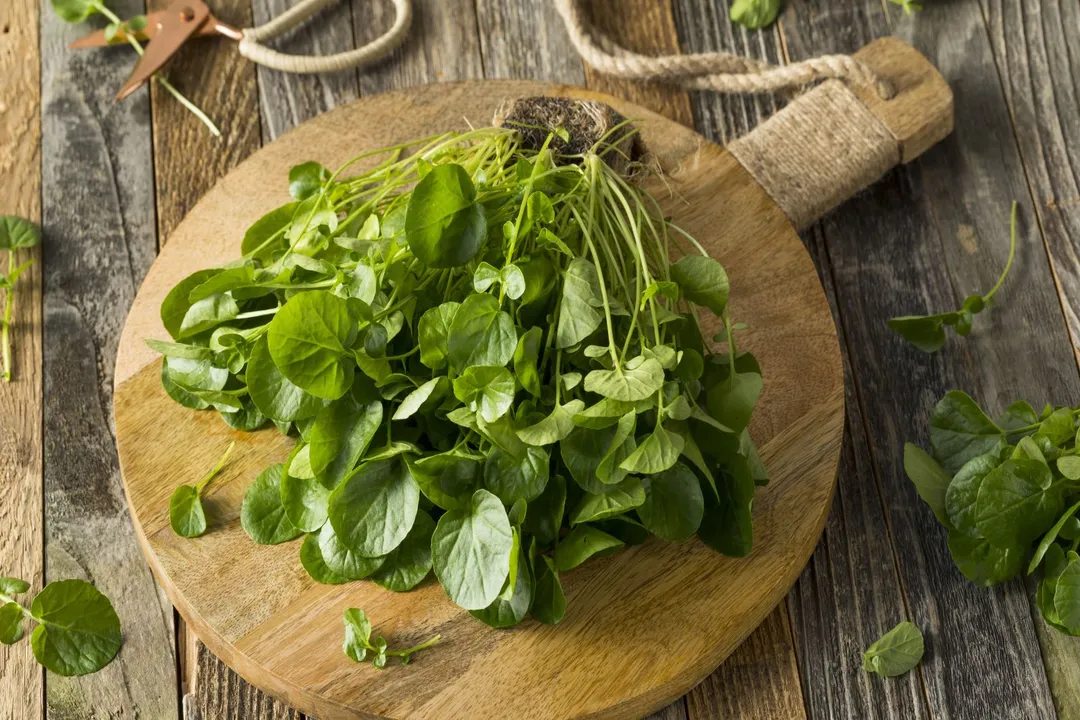
The characteristic peppery or bitter flavor associated with watercress is a direct indication of its high concentration of beneficial plant compounds, specifically antioxidants. [2][3] These compounds are critical because they actively guard against cell damage caused by free radicals, the unstable molecules that drive oxidative stress. [3] Oxidative stress is widely recognized as a factor in the development of chronic conditions such as diabetes, heart disease, and cancer. [3][4]
In a study comparing the antioxidant potential of various cruciferous vegetables, watercress demonstrated superior performance, recording the highest total amount of phenols and exhibiting the greatest ability to neutralize free radicals. [3] This high antioxidant activity is fundamentally linked to cellular repair, which is often characterized as an anti-aging function. [2]
# Carotenoids View
Among these protective elements are specific carotenoids: lutein, zeaxanthin, and beta-carotene. [3][4] These compounds are powerful players in maintaining good health across several systems. The presence of lutein and zeaxanthin is particularly noteworthy for eye health, as they function as essential shields, specifically protecting the eyes from damage incurred by exposure to blue light. [3][7] Furthermore, higher levels of these carotenoids have been associated with a lower incidence of heart disease, strokes, and heart attacks. [3]

# Cancer Defense
Because watercress belongs to the cruciferous group, it contains glucosinolates, which are unique phytochemicals. [3] When the plant structure is broken down—by chewing or cutting—these compounds convert into active chemicals called isothiocyanates. [3] These isothiocyanates, including phenethyl isothiocyanate (PEITC) and sulforaphane, are potent agents in cancer defense. [3]
These compounds work in several ways: safeguarding healthy cells from damage, deactivating chemicals that can cause cancer, and potentially blocking the growth and spread of existing tumors. [3] Research has specifically linked the isothiocyanates in watercress to protective effects against several common cancer types, including lung, colon, prostate, and skin cancers. [3] Even in studies involving breast cancer cells, the isothiocyanates and sulforaphane present in watercress were shown to suppress their growth. [3] One mechanism identified is that phenylethyl isothiocyanate can interfere with a crucial protein signaling pathway (hypoxia inducible factor), which essentially starves growing tumors and slows their propagation. [6]
# Heart Support
The protective benefits of watercress extend significantly toward cardiovascular health, benefiting the heart through multiple pathways. [3][4] Consuming a diet high in cruciferous vegetables, as noted in a large review, correlates with a 16% reduced risk of heart disease. [3]
The dietary nitrates found in watercress contribute substantially here. [3][4] Nitrates are natural compounds that aid heart function by promoting the creation of nitric oxide in the blood, which helps to relax blood vessels, thereby lowering blood pressure and decreasing the stiffness and thickness of the vessel walls. [3][4] Beyond blood pressure, the carotenoids mentioned earlier (lutein, zeaxanthin) are linked to better heart health outcomes. [3] Moreover, while one study in rats demonstrated a dramatic cholesterol reduction—lowering total cholesterol by 34% and "bad" LDL cholesterol by 53%—this shows promise for improving lipid profiles. [3]
# Bone Integrity
Building and maintaining strong bones requires a complex interplay of nutrients, and watercress contributes several key players. [3] It provides essential minerals like calcium, magnesium, potassium, and phosphorus, all important for skeletal structure. [3][4] However, the most dominant contribution is Vitamin K, which often supplies over 100% of the RDI in a single serving. [3]
Vitamin K is not just for blood clotting; it is a structural component of osteocalcin, a protein central to healthy bone tissue and the regulation of bone turnover. [3][4] Studies have established a clear correlation: individuals reporting the highest intake of Vitamin K showed a 35% lower likelihood of experiencing a hip fracture compared to those with the lowest intake. [3] Although Vitamin K is fat-soluble, its high presence in a nutrient-dense, low-calorie vegetable like watercress makes incorporating it easy for bone support. [3]
It is worth noting a specific comparison in the data regarding Vitamin K and bone health: one study indicated that lower Vitamin K intake was a risk factor for fractures in women, but this specific association was not found for men in that particular research, suggesting a potential gender difference in immediate skeletal reliance on dietary Vitamin K. [7]
# Hydration Factor
While we often focus on drinking enough, consuming hydrating foods is an equally valid strategy for meeting daily fluid requirements. [7] Watercress is predominantly water—approximately 95% of its composition is fluid. [7] In practical terms, for someone struggling to meet their water goals, incorporating watercress into salads, sandwiches, or smoothies is an effortless way to boost overall hydration, which is fundamental for nutrient transport, temperature control, and waste removal throughout the body. [7]

# Athletic Use
The high level of dietary nitrates in watercress, shared with foods like beets, suggests benefits for physical exertion. [4] Nitrates can improve exercise tolerance by reducing the amount of oxygen muscles require during activity, potentially making intense workouts feel less taxing and delaying muscle fatigue. [4] Research on nitrate-rich beverages generally supports improved endurance in athletes. [4]
However, the data specific to watercress presents a nuanced picture. While the nitrate content suggests performance enhancement, one small study involving healthy individuals who consumed 100 grams of watercress daily for a week actually observed an increase in carbon dioxide production during exercise. [3] This finding suggests that, contrary to the general nitrate effect seen in other vegetables, conclusive evidence that watercress itself improves athletic performance is currently absent. [3] A practical approach, then, might be to consume watercress daily for its chronic vascular benefits (like blood pressure support), rather than relying on it as a guaranteed pre-workout supplement, given the conflicting data. [3][4]
# Vision Care
The same carotenoids that support heart health—lutein and zeaxanthin—are cornerstones for maintaining long-term vision health. [7] By integrating these into your diet through watercress, you are actively equipping your eyes to handle damage from blue light, a common concern in our screen-heavy world. [3] Moreover, regular intake of these compounds has been correlated with a reduced risk of developing age-related macular degeneration (AMD) and cataracts later in life. [3][7] The presence of Vitamin C further supports this defense, as it is also associated with a lower risk of cataracts. [3]
# Mental Health Link
Emerging science is increasingly pointing to the connection between diet and mood, known as the gut-brain axis. [2] Watercress has been recognized in this space: research conducted in Australia in 2018 awarded watercress the highest Antidepressant Food Score. [2] This high score is attributed to its rich collection of nutrients and botanicals that positively influence the gut microbiome, suggesting a mechanism through which this green can support mental well-being. [2]
# Cautions Listed
While watercress is overwhelmingly beneficial, its potent nutritional profile necessitates awareness regarding specific health conditions or medications. [4][6]
# Medication Interaction
Due to its exceptionally high Vitamin K content, individuals taking the blood-thinning medication warfarin must exercise caution. [4][7] Warfarin works by interacting with Vitamin K; suddenly introducing large, variable amounts of Vitamin K-rich foods like watercress can decrease the drug's effectiveness and potentially lead to dangerous outcomes. [4][5] It is essential to maintain a relatively constant intake and consult a physician regarding appropriate consumption levels. [4][7]
# Thyroid Concerns
As a cruciferous vegetable, watercress contains compounds known as goitrogens. [6] In theory, these compounds can interfere with iodine metabolism, which is essential for proper thyroid function. [6] People diagnosed with pre-existing thyroid conditions should discuss their watercress intake with their doctor before significantly increasing consumption, similar to other brassicas like broccoli. [5][6]
# Preparation Safety
Watercress is high in nitrates, which, if exposed to bacteria, can convert into nitrites. [4] While not an issue when consumed fresh and raw, this is a consideration for prepared items. If you blend watercress into a juice or smoothie, it is advised to drink it immediately or refrigerate it promptly and consume it within one day to minimize the chance of bacterial growth and subsequent conversion. [4]
# Dietary Fit
The versatility of watercress allows it to easily replace less nutritious greens in many recipes. [1][3] Since the most active antioxidant compounds are best preserved when the plant is consumed raw or only lightly cooked, integrating it raw is often the most rewarding approach. [3][7]
Consider the textural difference: watercress has tender stems and vibrant leaves, making it excellent raw in salads, replacing standard lettuce. [1][7] Its peppery flavor adds brightness and balances sweeter or richer ingredients, such as pairing beautifully with beets, berries, or citrus in a salad, or adding a spicy kick atop avocado toast. [1][7]
If cooking, it's advised to wilt it into soups or sauces just before serving to retain more of its nutritional benefits. [3][7] A truly creative application is making a vibrant pesto by blending it with garlic, olive oil, and nuts—this bold flavor stands up well to stronger ingredients like grilled shrimp or hearty pasta dishes. [1] For those purchasing "living" watercress sold with its roots still attached, you gain an advantage in shelf life; simply trim the stems and place the bunch in a jar of water on the counter or in the fridge, refreshing the water every couple of days, which helps it stay fresher longer than pre-cut bunches. [1] This living storage method offers a sustainable way to keep this supergreen on hand for topping eggs or adding that fresh bite to sandwiches. [1] The slight difference in texture and bolder flavor of the living variety, grown hydroponically in soil-free systems, is a clear bonus for the consumer seeking peak freshness. [1]
Related Questions
#Citations
10 Impressive Health Benefits of Watercress
Health Benefits of Watercress
Top 10 health benefits of watercress
What Is Watercress? Health Benefits, Storage Tips, and ...
3 Reasons Why Watercress Is the Healthiest Vegetable
13 Impressive Health Benefits of Watercress
Health Benefits of Watercress, According to a Dietitian