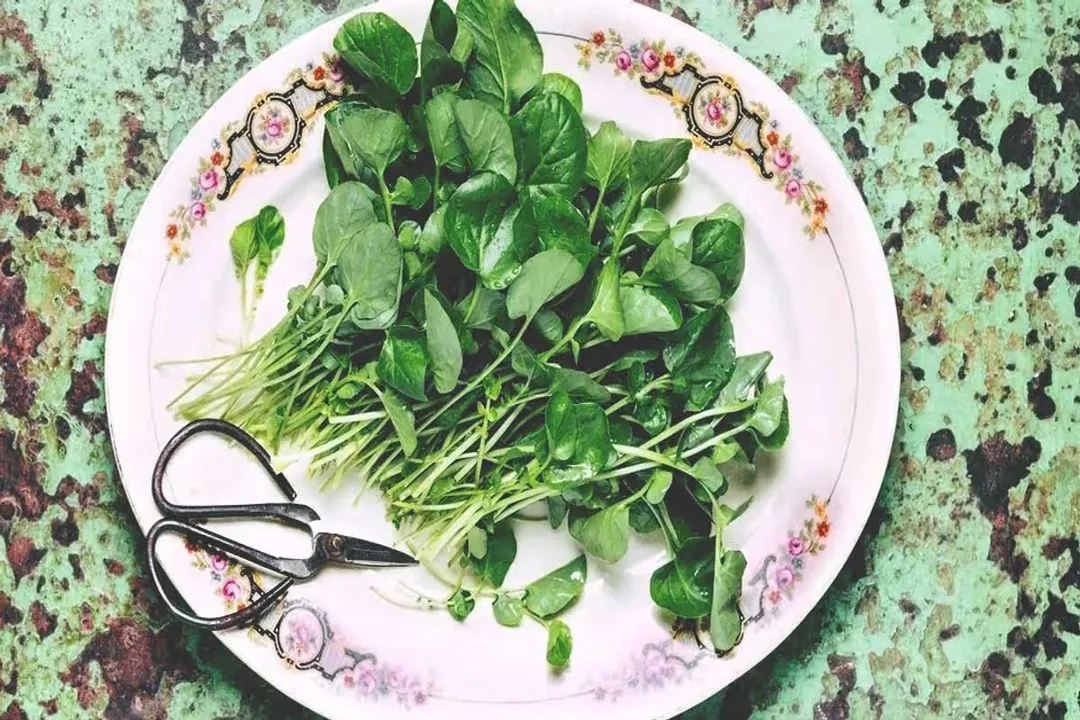
What is the chemical conversion process involving glucosinolates in watercress that results in potent cancer-defense agents like phenethyl isothiocyanate (PEITC)?
Glucosinolates convert into active chemicals called isothiocyanates upon breakdown of the plant structure.
Watercress, as a member of the cruciferous family, naturally contains phytochemicals known as glucosinolates. The mechanism by which these beneficial compounds become active cancer-defense agents relies on the physical disruption of the plant cell structure, which occurs during processes like chewing or cutting. This breakdown allows the glucosinolates to convert into active chemicals termed isothiocyanates. Key examples of these active agents include phenethyl isothiocyanate (PEITC) and sulforaphane. These isothiocyanates are potent due to their ability to safeguard healthy cells, deactivate potential carcinogens, and potentially impede the growth and propagation of existing tumors. Furthermore, PEITC specifically has been identified as interfering with a critical protein signaling pathway called *hypoxia inducible factor*, which helps to starve and slow down tumor progression.