What traditional Chinese medicine name is used for the stems of the Akebia quinata plant?
Answer
mu tong
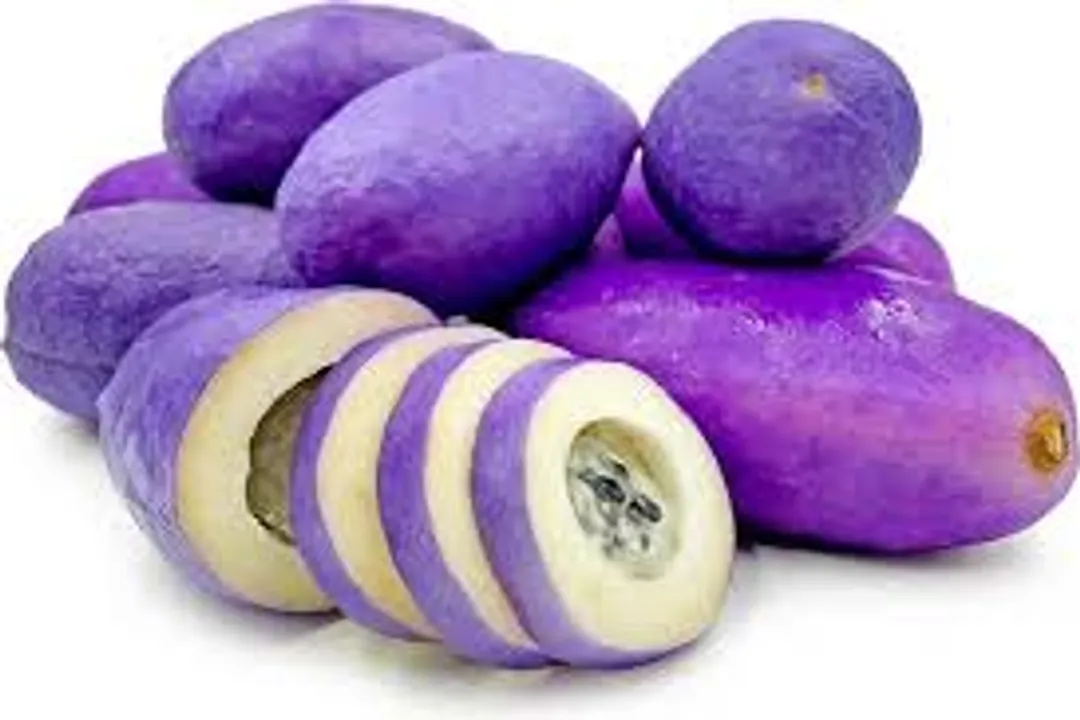
In traditional Chinese medicine contexts, the stems of the Akebia plant are specifically identified by the name *mu tong*. These stems have historically held significant value in herbal preparations, particularly due to their reputed ability to encourage the flow of *qi*, or vital energy, throughout the body. This designation is crucial because traditional applications often utilize parts of the plant other than the fruit, such as the stems, for systemic effects like improving urinary health.
Related Questions
Why is the lavender-hued vine, Akebia quinata, often nicknamed the chocolate vine?What traditional Chinese medicine name is used for the stems of the Akebia quinata plant?Which essential antioxidant vitamin, vital for immune system resilience, is the purple Akebi fruit a notable source of?What mineral, fundamental for proper heart muscle contractions and maintaining optimal bone health, is the Akebi fruit high in?What dual condition was *Akebia quinata* historically sought after in classical formulations for, suggesting inherent anti-inflammatory actions?Which compounds, including hederagenin and oleanolic acid, are specifically identified as being contained in the Akebi fruit extract according to modern chemical analysis?In preclinical studies targeting obesity, which master regulator of fat cell development was shown to have its expression reduced by *A. quinata* extracts, inhibiting adipogenesis?How did the Bioconverted Fruit Extract (BFE) compare to the standard Fruit Extract (FE) regarding its effectiveness in mitigating hepatic steatosis in rats?What notable positive change was observed in the plasma lipid profile of test subjects administered higher doses of *A. quinata* extract, alongside lowered Cholesterol (CHOL)?Which type of culinary preparation is mentioned for utilizing the Akebi rind, despite its slightly bitter note?What maximum height is the exceptionally vigorous climbing vine, *Akebia quinata*, capable of reaching in its preferred habitats like mountain slopes?What complex outcome regarding adiponectin levels was observed when comparing in vitro cell culture results to in vivo rat studies concerning Bioconverted Fruit Extract (BFE)?