Health Benefits of Akebi
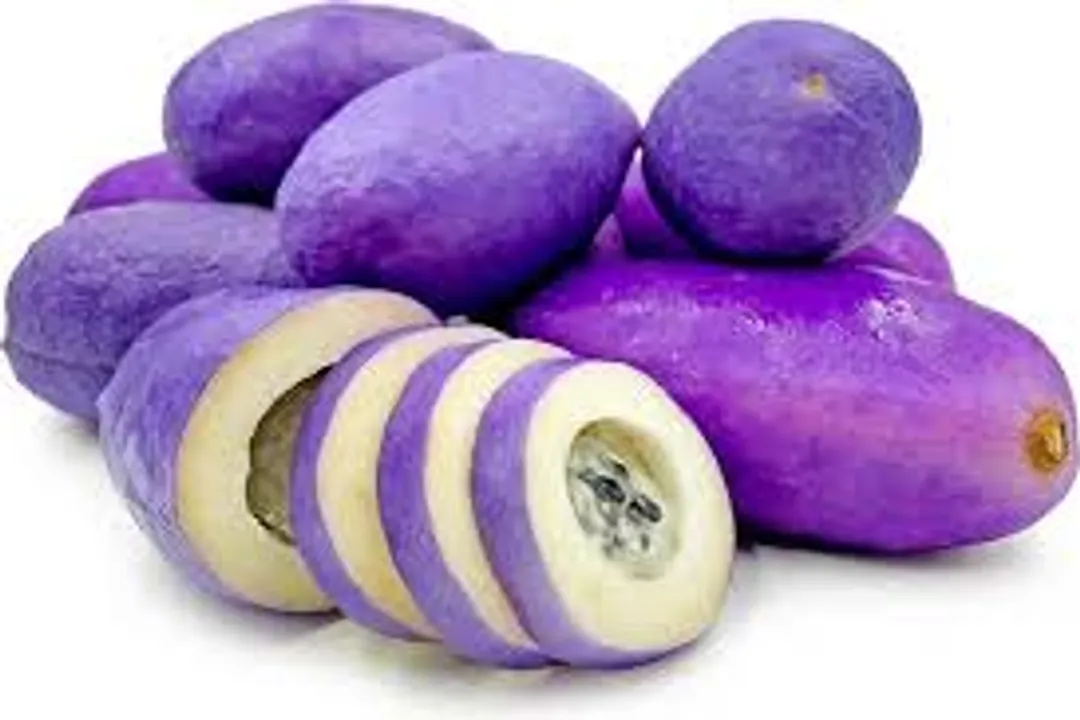
The lavender-hued, mysteriously shaped fruit known as Akebi, or Akebia quinata, beckons from markets in East Asia, particularly cherished in Japan, China, and Korea, offering a unique intersection of flavor and potential wellness advantages. This deciduous vine, often nicknamed the chocolate vine because of the faint, sweet fragrance its flowers exude, has only recently begun to capture broader international attention beyond its established role in traditional herbal systems. While the fruit itself is highly perishable, necessitating prompt consumption or preservation, the entire plant—from its sturdy vines to its seeds and leaves—holds value, ranging from basket weaving materials to medicinal preparations. Understanding the diverse applications of this botanical entity requires looking past its peculiar appearance to the rich chemistry it contains and the modern scientific studies beginning to validate its age-old reputation.
# Eastern Delicacy
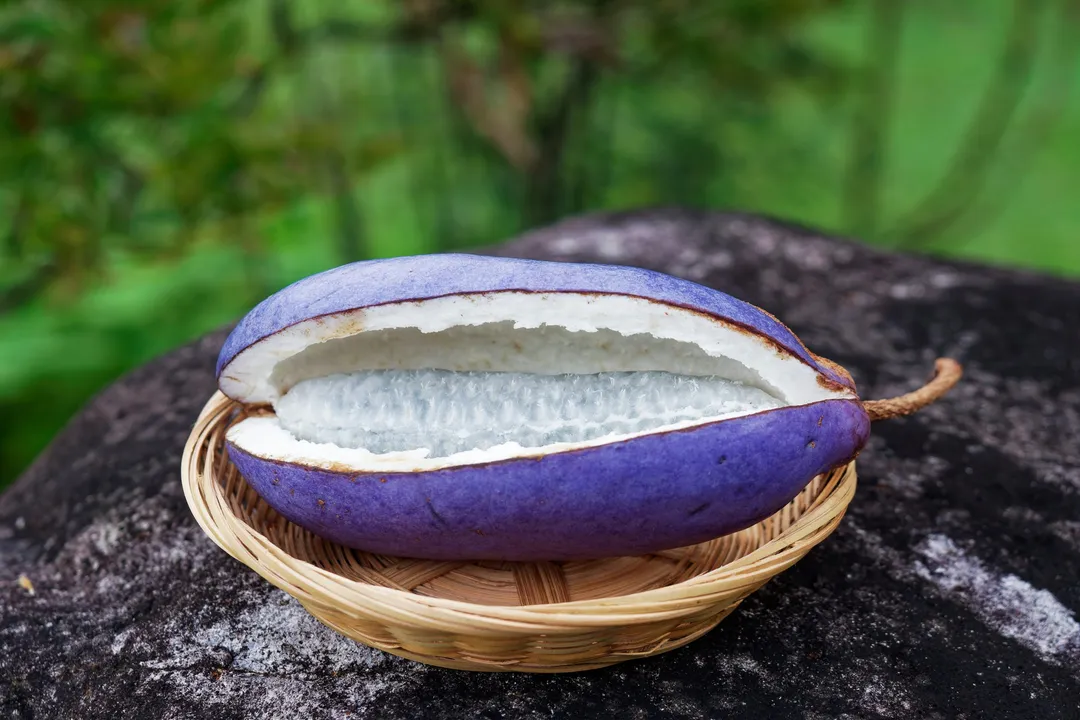
Akebia is an exceptionally vigorous climber, a vine capable of reaching heights of fifty feet in its preferred habitats near streams or on mountain slopes. The plant is characterized by its leaves, which are typically divided into five leaflets, though they can sometimes display three, four, seven, or even more leaflets depending on the growth pattern. When the fruit ripens, it splits open along one side, revealing a semi-sweet, pulpy interior that resembles a white dragon fruit. This splitting indicates readiness, but also signals its short shelf-life, urging immediate enjoyment. In traditional Chinese medicine, the stems of the plant are known by the name mu tong, and they have historically been prized for their ability to encourage the flow of qi, or vital energy, within the body. The plant’s adaptability means it is now cultivated outside its native range, appearing in parts of Europe and the United States as its appeal grows.
# Core Nutrition Profile
Despite its relative scarcity in global markets, the purple Akebi fruit is packed with essential nutrients that support bodily functions. Its contribution to daily intake includes a respectable amount of dietary fiber, which is frequently noted as beneficial for digestive regulation and is cited as a component aiding weight management efforts. The fruit is a notable source of Vitamin C, a vital antioxidant capable of shielding the body from oxidative stress and keeping the immune system resilient. Further immune support comes from its combination of Zinc and various B vitamins. For structural health, the fruit delivers Calcium and Protein, alongside carbohydrates. Crucially, it is high in Potassium, a mineral fundamental for proper heart muscle contractions and maintaining optimal bone health.

# Traditional Wisdom
For centuries, practitioners of East Asian medicine have incorporated various parts of the Akebia quinata plant into their pharmacopeia, relying on its systemic effects rather than focusing on the fruit alone. The stems, for instance, were a key component in traditional remedies aimed at improving urinary health, specifically acting as a natural diuretic to help relieve uncomfortable fluid retention and combat painful urination. Furthermore, the plant was historically sought after for its potential to soothe joint pain and address menstrual irregularities, pointing toward inherent anti-inflammatory actions. In classical formulations, it was rarely used in isolation; rather, it was paired with other botanicals, such as astragalus and angelica, to amplify their restorative qualities and support overall vitality. Beyond the urinary system, it was valued for its reputed ability to enhance the body’s natural detoxification processes and bolster healthy circulation throughout the body.
# Phytochemistry Unveiled
The therapeutic potential ascribed to Akebia over generations is now being investigated through modern chemical analysis, which reveals a diverse arsenal of bioactive compounds. Scientific inquiry has isolated compounds such as triterpenoid saponins, flavonoids, and phenolic acids from the plant, which are understood to underpin its observed antioxidant and anti-inflammatory capabilities. The fruit extract specifically contains compounds such as hederagenin, oleanolic acid, and akequintoside D. These chemical markers provide a mechanistic basis for the traditional claims: saponins, for example, are frequently associated with modulating lipid metabolism, while flavonoids contribute significantly to antioxidant defense. The ability of the plant to support skin health, as suggested by traditional use, is likely linked to these compounds’ capacity to fight free radicals.
# Targeting Metabolic Health
Recent preclinical investigation has zeroed in on the specific potential of A. quinata extracts as agents against metabolic imbalance, particularly obesity. Studies utilizing cellular models (3T3-L1 preadipocytes) and animal models (High-Fat Diet-induced obese rats) demonstrated that the extract possesses clear anti-obesity and hypolipidemic effects. The research specifically focused on adipogenesis—the process where preadipocytes mature into fat-storing adipocytes—and lipogenesis—the creation and accumulation of fat. The results showed that the extracts inhibited the differentiation of fat cells and reduced the resulting lipid accumulation in a concentration-dependent manner. Mechanistically, this suppression was linked to the regulation of key molecular switches in fat cell development, primarily by reducing the expression of master regulators like PPAR\alpha$ (CCAAT-enhancer-binding protein alpha). A successful intervention against obesity often needs to address not just fat storage but also its associated cardiovascular risks; in this regard, the extract showed promise by improving the plasma lipid profile, specifically by lowering total Cholesterol (CHOL) and favorably increasing levels of HDL (High-Density Lipoprotein) in test subjects when administered at higher doses.
# The Power of Preparation
What becomes particularly fascinating in the modern study of A. quinata is the difference observed between the standard Fruit Extract (FE) and the Bioconverted Fruit Extract (BFE). When the extract was subjected to a bioconversion process—essentially, fermentation using enzymes isolated from the soybean paste fungi Aspergillus kawachii—the resulting BFE showed significantly stronger anti-obesity effects than the non-bioconverted FE. This enhancement was evident across multiple metrics: BFE provided more robust inhibition of lipid accumulation in cell cultures, led to a greater reduction in body weight and adipose tissue mass in rats, and was more effective at reducing lipid deposition in the liver, mitigating hepatic steatosis. This finding offers a clear advantage for BFE over FE, suggesting that the enzymatic treatment effectively modifies the extract’s bioactive compounds, perhaps making them more accessible or potent. This is an important consideration for anyone looking to incorporate traditional plant remedies; the method of processing can dramatically alter the final biological effect, moving an ingredient from moderately helpful to significantly effective in metabolic regulation.
# Beyond Weight Management
While the anti-obesity research provides a compelling modern application, the traditional uses hint at broader systemic benefits that align with some laboratory findings. The documented ability of the plant to soothe joint pain and reduce swelling—attributable to its anti-inflammatory agents—is supported by its impact on cellular inflammation pathways investigated in the metabolic studies. Furthermore, the traditional application for painful urination and use as a diuretic suggests an influence on fluid balance and kidney function. Modern analysis confirms that the extract can act as a good diuretic, helping the body shed excess water. It is interesting to compare the in vitro finding where BFE seemed to suppress adiponectin (an obesity protection factor) with the in vivo finding where BFE significantly increased adiponectin in rat adipose tissue. Adiponectin, which is often low in obese subjects, plays a role in insulin sensitivity, and its increase is generally protective. This discrepancy highlights that in vivo systems are far more complex than isolated cell cultures, suggesting Akebia’s beneficial components may modulate different cell types (like muscle or endothelial cells in addition to fat cells) to achieve overall positive metabolic health outcomes. This suggests that Akebia might function as a general metabolic modulator, simultaneously addressing fat storage pathways, improving lipid profiles, and encouraging systemic cleansing through its diuretic action.
# Culinary Exploration
The fruit itself is versatile, though its taste profile is perhaps best described as subtly sweet, requiring care in preparation due to its perishability. The simplest way to consume it is to slice the purple pod open and consume the pulp and seeds directly with a spoon. However, the entire plant offers culinary possibilities. The young shoots are suitable for pickling or adding to salads. The rind, despite possessing a slightly bitter note, is sometimes relished when it is stuffed and deep-fried. The pulp is excellent for blending into beverages; mixing it with lemon juice and perhaps a sweetener like honey creates a refreshing smoothie. The fruit can also be processed into jam, which preserves its nutrients for longer periods, or even used in winemaking. If one is interested in a simple, vitamin C-rich preparation, a smoothie combining the pulp, water, lemon juice, and sweetener is an accessible recipe that delivers many of the fruit's core nutrients.
Related Questions
#Citations
Bioconverted Fruit Extract of Akebia Quinata Exhibits Anti-Obesity ...