What nutritional component dominates the ingredient list of 'pumpkin pie filling' compared to plain 100% pumpkin puree?
Answer
Added sugar
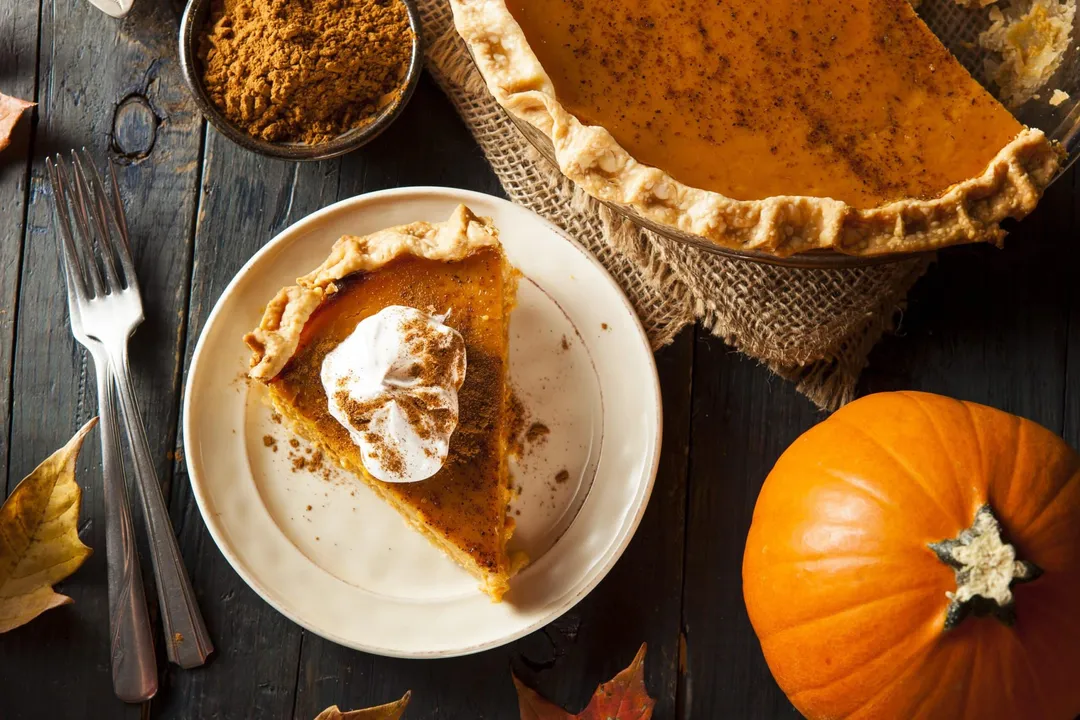
A critical distinction exists between pure pumpkin and manufactured pumpkin pie filling, particularly concerning added sugars. While 100% pumpkin puree, which is essentially cooked squash, is low in calories and contains only natural sugars (about 6.5 grams per cup), pie filling is heavily sweetened. The ingredient list for pie filling will typically show added sugar dominating the nutritional profile. For instance, the same volume of pie filling can easily contain over 30 grams of added sugar, drastically altering the health benefits derived from the base vegetable. This heavy addition of sugar often negates the benefits conferred by the naturally occurring fiber and Vitamin A inherent in the squash.
Related Questions
What protein in the eyes uses Vitamin A derived from beta-carotene for low-light vision?How many grams of dietary fiber does one cup of pure pumpkin provide toward the recommended daily intake?Which essential mineral found notably in pumpkin is directly associated with managing blood pressure levels?What nutritional component dominates the ingredient list of 'pumpkin pie filling' compared to plain 100% pumpkin puree?Approximately how many calories are contained in a single cup of cooked, mashed pumpkin?Which carotenoids accumulate in the retina and lens to provide specific protection against oxidative damage in the eye?What characteristic primarily defines 'pie pumpkin' varieties like Sugar Pie, distinguishing them from carving pumpkins?Relative to apple pie, what inherent squash base component usually gives pumpkin pie a micronutrient advantage?Which deeply colored vegetable is suggested as a rotation partner to pumpkin for a broader spectrum of vitamins and minerals?What inherent quality of pumpkin primarily serves as a beneficial component for weight control strategies?