Health Benefits of Baby Boo Pumpkin
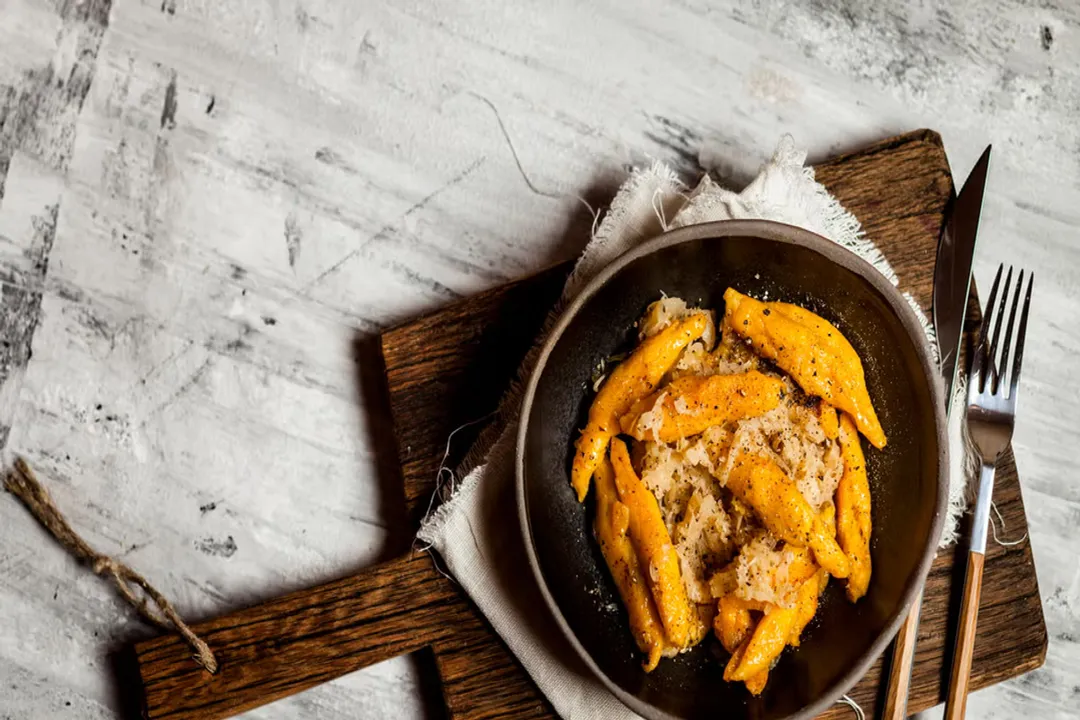
The emergence of the petite, pure white Baby Boo pumpkin often signals the shift from giant jack-o'-lanterns to more intimate autumn cooking, but these charming gourds are far more than just seasonal décor. Beneath their smooth, pale exterior lies a nutritional package that rivals their larger, orange cousins, offering significant advantages for daily health. While many associate pumpkin solely with pie spice mixes, understanding the actual compounds packed into this squash reveals its serious potential as a functional food, contributing to everything from sharp vision to robust immunity.
# Core Nutrients
To appreciate the health rewards of eating a Baby Boo—or any winter squash, for that matter—it helps to look closely at its composition. These small pumpkins are nutrient-dense, meaning they deliver a high concentration of vitamins and minerals relative to their caloric content. A primary standout component is beta-carotene, the pigment responsible for the deep orange color found in most varieties, which our bodies convert into Vitamin A. Although the Baby Boo variety is white, its flesh still contains substantial amounts of this essential precursor.
Beyond Vitamin A, pumpkin flesh is a respectable source of Vitamin C, an important water-soluble antioxidant. Potassium, crucial for maintaining fluid balance and supporting heart function, is also present in notable amounts. Furthermore, dietary fiber contributes significantly to overall well-being, aiding digestive processes. Depending on the specific cultivar and preparation, you might also find beneficial trace minerals like iron and magnesium contributing to its profile.
# Vision Support
The link between pumpkin consumption and eye health is perhaps the most scientifically documented benefit, largely driven by its exceptional Vitamin A content. When we consume beta-carotene, our bodies efficiently convert it into retinol, which is the biologically active form of Vitamin A. This vitamin is absolutely necessary for the formation of rhodopsin, a light-absorbing molecule in the photoreceptor cells of the retina.
Insufficient Vitamin A is a known contributor to various vision problems, most notably night blindness. By incorporating Vitamin A-rich foods like pumpkin regularly, we help maintain the integrity of the cornea and support the overall visual apparatus. While the Baby Boo may look pale, its flesh offers the same foundational support for ocular health as its orange counterparts; if one were to compare the nutritional density based purely on beta-carotene precursors, an orange pumpkin would simply have more raw pigment concentration, but the essential Vitamin A conversion pathway remains the same for the precursor compounds present in the white flesh.
# Immune Skin Defense
Supporting the body's natural defenses requires a steady intake of specific micronutrients, and pumpkin delivers a dual action through Vitamins A and C. Vitamin C acts as a powerful antioxidant, helping to bolster the immune system by supporting various cellular functions within the body’s defense mechanisms. It also plays a direct role in the production of collagen, a protein vital for the structure and repair of skin, gums, and blood vessels.
The antioxidant capacity extends beyond these singular vitamins. Pumpkin contains a wealth of other beneficial compounds, including carotenoids, which function as potent antioxidants, neutralizing harmful free radicals throughout the body. This action is significant because these free radicals contribute to cellular aging and the development of chronic conditions over time. For the skin specifically, this antioxidant load offers protection against environmental stressors, including damage from UV exposure, helping to maintain skin elasticity and a healthy glow. Eating pumpkin, therefore, isn't just about internal fortification; it’s a dietary way to support external radiance.
# Digestive Cardiac Health
Two components of pumpkin—fiber and potassium—are especially beneficial for the systems that keep us moving and regulate our internal pressure: the digestive tract and the cardiovascular system.
# Gut Regularity
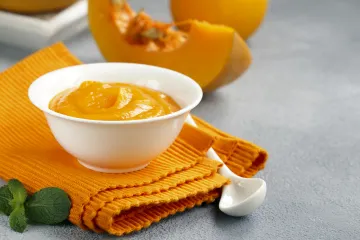
The high fiber content found in pumpkin pulp is key to digestive health. Fiber adds bulk to stool, which helps regulate bowel movements and prevent constipation. Furthermore, this indigestible material acts as a prebiotic, feeding the beneficial bacteria residing in the gut microbiome. A healthy gut environment is increasingly linked to better nutrient absorption and even mood regulation. Incorporating cooked and pureed pumpkin into meals is a simple method to increase daily fiber intake without relying solely on processed supplements.
# Blood Pressure Control
On the cardiovascular front, potassium takes center stage. Potassium works to counteract the effects of sodium in the body, which helps to manage blood pressure levels. Maintaining blood pressure within a healthy range is a primary factor in reducing the risk of serious heart conditions. Additionally, the soluble fiber in pumpkin can assist in managing cholesterol levels by binding to it in the digestive tract, preventing excessive absorption. When considering how best to prepare your Baby Boo pumpkin, choosing methods that preserve these water-soluble nutrients, like steaming or roasting rather than boiling excessively, is a smart approach to maximize their benefit.
# Culinary Versatility and Usage
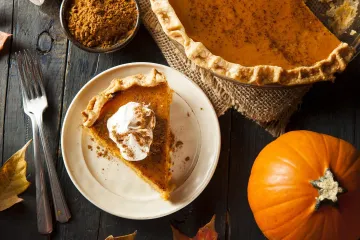
The Baby Boo pumpkin, typically weighing less than two pounds, presents unique opportunities in the kitchen compared to the massive carving pumpkins. Its small size means it naturally lends itself to single servings or dishes where the entire pumpkin is cooked and served intact, which can be quite appealing for presentation.
A practical tip for maximizing nutritional return from any pumpkin variety, including the Baby Boo, involves preparation: while the flesh is the clear powerhouse of Vitamins A and C, some research suggests that minor mineral content, like that found in the skin, can also be beneficial if consumed. However, given that Baby Boo pumpkins are often grown for ornamental purposes, ensuring they are clean and treated properly—or sourcing food-grade versions—is paramount before considering eating the skin. For most home cooks focusing on health, scraping out the fibrous strands and seeds, and then roasting or steaming the flesh until soft, remains the most effective way to get the pure, nutrient-rich pulp.
One way to think about integrating these mini-pumpkins is through portioning. If a recipe calls for a standard cup of pumpkin puree, two or three small Baby Boos might yield that amount, ensuring you have fresh, single-batch material rather than opening a large can destined for partial use and storage. For instance, instead of making a massive batch of holiday bread, you could roast one Baby Boo and use the puree immediately in a savory soup or blend it into a morning smoothie, ensuring the maximum retention of heat-sensitive vitamins like Vitamin C. This immediate consumption strategy capitalizes on freshness.
The seeds, often discarded, also warrant consideration. While the flesh is rich in carotenoids, pumpkin seeds themselves are known sources of healthy fats, magnesium, and zinc, providing a different, yet equally important, set of micronutrients. Separating the seed benefits from the flesh benefits allows for a more complete nutritional harvest from a single squash.
# Antioxidant Powerhouse
The collective effect of the various vitamins and phytochemicals present in pumpkin points toward its ability to combat systemic inflammation and oxidative stress. This broad antioxidant activity is often what earns nutrient-dense vegetables their reputation as protective agents against long-term illness. The body is constantly fighting off oxidative damage from metabolism and external factors; foods rich in antioxidants like pumpkin provide the necessary defense materials. This comprehensive support—from eye maintenance via Vitamin A to cellular defense via Vitamin C and other carotenoids—makes pumpkin a deceptively simple addition to an anti-aging or general wellness diet. Focusing on a steady intake, perhaps by using roasted Baby Boo puree in oatmeal or mixing it into a simple vinaigrette, keeps this protective shield active year-round, rather than just during the autumn season.
Related Questions
#Citations
Top 10 Reasons to Eat More Pumpkin (Benefits, Nutrition & ...
11 Health And Nutrition Benefits Of Pumpkins, According ...
Health Benefits of Pumpkin
Pumpkin offers health benefits
Pumpkin Seeds - Baby Boo (treated)
Pumpkin: Loaded with scary-good nutrients
The Health Benefits of Pumpkin
From Carving to Nourishing: The Benefits of Pumpkins
Nutritional Value, Phytochemical Potential, and ...
Pumpkin 🎃 for babies. Nutritional benefits are