Health Benefits of Pie Pumpkin
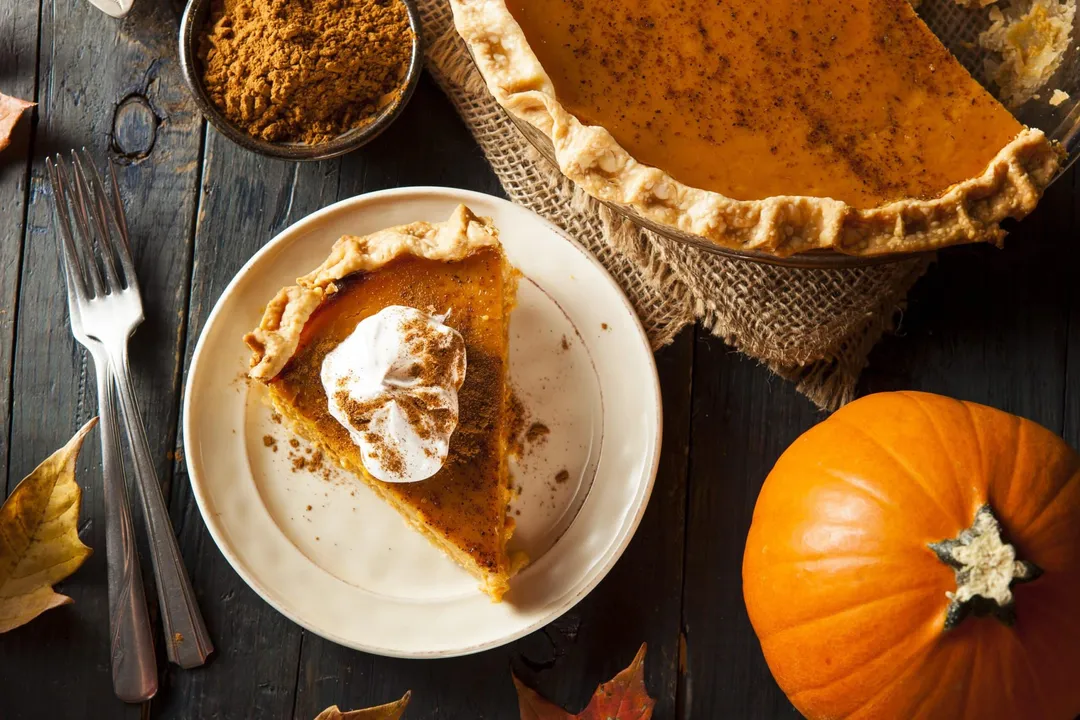
The sight of a perfect slice of pumpkin pie often signals the shift in seasons, yet focusing solely on the dessert misses the substantial health case for the fruit itself. While the creamy filling atop a flaky crust is certainly an indulgence, the star ingredient, the pie pumpkin, is a nutritional heavyweight deserving recognition far beyond a single holiday table. [6] These smaller, denser squashes, often labeled "sugar pumpkins," are distinct from their giant carving cousins, offering a sweeter, less watery flesh ideal for cooking and baking, and consequently, delivering a concentrated dose of vitamins and minerals. [2] Thinking of pumpkin as just a sweet, seasonal treat is a disservice to its genuine potential as a year-round dietary addition, whether mashed, pureed, or baked into that familiar dessert.
# Core Nutrients
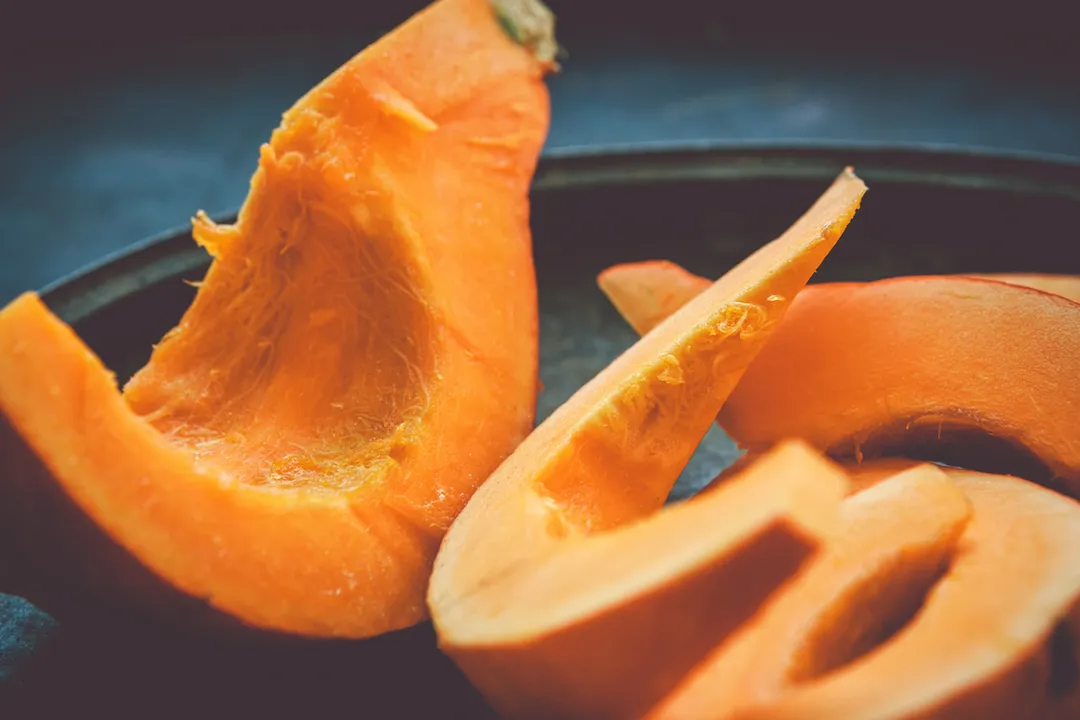
Pumpkin is remarkably nutrient-dense, meaning it packs a significant number of vitamins and minerals into a relatively low-calorie package. [3] For instance, a single cup of cooked, mashed pumpkin contains only about 80 calories, yet it provides significant amounts of several essential nutrients. [3] One of the most striking elements is its Vitamin A content, derived from its rich supply of beta-carotene, the pigment responsible for its vibrant orange hue. [3][6] In fact, a single serving can supply well over the daily recommended intake of Vitamin A. [3]
Beyond Vitamin A, pumpkin is a respectable source of Vitamin C, an important antioxidant that supports immune function. [3][8] It also supplies notable amounts of potassium, a mineral crucial for maintaining healthy blood pressure and proper fluid balance in the body. [3][6] Furthermore, it contains smaller but relevant amounts of Vitamin E, iron, and folate. [3] When you consider the profile of a dense, cooked vegetable, pumpkin stands out due to the sheer quantity of these beneficial compounds it delivers for minimal caloric cost. [2]
# Vision Support
The intense orange color of pumpkin is a direct visual cue to one of its greatest health contributions: its impact on eyesight. [6] This color comes from beta-carotene, which the human body efficiently converts into Vitamin A. [3][8] Vitamin A is indispensable for good vision, particularly in low-light conditions, as it is a component of rhodopsin, a protein in the eyes that absorbs light. [3][6] Consuming foods rich in beta-carotene is a recognized dietary strategy for reducing the risk of age-related macular degeneration (AMD) and cataracts, two leading causes of vision impairment in older adults. [8] Ensuring your diet includes sources of this precursor is a proactive measure for long-term eye health, making the consumption of pie pumpkin flesh a tangible benefit rather than just a comforting taste. [3]
# Digestive Health Booster
A commonly overlooked benefit of incorporating pure pumpkin into one’s diet is its significant dietary fiber content. [3] Fiber is essential for maintaining a healthy digestive system, promoting regular bowel movements, and preventing constipation. [3] This roughage adds bulk to stool, aiding in smoother passage through the digestive tract. [3]
In addition to its mechanical benefits, fiber plays a role in satiety, helping you feel fuller for longer periods after eating. [5] This feeling of fullness can naturally assist with weight management by reducing the likelihood of overeating later in the day. [5] While pumpkin puree, often found in cans, retains most of the fiber of fresh pumpkin, the overall content is substantial for a fruit-vegetable. [3] For example, a single cup can provide around 7 grams of fiber, a notable contribution toward the recommended daily intake. [3]
# Potent Antioxidants and Disease Defense
Pumpkin is rich in various antioxidants, which are compounds that help neutralize harmful free radicals in the body. [8] Free radicals are unstable molecules that can cause oxidative stress, damaging cells and contributing to chronic diseases, including heart disease and cancer. [8]
The array of antioxidants in pumpkin includes beta-carotene (which also acts as an antioxidant), lutein, zeaxanthin, Vitamin C, and Vitamin E. [3][8] Lutein and zeaxanthin, in particular, are carotenoids that accumulate in the retina and lens of the eye, offering protection against oxidative damage there as well. [8] The presence of these protective agents suggests that regular consumption could play a part in general disease prevention strategies. [8] The study of pumpkin's compounds is ongoing, but the high concentration of these protective substances certainly places it high on the list of functional foods. [8]

# Cardiovascular Impact
The nutritional profile of pumpkin lends itself well to supporting a healthy heart. [6] The potassium content is particularly relevant here, as adequate potassium intake is directly associated with managing blood pressure levels. [6] Potassium helps to balance the negative effects of sodium by promoting its excretion, which can help relax blood vessels and lower overall pressure. [6] Given that high blood pressure is a major risk factor for cardiovascular events, ensuring a steady supply of potassium through diet—and pumpkin is an excellent source—is a simple, effective strategy for heart maintenance. [6] While pumpkin itself is low in fat and sodium, its micronutrient balance supports the systems that regulate cardiovascular function. [3][6]
# Analyzing the "Pie" Context
It is critical to differentiate between the health benefits of pure pumpkin and the final product of pumpkin pie, as they are nutritionally worlds apart. [5][7] Many people confuse commercial pumpkin puree, which is often just pure cooked squash, with pre-made pie filling, which is heavily sweetened and spiced. [5] Moreover, even when making a traditional homemade pumpkin pie, the crust adds significant amounts of saturated fat and refined flour, and the filling usually requires added sugar and sometimes evaporated milk or cream, which increase the calorie and fat count considerably. [5][7]
When comparing a slice of pumpkin pie to a slice of apple pie, the comparison becomes about the added ingredients rather than the fruit base. [7] While both can be high in sugar and fat depending on preparation, pumpkin pie often contains more Vitamin A and fiber from the squash base compared to apple pie. [7] However, this advantage is easily negated by excessive sugar in the pumpkin filling. [7]
A Key Distinction for Health Seekers: If your goal is maximizing nutrient intake, the way the pumpkin is prepared is paramount. For example, a standard store-bought can labeled "100% Pumpkin" is an excellent, low-calorie base. [5] However, if you examine an ingredient list and see "pumpkin pie filling," you are likely looking at a product where added sugar and spices dominate the nutritional story. [5] If you are preparing your own pie, consider this: one cup of pureed pumpkin flesh contains about 6.5 grams of natural sugar, whereas the same volume of pie filling can easily contain over 30 grams of added sugar. [5] The most significant original insight here is that for maximum benefit, you should treat the pureed pumpkin as a vegetable base, perhaps replacing half the required sweetener in a recipe with a zero-calorie alternative or using mashed sweet potato as a partial substitute to boost fiber further without adding excessive simple carbohydrates to your dessert. [5]
# Quality and Sourcing Insights
The sources generally refer to pumpkin as a healthy addition, but the term "pie pumpkin" specifically points toward varieties like Sugar Pie, Dickinson, or New England Pie pumpkins. [2] These are bred for texture and flavor over size, resulting in a dense, less watery flesh that yields a richer puree—a good thing from a nutrition standpoint because it concentrates the beneficial components. [2]
If you are cooking from scratch, consider the difference in preparation. A fresh pumpkin, roasted and pureed at home, will generally offer the highest levels of heat-sensitive nutrients, though cooking does not diminish the beta-carotene significantly. [2] Canned pumpkin, while convenient, may see some minor nutrient degradation depending on processing time and temperature, but it remains an exceptionally good source. [2] To ensure you are getting the most out of this seasonal favorite year-round, here is a practical tip: keep a few cans of plain 100% pumpkin puree on hand. Mix a scant tablespoon into your morning bowl of oatmeal or blend it into a post-workout smoothie. You will gain a significant boost of Vitamin A and fiber without altering the flavor profile noticeably, effectively integrating the benefits of "pie pumpkin" into your non-dessert rotation. [3]
# Comparison in a Seasonal Lineup
While pumpkin often gets accolades, it sits favorably among other popular seasonal contenders. When compared directly to apple pie, pumpkin pie usually wins on the micronutrient front because of the squash’s inherent richness in Vitamin A and potassium, assuming similar levels of added sugar. [7] Apple pie, while containing some beneficial compounds from the skin, simply cannot match the Vitamin A density of its orange counterpart. [7]
However, pumpkin should not be seen as superior to all vegetables. For example, sweet potatoes, which share a similar color profile due to their beta-carotene content, often contain even more fiber and a wider array of minerals than pumpkin. [6] This suggests that while pumpkin is a great choice, rotating it with other deeply colored vegetables like carrots and sweet potatoes ensures a broader spectrum of vitamins and minerals for overall health protection. [6]
# Weight Management Aid
The combination of low calories and high fiber content makes pumpkin a beneficial component for those aiming for weight control. [5] Fiber promotes satiety, which is key to managing calorie intake throughout the day. [5] Furthermore, since pumpkin is largely water and fiber, it offers significant volume on the plate for very few calories. [3]
For example, if you are reducing intake of denser, higher-calorie starches like white rice or potatoes, substituting an equal volume with mashed pumpkin can significantly decrease the meal's overall caloric load while simultaneously increasing the delivery of essential micronutrients like potassium and Vitamin A. [3][2] This substitution technique allows for the enjoyment of larger portions without the corresponding excess calories, aligning perfectly with sound weight management principles. [5]
# Summary of Key Components
To better visualize the nutritional value inherent in the "pie pumpkin" before any sweeteners are introduced, here is a snapshot of what you are consuming in a standard serving of plain, cooked, mashed pumpkin:
| Nutrient | Approximate Amount (Per 1 Cup Serving) | Primary Health Role |
|---|---|---|
| Calories | ~80 kcal | Low-energy density for volume |
| Beta-Carotene (Vitamin A precursor) | Extremely High (Often >100% DV) | Vision, Immune Function [3][6] |
| Fiber | ~7 grams | Digestive regularity, Satiety [3][5] |
| Potassium | Significant | Blood Pressure Regulation [3][6] |
| Vitamin C | Good Source | Antioxidant, Immunity [3][8] |
This profile confirms that the foundation of pumpkin pie, when isolated, is undeniably healthy. [3][6] The challenge, as always, lies in respecting that foundation when moving toward the final dessert form. [5][7] By understanding the dense nutritional package that the pureed squash provides, you can make informed decisions about how to best incorporate this seasonal favorite into a healthy eating pattern, ensuring you reap the benefits of its high fiber, high Vitamin A content, and essential minerals year-round. [8]
Related Questions
#Citations
Medicine or Malarkey: Is Pumpkin Pie Good for Your Health?
Pumpkin offers health benefits
9 Impressive Health Benefits of Pumpkin
6 Health Benefits of Pumpkin: Nature's Superfood
Is Pumpkin Pie Healthy? Nutritional Benefits Explained
The Many Health Benefits of Pumpkin
Which Pie Is Healthier: Apple or Pumpkin?
What are the health benefits of pumpkin?