Health Benefits of Dickinson Pumpkin
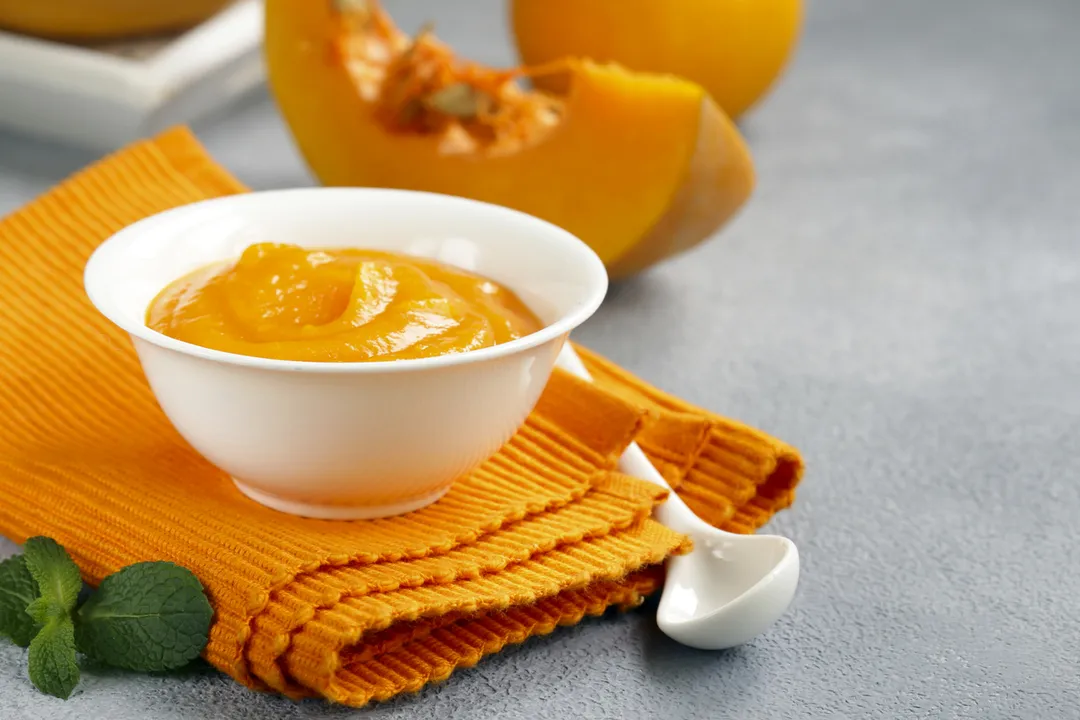
The vibrant orange hue of the Dickinson Pumpkin is more than just a sign of autumn; it signals a powerhouse of nutrition that deserves a place on the plate year-round, far beyond festive decorations. While many people associate pumpkins solely with carving elaborate faces or rich holiday desserts, this particular variety, and pumpkin in general, offers tangible health advantages derived from its dense concentration of vitamins, minerals, and protective compounds. It's a versatile gourd, technically a fruit, that bridges the gap between sweet and savory cooking, making it an accessible ingredient for better health.
# Dickinson Specifics

When discussing canned pumpkin puree, the Dickinson Pumpkin often takes center stage, even if consumers don't realize it. In fact, a staggering 85% of the world's commercially produced pumpkin puree is reportedly made using Nestlé's own brand of Dickinson pumpkins, often labeled as Libby's Select. This high volume of commercial use speaks to the consistency and reliable texture this variety offers for processing, distinguishing it from other types bred primarily for carving, which tend to be stringier and less flavorful.
However, if you are monitoring your carbohydrate intake closely, especially within the constraints of a ketogenic diet, the Dickinson variety requires careful consideration. Nutritional data suggests that Dickinson Pumpkin clocks in at approximately 9.69 grams of net carbs per 100 grams. For those strictly adhering to a 20-gram daily limit, even a small 50-gram serving consumes about a quarter of that allowance. While this high net carb count rules it out for strict keto plans, its overall nutritional profile remains exceptional for those on a more balanced or higher-carb intake. This reliable commercial availability means that the general health benefits associated with cooked pumpkin—which we'll detail below—are often being delivered to consumers via this specific, flavor-optimized squash.
# Nutrient Density
Pumpkin, across its many varieties, is consistently ranked high for its nutrient density compared to other common vegetables. A one-cup serving of cooked pumpkin, absent any added salt, is remarkably low in calories, typically hovering around 49 calories, and is virtually fat-free. The carbohydrates present are a beneficial mix of fiber and naturally occurring sugars, with starch filling the remainder. For instance, one cup can offer about 2.7 grams of fiber.
When we look specifically at the Dickinson Pumpkin nutrition data, a 100-gram serving contains about 45 calories, 2.0 grams of fiber, and 9.69 grams of net carbs. It provides a significant amount of Vitamin A (532.0 ug per 100g) and Vitamin C (21.0 mg). Furthermore, it’s a strong contributor to mineral intake, boasting 352.0 mg of potassium and 34.0 mg of magnesium per 100 grams. This profile places pumpkin among the "powerhouse" fruits and vegetables, scoring higher in nutrient rating than varieties like butternut squash or even cauliflower in some comparisons.

# Vision Support
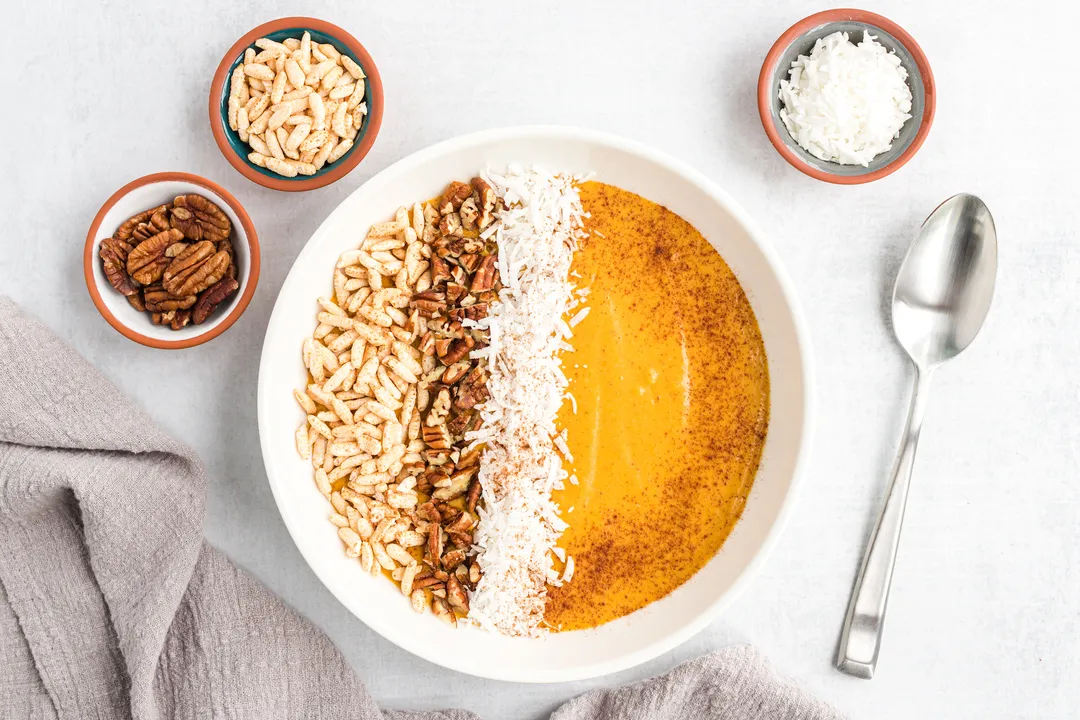
One of the most celebrated advantages of consuming orange-fleshed pumpkins like the Dickinson variety is the profound support they offer to eye health. The brilliant color of the pumpkin is due to beta-carotene, a carotenoid that the human body efficiently converts into Vitamin A. Vitamin A is foundational for maintaining clear vision, particularly in dim light, and is crucial for the proper functioning of the cornea, which focuses light onto the retina.
The protective action doesn't stop there. Research indicates that a consistent intake of beta-carotene, alongside other nutrients found in pumpkin, may help prevent the onset or progression of Age-Related Macular Degeneration (AMD), a common cause of vision loss in older adults. Beyond beta-carotene, pumpkins also contain other beneficial carotenoids, specifically lutein and zeaxanthin, which are known to actively guard the eyes against damaging oxidative stress. It is often noted that obtaining these compounds through whole foods like pumpkin is preferable to relying solely on supplements.
# Skin Defense
The benefits derived from pumpkin’s carotenoid content extend beyond the eyes to promote healthy skin function. As an excellent source of Vitamin C, pumpkin aids the body's natural production of collagen, the structural protein essential for skin integrity and elasticity. Moreover, the high concentration of antioxidants, including beta-carotene and alpha-carotene, offers defense against photodamage caused by the sun’s ultraviolet rays. Alpha-carotene, in particular, may play a role in slowing down visible signs of aging.
Interestingly, traditional applications also point to the skin-soothing properties of pumpkin derivatives. For those dealing with inflammatory skin conditions, studies have investigated pumpkin oil, finding that it may be beneficial when used alongside steroid medications for conditions like chronic hand eczema, potentially allowing for a lower necessary dose of the steroid medication. While eating pumpkin is beneficial systemically, incorporating this vitamin-rich food into your diet supports skin health from the inside out.

# Heart Balance
A diet incorporating pumpkin can be a valuable asset in maintaining cardiovascular well-being. This benefit stems from a wide spectrum of nutrients that work together to support the heart muscle and vascular system. Key players include Potassium, which is abundant in pumpkin, helping to maintain a regular heartbeat, regulate bodily fluids, and assist in keeping blood pressure within a normal range.
The fiber content of pumpkin also contributes significantly to heart health by playing a role in lowering elevated cholesterol levels and potentially helping to regulate blood pressure. Furthermore, pumpkin supplies essential minerals like Magnesium, which is critical for proper muscle contraction and overall cardiovascular function. When you consume whole pumpkin—whether roasted or pureed—you are supplying your body with vitamins A, C, and B vitamins, copper, and folate, all contributing to a supportive matrix for a healthy heart.
# Gut Function
For digestive health, pumpkin functions as an excellent source of dietary fiber, a necessity for maintaining regular bowel movements and overall gut health. Fiber promotes feelings of fullness, which can assist with weight management by potentially reducing overall food intake. Beyond standard fiber, the peel of the pumpkin contains polysaccharides believed to encourage the growth of beneficial gut bacteria while potentially inhibiting harmful bacterial growth.
The presence of Zinc in pumpkin is another advantage, as it is thought to help improve the integrity of the intestinal barrier—the lining that regulates nutrient absorption and blocks unwanted substances from entering the bloodstream. Additionally, pumpkin contains cucurbitin, an amino acid that has historically been noted for its potential role in helping to clear intestinal worms. When preparing fresh pumpkin, remember that the seeds and the attached stringy pulp are usually removed, but that fiber-rich pulp, once cooked, contributes substantially to your daily intake.

# Cancer Protection
The high concentration of antioxidants in pumpkin flesh and seeds is frequently linked to protection against chronic diseases, including several forms of cancer. The body uses beta-carotene to neutralize free radicals, unstable atoms that cause oxidative stress and cell damage that can lead to diseases like cancer and dementia. When tumor cells do begin to form, beta-carotene may step in to hinder their progression.
Specific components of the pumpkin plant show promise in studies. Pumpkin seed extract, for example, has shown an ability in vitro to inhibit the growth of cancer cells in the breast, prostate, and colon by up to 50%. The presence of the phytochemical cucurbitacin, which is unique to the Cucurbitaceae family, has also been demonstrated to reduce the secretion of inflammatory cytokines, a process associated with cancer cell proliferation. Furthermore, the National Institutes of Health suggests that consuming higher amounts of beta-carotene may lower the risk of developing lung and prostate cancers, though this is less established for supplements than for dietary sources.
# Seeds Power
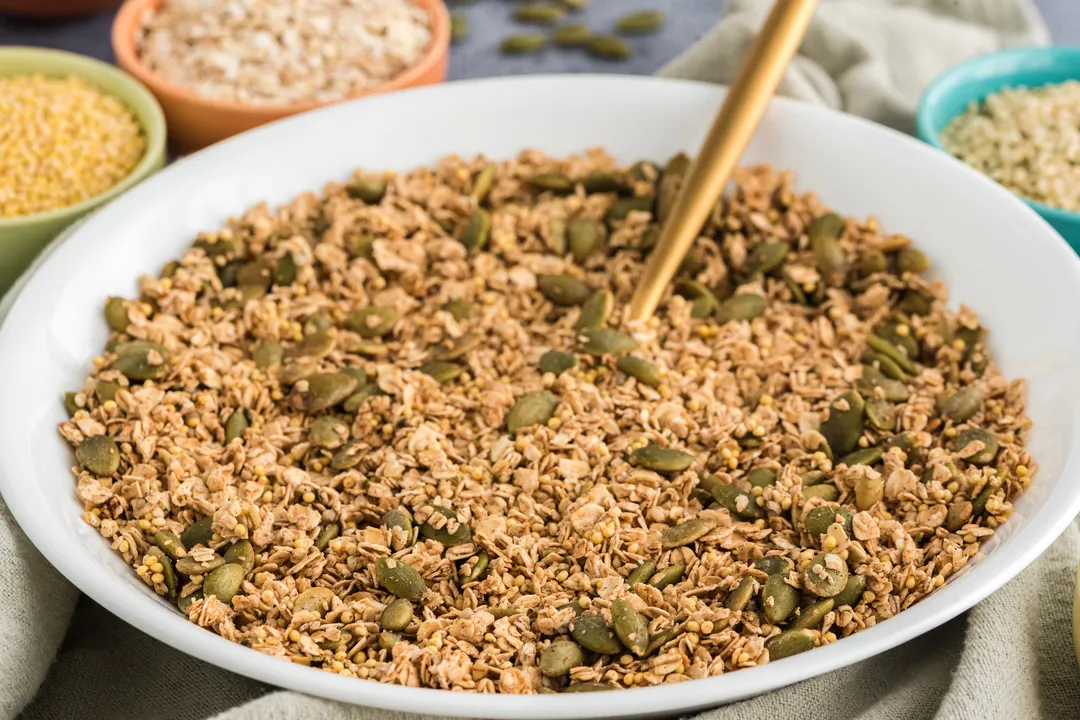
Don't discard the seeds when preparing your Dickinson puree. Pumpkin seeds, often called pepitas when shell-free, are a nutritional powerhouse in their own right. A small serving of seeds delivers a substantial amount of healthy fats, predominantly poly- and mono-unsaturated fatty acids. They are an excellent source of plant-based protein (about 9.2g per ounce) and are extremely rich in minerals.
The seeds are a standout source of Magnesium (providing nearly 40% of the DV in an ounce) and Manganese (over 40% of the DV). They also pack a significant punch of Zinc, Iron, Phosphorus, and Vitamin K. These nutrients support prostate health, improve heart function by reducing blood pressure and increasing "good" cholesterol (partially through nitric oxide production), and aid in better sleep due to their tryptophan content.
# Preparation Notes
The path to reaping these benefits involves mindful preparation, especially when dealing with the Dickinson variety, which is often commercially pureed. While canned, unsweetened 100% pumpkin puree is convenient and retains much of the nutritional value of fresh squash—sometimes even boasting more fiber due to water removal—it is essential to read labels to ensure no added sugars or fats are present. For fresh preparation, opt for smaller "pie pumpkins" or "sugar pumpkins" over the large carving types, as the latter are less sweet and more fibrous.
When roasting pumpkin chunks drizzled with olive oil and seasoned simply with salt and pepper, you are maximizing the absorption of fat-soluble Vitamin A from the beta-carotene. Considering the source materials highlight that pumpkin has a high glycemic index (GI of 74) but a very low glycemic load (GL of 6.4) due to its high fiber content, it suggests that pairing pumpkin with healthy fats or proteins—like eating roasted pumpkin alongside nuts or a lean protein dish—can further slow down glucose absorption, making its carbohydrate impact even more manageable for stable blood sugar levels. As a final note of caution, because pumpkin is naturally high in potassium, individuals managing kidney disease or taking specific medications should consult a physician regarding high daily consumption to avoid the risk of hyperkalemia.
Related Questions
#Citations
Pumpkin: Health Benefits and Nutrition - WebMD
Pumpkin Can Be a Healthy Treat | Mount Sinai Today
Is Dickinson Pumpkin Keto-Friendly?
Pumpkin offers health benefits - Mayo Clinic Health System
Incredible Health Benefits of Pumpkins & Pumpkin Seeds
Pumpkin Nutrition Facts and Health Benefits - Verywell Fit
The Power of Pumpkin - Ironwood Cancer & Research Centers