Health Benefits of Fluted Pumpkin

The fluted pumpkin, botanically known as Telfairia occidentalis, is a remarkably significant plant woven deeply into the culinary and traditional medicinal practices of West and Central Africa. You may know it better by its local names, such as Ugwu in Igbo communities, Egusi-iroko in Yoruba, or Ikong-ubong in Efik and Ibibio. Far from being just another green vegetable, this perennial climbing vine, which belongs to the Cucurbitaceae family, offers an impressive profile of nutrients and therapeutic potential that science is beginning to validate.
# Origins Identity
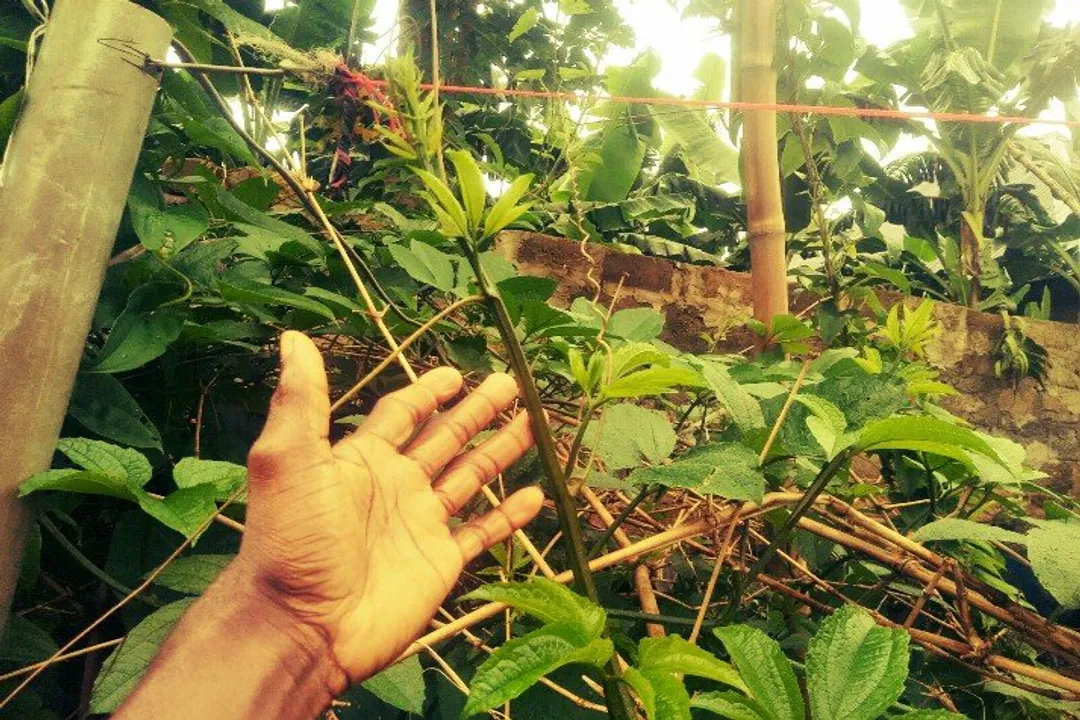
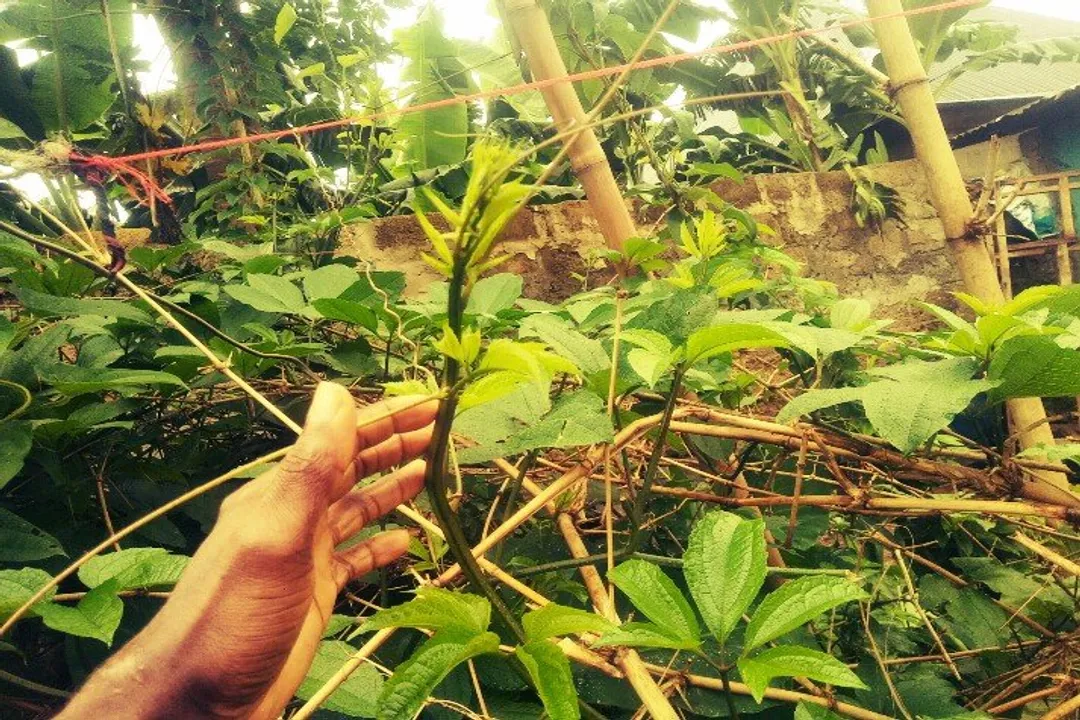
This tropical vine is predominantly cultivated in regions like Nigeria and Cameroon, where it thrives and serves as a staple dietary component. While it can grow quite long, sometimes reaching up to 15 meters, its primary value lies in its palatable leaves and nutrient-rich seeds. Cultivation practices vary, but understanding its environment—requiring well-drained, fertile, loamy soil exposed to good sunlight—helps appreciate the care that goes into bringing this food source to the table. Interestingly, research comparing Telfairia occidentalis to other greens, such as Vernonia amygdalina, shows that the fluted pumpkin leaves are distinctively higher in certain compounds like tannins and cardiac glycosides, even as both share significant antioxidant capacities.
# Nutritional Structure

The reason Ugwu leaves are so highly regarded becomes clear when examining their nutrient density. They function almost like a natural, locally sourced multivitamin. The leaves contain significant amounts of protein, fat, carbohydrates, and dietary fiber, all crucial for a balanced diet. Looking closer at the micronutrient breakdown, the leaves are noted for their high content of Iron and Calcium, alongside substantial levels of Potassium and Magnesium. Furthermore, they are known to supply essential vitamins, including Vitamin A and Vitamin C, as well as Vitamin B9 (Folate).
The seeds are also valuable; they have been assessed and found to be particularly rich in carbohydrates and fat, offering high caloric density and significant amounts of Phosphorus. This dual utility—nutritious leaves and caloric seeds—makes the entire plant a valuable asset to local food security and household nutrition.
# Disease Defense

The medicinal reputation of fluted pumpkin is strongly linked to its potent biochemical makeup, specifically its high concentration of phytochemicals. Scientific reviews confirm the presence of compounds such as flavonoids, phenolic compounds, saponins, tannins, and cardiac glycosides in the plant. These constituents are the drivers behind its documented therapeutic activities, particularly its ability to combat oxidative stress.
# Radical Scavenging
Oxidative stress, caused by an overabundance of unstable free radicals in the body, is implicated in the development of many chronic and degenerative ailments. The leaves of Telfairia occidentalis are justified in traditional Nigerian medicine for treating conditions related to these reactive oxygen species (ROS) because they possess strong antioxidant and free radical scavenging abilities. The presence of carotenoids, including alpha-carotene, beta-carotene, lutein, and zeaxanthin, allows the plant to neutralize these harmful molecules, thereby shielding cells and potentially lowering the risk for chronic diseases like heart disease and certain cancers. Research investigating aqueous leaf extracts has confirmed that this action can suppress the lipid peroxidation chain reaction associated with cellular damage.
# Inflammation Control
Beyond simple scavenging, the plant demonstrates anti-inflammatory properties. In laboratory evaluations, aqueous leaf extracts of T. occidentalis were shown to markedly inhibit inflammation by reversing elevated levels of inflammatory markers such as IL-1 and TNF-. This finding aligns with its traditional use for managing chronic and inflammatory conditions.
# Systemic Health Support
The rich nutrient and phytochemical profile translates into tangible support for several key bodily systems.
# Blood Building
Fluted pumpkin is often called a "natural blood tonic" and is traditionally recommended for individuals suffering from blood shortages. Its high iron content is key to its function as a blood booster, helping the body produce essential red blood cells and maintain energy levels. The presence of folate further supports this by aiding in the increase of hemoglobin and red blood cells. Considering this anti-anemic potential, a helpful practical application would be to intentionally pair cooked Ugwu with a source of natural Vitamin C, like tomatoes or lemon/lime juice often added to soups or vegetable mixes; this synergy is known to significantly enhance the body’s ability to absorb plant-based iron, maximizing the tonic effect.
# Skeletal Strength and Digestion
To maintain structural integrity, the body needs specific minerals, which Ugwu supplies well. The significant presence of calcium, potassium, and magnesium makes it beneficial for maintaining strong bones and teeth. On the digestive front, the high dietary fiber content is crucial for keeping the system functioning smoothly. This fiber aids digestion, helps prevent constipation, and may reduce the risk associated with irritable bowel movements and indigestion problems like ulcers.
# Cognitive Function and Age Management
The blend of vitamins and magnesium present in pumpkin leaves has been linked to benefits for the brain and nervous system. Specifically, traditional knowledge suggests these leaves can help improve memory, cognitive reasoning, and may even offer protective effects against conditions like Dementia and Alzheimer's disease. Furthermore, the high concentration of antioxidants contributes to the plant’s reputed anti-aging effects, helping to slow down the aging process at a cellular level.
# Metabolic and Reproductive Roles
Telfairia occidentalis is also noted for helping keep metabolic conditions in check. It is cited as an anti-diabetic agent, with certain components, such as polysaccharides and ethyl acetate, potentially helping to lower blood glucose levels and improve the body’s glucose tolerance. In reproductive health, its unique combination of nutrients, including oleic acid, Vitamin A, alkaloids, tannins, and linoleic acid, has led to its use as a traditional remedy for infertility in both men and women, with claims of improving sperm count. For nursing mothers, it is especially valued for its ability to naturally boost breast milk production.

# Consumption Methods
The versatility of fluted pumpkin leaves is one of their greatest assets, allowing easy integration into daily meals, whether you are cooking traditional recipes or experimenting with new ones.
The most common methods involve cooking:
- Adding washed and chopped leaves towards the end of preparing staple Nigerian soups like Egusi or Ogbono.
- Stir-frying them simply with onions, peppers, and a preferred oil for a flavorful side dish to accompany staples like yam or rice.
For those looking for less traditional methods, the leaves can even be blended into smoothies alongside fruits like banana or pineapple to create a very nutrient-dense drink. Finely chopped leaves can also be incorporated directly into omelets for a healthier breakfast option. Even the seeds are not wasted; they are edible and can be cooked and eaten, or the oil extracted from them can be used for cooking.
While the focus is often on the leaves, it is worth noting that research has extended to other parts, such as the root. The root extract has been found to contain high levels of minerals like Magnesium, Iron, and Manganese. However, it is crucial to note that studies assessing the root's toxicity indicated moderate toxicity at very high concentrations (LD₅₀ approximately $3200$ mg/kg). This highlights an important consideration: while the entire plant holds phytochemical value, maintaining a focus on the traditionally consumed leaves and seeds is generally advisable for consistent, safe dietary intake, avoiding speculation about consuming high quantities of unprocessed root material.
# Restorative Capacity
Scientific evaluation has shown that Telfairia occidentalis can offer restorative benefits, particularly concerning damage caused by malnutrition or external stressors. For instance, in studies involving rats with Protein Energy Malnutrition (PEM) that resulted in liver damage, recovery diets involving T. occidentalis supplementation significantly reduced elevated liver function enzymes and oxidative stress markers while increasing the levels of protective antioxidant enzymes. In fact, the study concluded that supplementation with the leaves alongside protein repletion was more effective at reversing oxidative brain damage caused by malnutrition than simply replenishing protein alone. These findings strongly suggest that the plant’s compounds possess significant restorative potential, positioning the aqueous leaf extract as a promising candidate for future drug development aimed at managing oxidative stress.
For those incorporating this vibrant green into their diet, recognizing its documented role in supporting healthy blood production and overall antioxidant status provides strong motivation to experiment with it in soups, stir-fries, or even blended beverages.
#Videos
7 health benefits & uses of pumpkin leaf (ugu) juice - YouTube
Related Questions
#Citations
Health Benefits of Ugwu Leaves and How to Use them in meals.
7 health benefits & uses of pumpkin leaf (ugu) juice - YouTube
Fluted pumpkin: Significance and symbolism
EAT ME: Seven health benefits of pumpkin leaves (ugu)
FLUTED PUMPKIN (Origin, Health Benefits & How To Grow) - Waivio
9 Impressive Health Benefits of Pumpkin - Healthline
Some Medicinal Values of Telfairia occidentalis: A Review