What Mexican state is famous for moles?
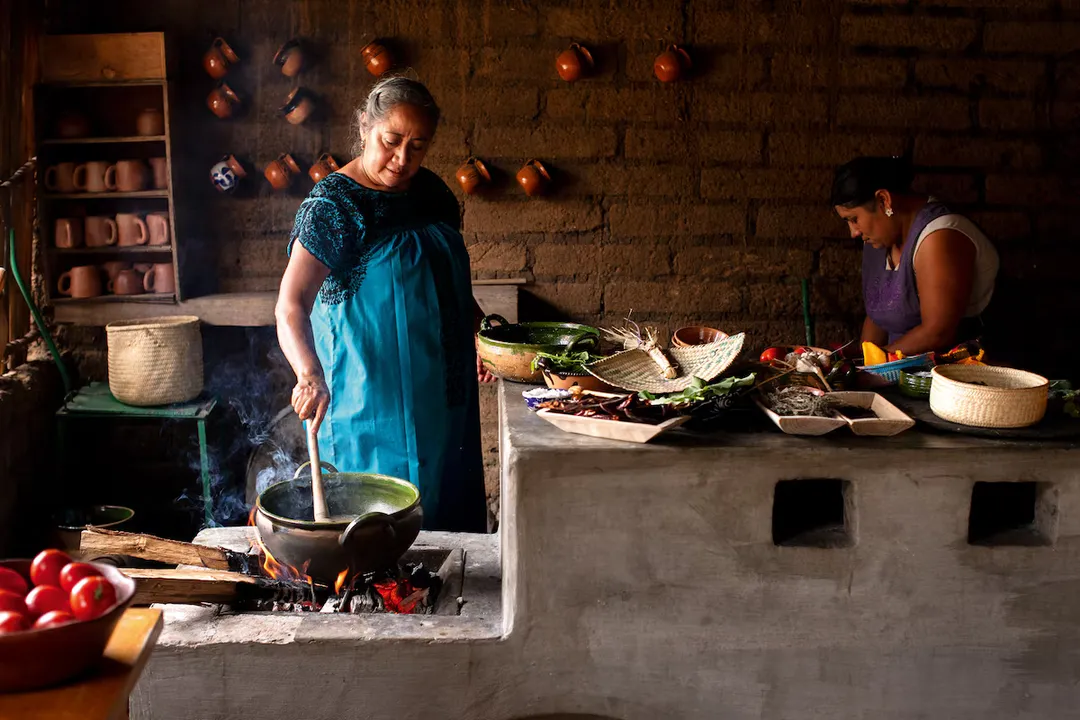
The Mexican state most renowned for its diverse and complex mole sauces is undoubtedly Oaxaca. While the beloved sauce is an iconic staple across Mexico, Oaxaca has earned a special designation, often being called the "Land of the Seven Moles". This rich culinary heritage stems from a deep history and an artful mastery of balancing dozens of ingredients, creating sauces that range from deep, dark, and smoky to bright, fruity, and intensely spiced. The sheer variety and the significance of mole within the Oaxacan identity place it firmly at the center of this gastronomic discussion.
# State Fame
Oaxaca’s claim to fame rests on its mastery and proliferation of these intricate sauces. Mole is far more than just a topping; it is central to celebratory meals, marking births, weddings, and important holidays. The tradition of mole making itself is a serious affair, often requiring days of preparation and involving entire families to toast, grind, and simmer the components. This commitment to the process is what sets the region apart in the national culinary landscape.
While other regions, like Puebla, are also historically associated with mole—Puebla famously lays claim to mole poblano—Oaxaca embraces a greater spectrum of finished sauces, leading to its specific moniker. The cultural importance means that if you are seeking the most exhaustive and celebrated collection of mole styles, your destination is Oaxaca.
# Canonical Seven
The concept of the "Seven Moles of Oaxaca" serves as a traditional framework for understanding the region's offerings. It is important to recognize that this list is a starting point, rather than an absolute, rigid inventory, but these seven represent the pillars of Oaxacan mole making. Mastering these seven styles demonstrates a true understanding of the regional culinary depth.
These seven essential moles are generally distinguished by their primary flavor profile, color, and main chili components.
Here is a look at the generally accepted seven styles:
- Mole Negro (Black Mole): Arguably the most famous, this mole is intensely dark, smoky, and complex. Its color comes from heavily charred or burnt chilies and often includes chocolate and an array of spices. It is a slow-cooked masterpiece, demanding patience.
- Mole Coloradito (Reddish Mole): This sauce is somewhat milder than the negro, possessing a distinct reddish hue and a slightly sweet and savory profile.
- Mole Rojo (Red Mole): Distinct from coloradito, the rojo is typically a brighter red and often relies on different dried chilies for its primary flavor base.
- Mole Amarillo (Yellow Mole): This lighter mole is savory and aromatic, characterized by its yellow color, which often comes from chilhuacle amarillo or other yellow chilies and spices like cumin and turmeric.
- Mole Verde (Green Mole): Unlike the darker moles, verde is built upon fresh ingredients like herbs, tomatillos, and fresh green chilies, resulting in a vibrant, fresh-tasting sauce.
- Mole Chichilo: A less common but historically significant mole, often dark in color, which gets a unique flavor from charred tortillas and bread used in the preparation.
- Mole Estofado (Stew Mole): This style is often described as being lighter or slightly more acidic than the others, sometimes incorporating fruits like raisins or plantains.
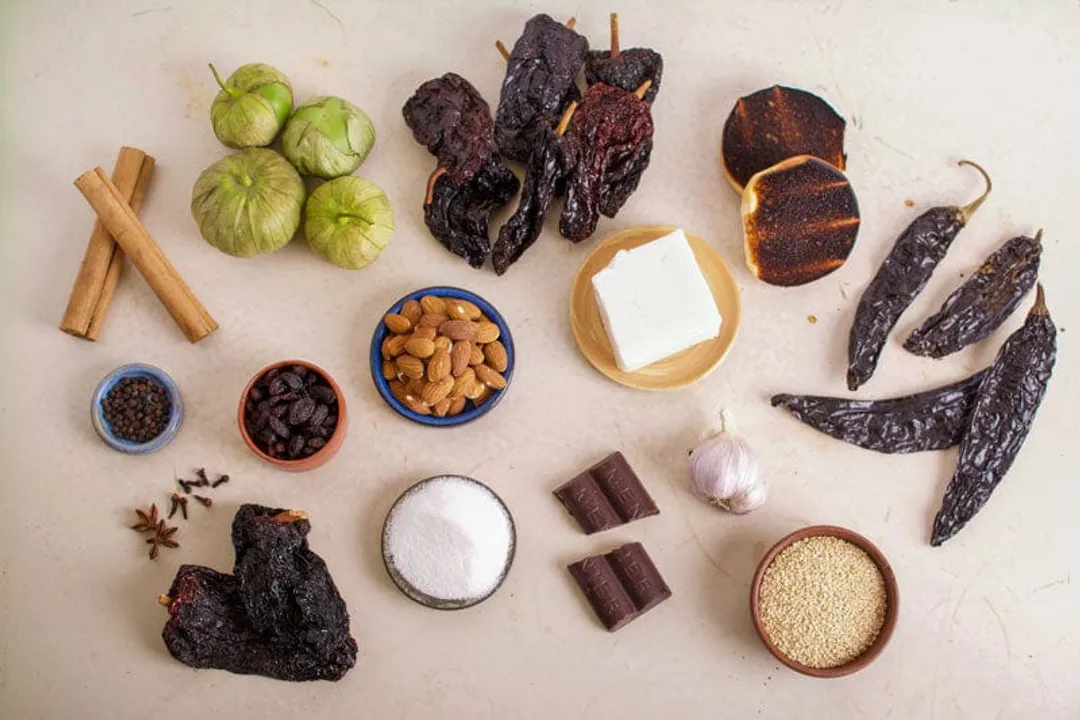
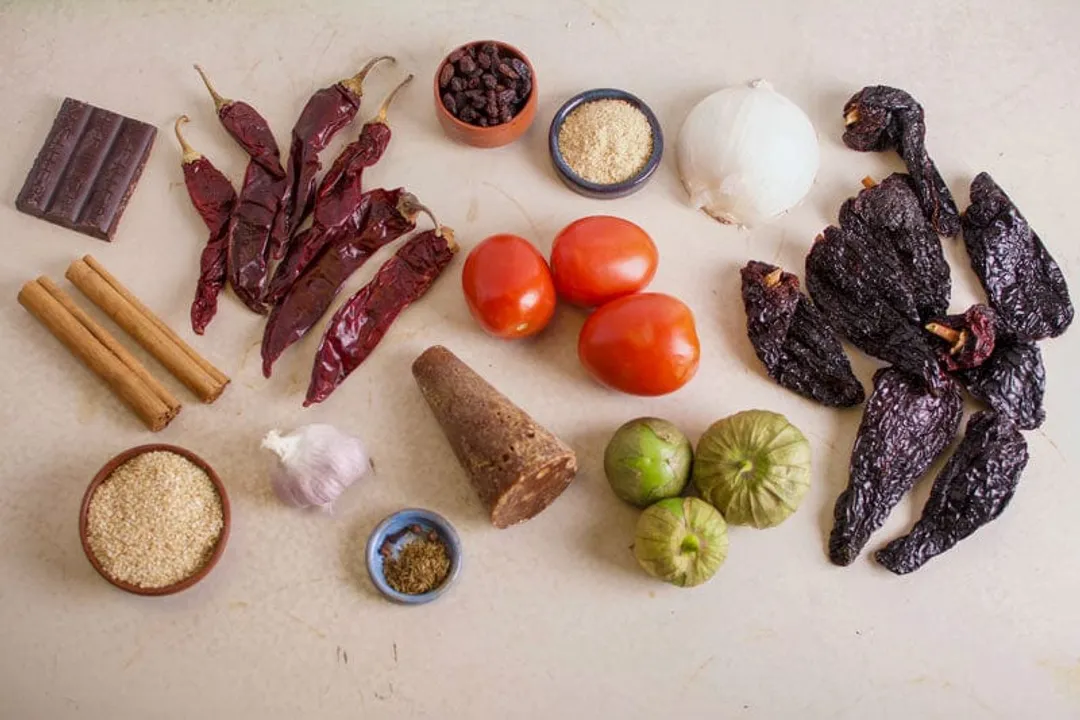
Creating any one of these is an endeavor in itself. The process often involves toasting or frying dozens of ingredients—including various chilies, nuts, seeds, spices, herbs, and sometimes chocolate—before grinding them, often with stale bread or tortillas, and then slowly simmering the paste with broth.
# Depth Beyond Seven
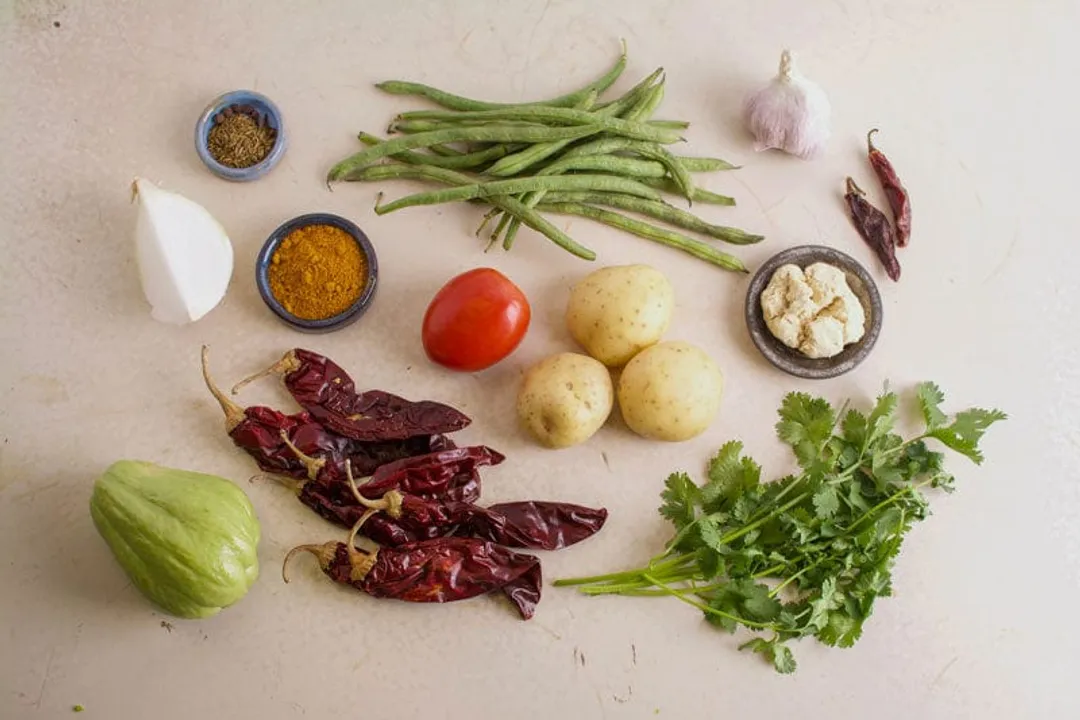
While the count of seven provides an excellent entry point into Oaxacan cuisine, a deeper dive reveals that the actual number of moles celebrated locally is much higher. Pati Jinich notes that Oaxaca boasts many more than just seven moles. This highlights an important truth about traditional Mexican cooking: regional varieties are abundant, and strict categorization can sometimes obscure the living, evolving nature of the cuisine.
Consider the ingredient list itself. A single mole recipe might call for anywhere from 20 to over 30 different ingredients. If you vary just the types of chilies—for example, substituting chilhuacle negro for pasilla oaxaqueño—you create a distinct mole, even if it falls under the general negro umbrella. An astute local cook might view the seven as archetypes, with dozens of personal or village-specific variations existing in practice. For the home cook attempting to replicate this authenticity, focusing on the quality and freshness of the chilies and spices used in the chosen recipe is far more critical than simply checking off the seven-mole quota. The spirit of mole making is rooted in meticulous sourcing and painstaking technique, not just numerical counting.
A fascinating element of Oaxacan mole making is the communal aspect that often surrounds the preparation of the largest batches. When preparing mole for major celebrations, the toasting of chiles, seeds, and nuts often happens in large quantities, sometimes requiring specialized, wide, flat griddles (comales) that can handle the necessary heat distribution. This scale of production turns a simple cooking task into a multi-day, group event, preserving the tradition across generations.
# National Footprint
Mole is recognized as Mexico’s iconic sauce, foundational to its culinary identity. While Oaxaca might be the undisputed champion of variety, the sauce is beloved across the entire nation. Different states contribute their own interpretations. For instance, while Puebla’s mole poblano is immensely famous internationally, other areas have distinctive styles that reflect local access to ingredients.
The very definition of mole, derived from the Nahuatl word mōlli, simply means "sauce". This broad definition allows for regional specialties that may look and taste very different from one another. Some moles might lean heavily on peanuts and sesame seeds, while others might emphasize dried fruits or specific local herbs. Despite these variations, the Oaxacan style—with its deep, layered flavors—remains the benchmark against which many other moles are measured. This contrast is what makes exploring Mexican cuisine so rewarding; the same base concept yields vastly different results depending on the geography.

# Sauce Complexity
The sheer ingredient list necessary for a true mole encapsulates why Oaxaca is so proud of its tradition. A successful mole often balances five primary flavor categories: heat (from chilies), sweetness (from fruit or sugar), sourness (from tomatillos or vinegar), savory depth (from spices and broth), and bitterness (from certain chilies or dark chocolate).
Achieving this balance is the challenge. Consider the texture; the sauce must be emulsified correctly so that the fats (often from nuts or lard) bind with the ground solids and the liquid base to create a smooth, luxurious coating rather than a grainy sludge. This textural precision is an acquired skill, one that takes years to perfect.
When preparing mole outside of its native region, one significant hurdle is sourcing the correct array of dried chilies. In places far from Oaxaca or Puebla, substitutions are often necessary. While using readily available ingredients like ancho or mulato chilies can create a good approximation, the subtle, specific profiles unique to Oaxacan chilhuacle varieties are difficult to replicate exactly. This scarcity of specialized components reinforces the idea that authentic, world-class mole is inherently tied to the region where those ingredients naturally thrive.
For those interested in attempting the process, understanding that toasting each component individually before grinding is key to unlocking its full flavor potential. Different ingredients require different levels of heat and time to reach their peak flavor—a sesame seed toasts much faster than a thick piece of dried chili—and rushing this step leads to a muddied final flavor profile.
# Preparing At Home
If you find yourself inspired to make a mole at home, whether in the Hudson Valley or anywhere else, remember that the experience itself is educational. Start small, perhaps with a mole coloradito or amarillo, as they tend to be slightly more forgiving than the monumental mole negro.
A Simple Preparation Guideline:
- Source Wisely: Purchase the dried chilies whole and toast them lightly in a dry pan until fragrant, being careful not to burn them.
- Sauté/Toast Separately: Toast nuts, seeds, spices, and aromatics (like garlic and onion) one by one until fragrant.
- Grind: Process all dry, toasted ingredients into a fine powder or paste, perhaps using a high-powered blender if a traditional metate is unavailable.
- Simmer & Season: Form a base paste by frying the ground mix in lard or oil, then slowly incorporate warm chicken or turkey broth, adding thickening agents like bread or chocolate as needed.
- Rest: Allow the sauce to simmer on low heat for hours, letting the flavors meld and deepen.
Ultimately, the fame of Oaxaca lies not just in naming seven moles, but in the centuries-old cultural commitment to making them the most soulful, intricate, and celebrated sauces in all of Mexican cooking.
Related Questions
#Citations
Mole (sauce) - Wikipedia
#Oaxaca is known as the land of the Seven Moles... but... they have ...
What is Oaxacan mole and where to eat it | National Geographic
Making the 7 Moles of Oaxaca in 7 Days: A Survivor's Guide
In Search of the Best Mole in Mexico - Go World Travel Magazine
Mexican Mole: A Rich and Regional Traditional Sauce - Wenatchee
Mexico's iconic and most famous sauce. - The Cultural Kitchen
Inside the Intimate, Flavor-Filled World of Mole-Making in the ...
Unwrapping the Mystery of Mole - Vera Mexicana