What state in the United States has the best seafood?
The quest to name a single state holding the title for the nation’s premier seafood experience is less about finding a factual answer and more about navigating a delicious, deeply rooted regional rivalry. The best seafood often depends entirely on what you are craving, as the geography of the United States dictates distinct aquatic offerings, from the icy North Atlantic to the warm waters of the Gulf of Mexico and the vast Pacific. [2] While some states lay claim through sheer volume or historic fishing prowess, others earn their reputation through culinary innovation and the freshness of their catches, whether it's a steaming pot of crustaceans or pristine raw preparations. [5]
# Coastal Division

The country's seafood excellence is naturally segmented by its proximity to different bodies of water, each body fostering unique ecosystems that dictate local specialties. The conversation typically revolves around three main theaters: the Northeast, dominated by cold-water shellfish; the South and Gulf Coast, famous for shrimp and oysters; and the Pacific Coast, known for wild salmon and unique crab varieties. [2][4] Even states far from the ocean participate through high-volume imports or specific freshwater catches, though the traditional heavy-hitters are invariably coastal. [3]
# Northeast Classics
When thinking of New England, images of bright red lobsters emerge, and this region holds significant authority in that domain. [4] Maine is frequently cited in discussions of top-tier seafood destinations, primarily for its iconic American lobster, which thrives in the cold, clear waters off its coast. [1][5] The experience there is often tied to tradition, from the casual clam shack to the more established harborside restaurants. [4] Massachusetts, particularly around Boston, also stands as a major hub, known not just for lobster but also for excellent clam chowder and fresh Atlantic cod. [2][7]
A key difference in the Northeast experience is the emphasis on shellfish preparation. While a Maine lobster often appears simply boiled or steamed, the culture around littlenecks and steamers (clams) is profound, demanding a deep appreciation for minimal seasoning to let the natural salinity shine through. [8] If you find yourself in this region, understanding the difference between a steamer and a littleneck clam, and knowing the proper technique for dunking bread into that buttery, briny broth, marks you as an initiated consumer.
# Gulf Bounty

Shifting south, the Gulf Coast presents an entirely different, though equally compelling, case for seafood supremacy. This area is arguably the nation's powerhouse for shrimp and oysters, often commanding intense local loyalty. [4] Louisiana, with New Orleans as its culinary epicenter, is frequently mentioned in passionate arguments for the top spot due to its intense culinary culture surrounding its catches. [1][5] Crawfish boils, seasoned to an almost painful level of spice, are a cultural institution here, representing more than just a meal; they are a social event. [2]
Oysters from the Gulf, particularly those from areas like Apalachicola Bay in Florida or various Louisiana parishes, are prized for their slightly sweeter, butterier profile compared to their East Coast counterparts, although this flavor profile sometimes leads to less preference in certain raw bar circles. [4] Texas and Alabama also feature heavily in Gulf discussions, focusing on high-volume Gulf shrimp and dependable oyster harvests. [7] The experience in the South often involves larger gatherings and bolder flavors, contrasting sharply with the more restrained elegance of the Northeast lobster boil.
# Pacific Excellence

The West Coast brings its own distinct flavors to the table, driven by the cold, deep waters of the Pacific Ocean. Alaska consistently ranks highly due to its reputation for world-class salmon—think King (Chinook) and Sockeye—and massive crab harvests, particularly Alaskan King Crab and Snow Crab. [2][4] The sheer remoteness and strict fishing regulations in places like Alaska often translate into a premium product, commanding higher prices but justifying them with quality. [1]
Further south, states like Washington and Oregon are celebrated for their Dungeness crab, which many connoisseurs prefer over the Eastern Blue Crab for its sweeter meat and easier shelling. [5][8] Furthermore, the Pacific Northwest is famous for its diverse oyster varieties, which reflect the specific estuaries they come from—from briny to cucumber notes. [7] California, with its massive coastline, offers everything from Santa Barbara spot prawns to sand dabs, though it sometimes gets overlooked when the conversation focuses solely on the giants like Alaskan King Crab or Maine Lobster. [4] When evaluating Pacific offerings, the texture and fat content of wild salmon, often prepared simply grilled or smoked, provide a clear marker of quality that rivals any shellfish. [10]
# Data and Desire

While anecdotal evidence and regional pride fuel much of the debate, looking at consumption or interest patterns offers a different perspective. For instance, while lobster might dominate regional thought in New England, national search interest suggests other species hold broader appeal. [6] A review of what seafood Americans search for online indicates that popular desires often circle back to shrimp, which is versatile and accessible nationwide, followed by salmon and then often lobster, showing that availability and versatility play a role in perceived "best" status alongside raw quality. [6] This suggests that the state best known for its dominant, high-cost specialty (like lobster) may not be the state that captures the most widespread culinary attention on a daily basis. [3]
If we consider the states producing the most seafood by volume, states like Alaska, Louisiana, and Maine frequently top the charts, reflecting the immense scale of their respective fisheries. [3] However, volume does not always equate to the best culinary experience; a state might harvest tons of less desirable species while producing a small amount of a world-class delicacy. [3]
# Defining Quality Across States
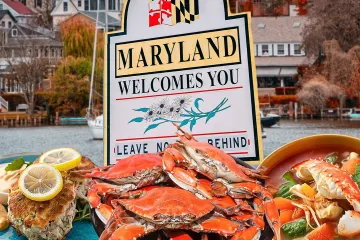
To truly assess quality, one must look beyond the primary catch and examine the supporting cast and the preparation methods. For example, while Maryland is synonymous with the Blue Crab, the way they prepare it—steamed heavily with Old Bay seasoning—is as crucial to the experience as the crab itself. [7][8] This seasoning application is an expert technique in itself; too little, and the crab is bland; too much, and you mask the sweetness. Mastering that balance is an intangible skill that elevates the state’s reputation. [4]
An original observation comes when comparing preparation philosophy: the seafood culture of the Gulf Coast tends to embrace intensity of flavor—heavy spice, rich sauces like étouffée, or deep-frying—to complement the naturally robust flavors of shrimp and lower-salinity oysters. Conversely, the West Coast often leans toward purity, aiming for ingredients like Dungeness crab or wild King Salmon to be served nearly naked, relying on exceptional freshness and technique like smoking or grilling over wood. [10] The Northeast often sits between these two, celebrating the natural flavor of the catch (lobster) but relying on simple, traditional accompaniments (melted butter, chowder base). [2]
When traveling to find the best, a useful, actionable tip is to look beyond the tourist traps advertising the state's most famous item. Seek out the local dockside markets or restaurants that serve a lesser-known local specialty. For instance, if you are in the Pacific Northwest, don't just order the salmon; ask what oyster variety is peaking that week, as the seasonality of bivalves often dictates peak quality in a way that larger finfish or crab do not. [7] In the South, look past the ubiquitous shrimp baskets and try a local, traditional gumbo recipe, which showcases depth of flavor developed over hours, utilizing several different components of the local harvest. [9]
# Regional Standouts and Expert Picks
Various experts and publications have attempted to pinpoint the very best, often resulting in a slightly different champion depending on the criteria used. Food Network, for example, features recognized establishments across the country, highlighting places that have achieved national acclaim, which speaks to consistent execution rather than just geographic luck. [10] Yelp reviewers frequently point to specific establishments in coastal cities like Seattle, Charleston, and Portland, Maine, suggesting that local density of high-quality options contributes significantly to a state's overall ranking. [7]
When compiling lists of the best, certain states appear with remarkable consistency:
| State | Primary Association(s) | Cultural Element Cited |
|---|---|---|
| Maine | Lobster, Clams | Traditional Clam Shacks [4] |
| Louisiana | Shrimp, Crawfish, Oysters | Spice and Crawfish Boils [2] |
| Alaska | King Crab, Salmon | Remoteness and Purity [4] |
| Massachusetts | Cod, Chowder | Historic Fishing Ports [2] |
| Washington | Dungeness Crab, Oysters | Estuary-specific oyster profiles [7] |
This comparative view shows that no single state dominates every category; instead, states specialize. If a visitor prioritizes the drama of the dining experience and bold seasoning, Louisiana holds a strong lead. If the goal is pristine, cold-water shellfish that requires minimal dressing, Maine is the clear contender. [5]
A second point of analysis involves the supply chain itself. The states that truly excel are often those where the fishermen, the distributors, and the chefs maintain an exceptionally tight feedback loop. In smaller, more remote fishing communities, such as those in coastal Alaska or isolated parts of the Gulf Coast, the time from "catch" to "plate" is often minimized, which is arguably the single biggest determinant of superior seafood quality, overshadowing even the species itself. [2] This direct connection is why a small, nameless shack near a working harbor can often serve superior product compared to a famous restaurant hundreds of miles inland, even if that inland spot flies in the same species. [8]
# Concluding the Debate
Ultimately, the answer to which state possesses the best seafood remains wonderfully subjective. It is a reflection of personal preference for texture, environment, and tradition. Is the best seafood the massive, steamed lobster pulled from the icy Atlantic, or the spicy, communal tearing apart of a mound of Gulf shrimp? Is it the pristine, fatty King Salmon flown in from the North Pacific, or the delicate, sweet meat of a Dungeness crab harvested just hours before serving?[1][2]
The most satisfying conclusion is that the United States offers multiple champions, each reigning supreme in their own culinary domain. Instead of seeking the best, perhaps the true appreciation lies in understanding why each region’s signature catch is so highly regarded, embracing the flavor dictated by that specific latitude and water temperature. [4] Whether you prefer the butter and the brine of the North or the heat and the spice of the South, a world-class aquatic meal is waiting somewhere along the American coast. [5][10]
#Videos
U.S. Cities With The Best Seafood - YouTube
Related Questions
#Citations
Which state has the best seafood? : r/AskAnAmerican - Reddit
Where to Sample the Best Seafood in the U.S. – Panama Jack®
Seafood by State 2025 - World Population Review
America's Best States For Seafood - Daily Meal
What states are known for seafood or the best seafood culture?
Seafood Is Most Searched Across the 50 States - Fulton Fish Market
Best Seafood in Every State 2025 - Yelp
The Hands Down Best Seafood Spot In Every US State - Chowhound
U.S. Cities With The Best Seafood - YouTube
50 States of Seafood | Food Network