What is vinegar best used for?
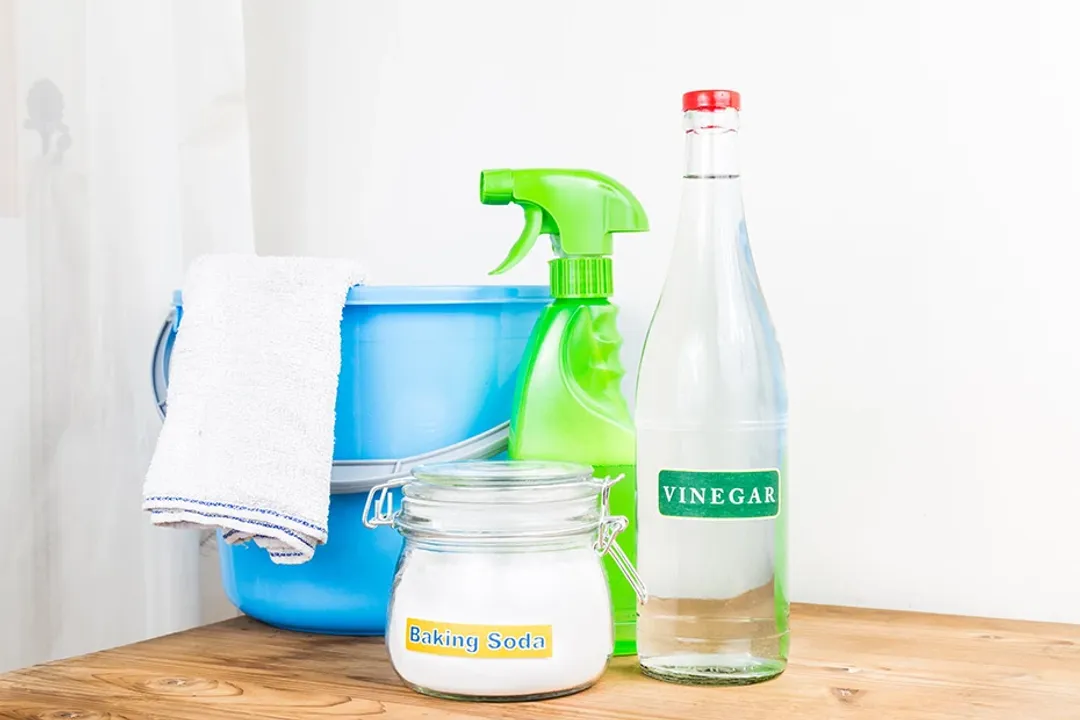
Vinegar, that ubiquitous, tangy liquid found in nearly every pantry, is far more than just a component for salad dressing; its acetic acid content transforms it into a surprisingly effective, inexpensive, and natural multi-tasker for the home and beyond. Whether you are looking to deep clean grime, preserve food, or even tend to minor beauty needs, understanding the right type of vinegar for the right job unlocks its full potential. While distilled white vinegar is often the go-to for cleaning due to its clear color and more neutral scent profile compared to strongly flavored varieties, others, like apple cider vinegar (ACV), bring unique benefits, especially when consumed.
# Household Helper
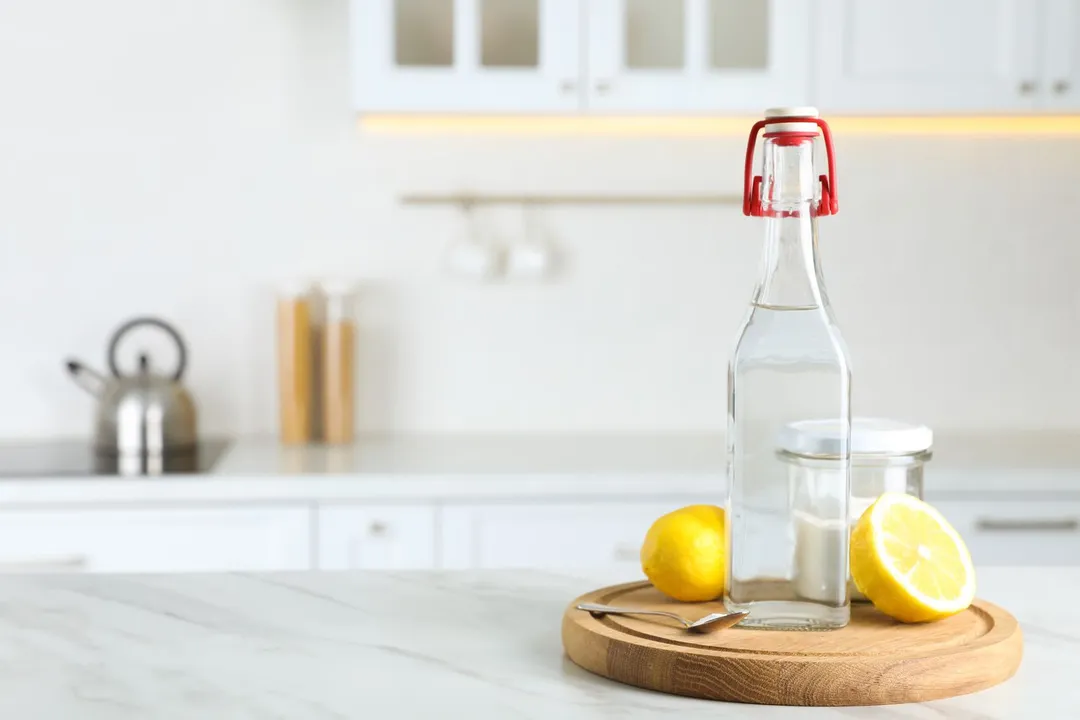
The acidic nature of vinegar, commonly exhibiting a pH value around 2.4, makes it excellent for tackling mineral deposits, soap scum, and various stains around the house. For general cleaning of many hard surfaces, a mixture of one part vinegar to one part water can be used effectively across the kitchen and living areas. However, for larger surface areas like floors, a more diluted approach is usually warranted, such as mixing about a half-cup of vinegar into a full gallon of water for mopping tile.
# Appliance Care
Appliances that heat water or run cycles frequently accumulate scale, which vinegar’s acidity is adept at dissolving. Coffee makers and kettles benefit significantly from this, often requiring a cycle run with an equal mixture of water and vinegar, followed by thorough rinsing to ensure no lingering taste remains. Similarly, the dishwasher can be refreshed by placing a mug containing about a cup of distilled white vinegar on the top rack and running a hot cycle to eliminate odors and mineral buildup. Washing machines also benefit, as adding a cup of white vinegar to an empty machine or running it through a hot cycle cleans the appliance, combats hard water scale, and is even confirmed by appliance manufacturers as an acceptable alternative to bleach for this task.
# Surface Cleaning Nuances
When cleaning glass, mirrors, and windows, streaks are the primary enemy. A key technique to prevent this is to lightly mist a microfiber cloth with a diluted solution—often a 1:1 ratio of vinegar and water—rather than spraying the surface directly. This method controls saturation and helps achieve a streak-free polish while minimizing the amount of airborne acid fumes. Beyond glass, vinegar is useful for dissolving the cloudiness left by hard-water stains on glass items by scrubbing with a rag dipped in distilled white vinegar, targeting calcium and magnesium buildup. For stainless steel, applying vinegar with the grain using a microfiber cloth can banish fingerprints and smudges. Vinegar is also effective at restoring tarnished silver by buffing the items with a vinegar-dipped cloth, followed by rinsing and drying.
# Tackling Residue and Odors
Stickers and labels, often leaving frustrating sticky residue, yield easily when soaked in white vinegar, allowing the adhesive to lift without much scraping. This acetic action also helps lift gum and soften candle wax from various surfaces, including wood and fabric. In terms of deodorizing, vinegar excels because it neutralizes smells rather than just masking them. A simple method involves placing shallow bowls of white vinegar in a room to absorb odors from smoke or strong cooking smells over about 24 hours. For pet owners, vinegar is particularly helpful for cat urine, as it effectively neutralizes the ammonia component, which may also discourage repeat marking in that spot. A 50/50 water and vinegar spray is frequently cited for this purpose on surfaces like laminate or tile.
An interesting side effect noted by users is that adding vinegar to the rinse cycle in laundry neutralizes potential residue left behind by detergents, fluffing up items like towels and linens without leaving them smelling like a pickle, provided the rinse is thorough.
# Flavor Balance
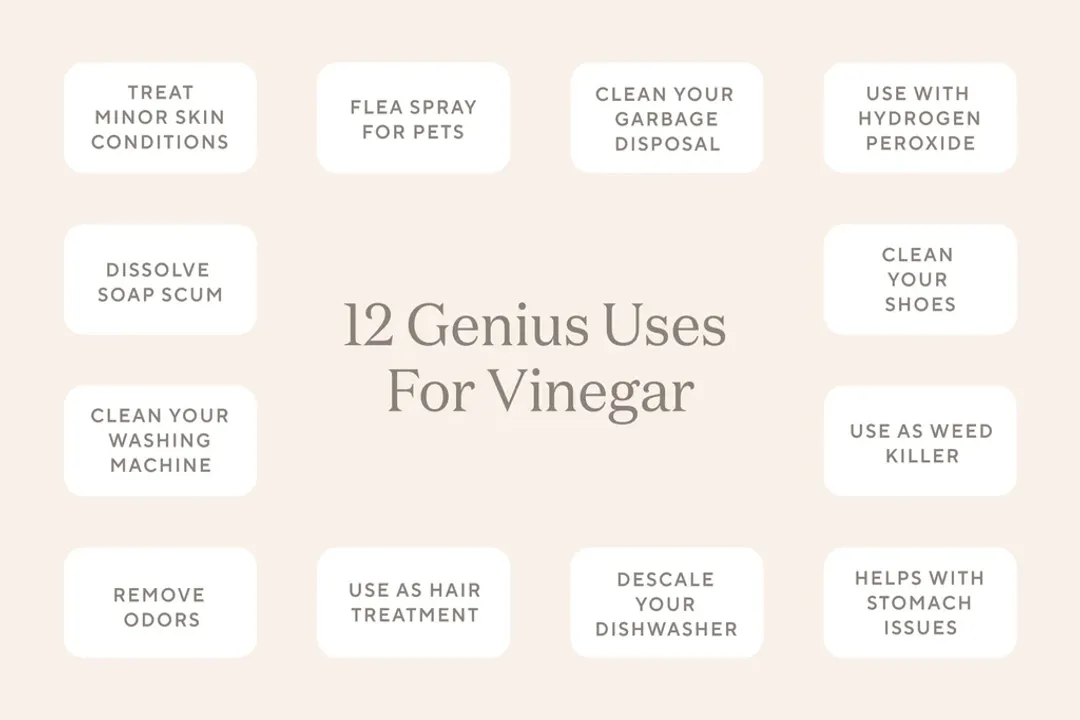
Vinegar’s role in the kitchen extends far past simply providing sourness; it can bring balance, brightness, and depth to many dishes. The acid content helps cut through richness, balancing fats without necessarily adding extra cream or oil to a recipe. Many culinary enthusiasts use different vinegar types to complement specific cuisines, noting that white distilled vinegar is often too harsh for delicate foods, making apple cider vinegar a better choice for general cooking, dressings, and marinades due to its subtle, tart fruitiness.
# Culinary Chemistry
Vinegar demonstrates a functional chemistry in food preparation. Its acid aids in breaking down muscle fibers, making it an effective tenderizer for tough meats when marinated for up to two hours in a half-vinegar, half-broth solution. However, this power requires caution with seafood; fish should only be marinated in vinegar for a maximum of about 20 minutes to avoid turning the texture mushy. When boiling eggs, adding a couple of tablespoons of vinegar per quart of water helps coagulate any escaping whites if a shell cracks mid-boil, keeping the mess contained. When a recipe calls for buttermilk and you are out, mixing one tablespoon of vinegar into one cup of regular milk and allowing it to sit for 10 to 15 minutes creates an adequate substitute for acid-base reactions in quick breads. For those who bake candy or icing, a few drops can actively prevent a grainy texture from forming.
# Flavor Profiles Comparison
The world of vinegar offers many options beyond the standard white variety:
| Vinegar Type | Base Ingredient/Origin | Flavor Characteristic | Common Use Example |
|---|---|---|---|
| Distilled White | Grain-based ethanol or lab-made acetic acid | Harsh, clean | Pickling, heavy cleaning |
| Apple Cider (ACV) | Apple Cider | Tart, subtle fruity | Salad dressings, general use |
| Wine Vinegar | Red or White Wine | Mellow, complex (when aged) | Enhancing fruit/melon sweetness |
| Rice Vinegar | Rice Sugars | Mild, clean, delicate | Sushi preparation, tender vegetables |
| Malt Vinegar | Malted Barley | Distinct malty taste | Traditional accompaniment to fish and chips |
A splash of vinegar just before serving can enhance savory dishes like soups, adding a necessary zing or brightness, much like a dash of salt might.

# Garden Defense

For those looking for non-chemical ways to manage yard pests or unwanted growth, vinegar provides an accessible solution, though it requires careful application.
# Pest Deterrence
In the garden or around the home, vinegar acts as a repellent because many insects dislike its smell. For trails of ants, spraying a mixture of equal parts water and distilled white vinegar directly onto anthills or entry points can encourage them to relocate. Vinegar is also employed as a fruit fly trap; a bowl of apple cider vinegar combined with a few drops of dish soap causes the attracted flies to sink and drown, or one can cover a jar of vinegar with plastic wrap poked with small holes.
# Weed Elimination
One of the most frequently mentioned non-culinary uses is weed killing. The acid works by drawing moisture out and breaking down the cell walls of the plant, causing shriveling. To achieve this, spray the solution directly onto the weeds on a dry, sunny day. If rain occurs shortly after application, reapplication will be necessary once things dry out. While highly effective at burning the foliage, it is crucial to remember that this method is non-selective; a mixture potent enough to kill dandelions will also kill desirable plants and grass if overspray occurs.
# Beauty and Wellness
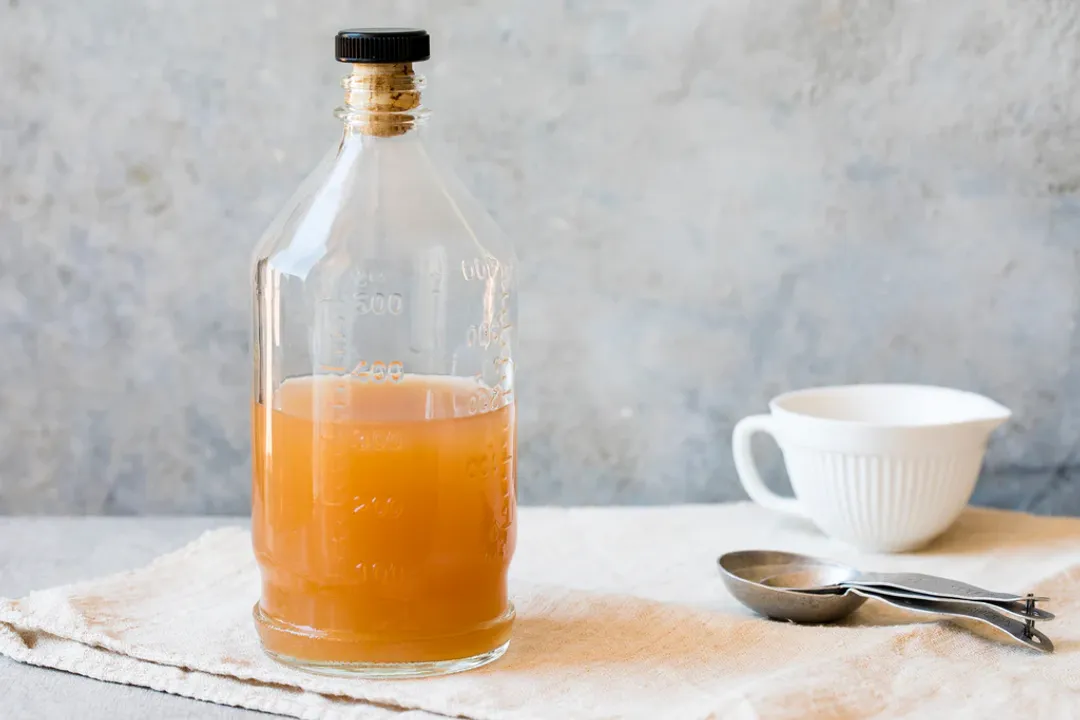
While cleaning dominates its practical uses, vinegar, particularly ACV, finds its way into personal care routines. For hair, an ACV rinse—often mixing 1 to 3 tablespoons of ACV with a cup of water—is claimed to dissolve shampoo buildup and add a sheen, though a thorough rinse is necessary to dissipate the smell. For skin care, diluted ACV is sometimes used topically to soothe minor irritations, rashes, or blemishes due to its antimicrobial properties, though a patch test is advised first. For digestive concerns, some individuals find relief from heartburn or sour stomach by consuming diluted ACV—perhaps one to two tablespoons mixed in a cup of water—believing it aids digestive secretions.
If you are utilizing ACV for ingestion or topical applications, it is important to consider its composition. High-quality ACV for consumption should be organic, naturally fermented, and contain "the mother"—the cloudy cluster of cellulose and bacteria that harbors nutrients.
A practical consideration when choosing ACV for consumption versus distilled white vinegar for cleaning relates to potency. Some sources indicate that real ACV may have a lower standard acidity, sometimes around 3.5%, compared to the standard 5% for distilled white vinegar. This difference is paramount in food preservation, as an inaccurate pH level can dangerously compromise safety if used for home canning where sterilization guidelines are strict.

# Surface Cautions
While vinegar is celebrated for its versatility, its acidic nature means it cannot be used on every surface without risking damage. Understanding these limitations is essential for preserving household items and finishes.
# Materials to Avoid
Never use vinegar on natural stone surfaces, such as marble or granite, as the acid can deteriorate sealants, leading to etching or a dull finish. Hardwood floors should also be avoided, as the finish can be damaged. Furthermore, stick to other methods for cleaning cast iron and aluminum cookware, delicate jewelry, and any electronic screens or devices. For instance, Consumer Reports specifically advises against using vinegar on electronic screens.
# Mixing Hazards
A critical safety rule involves what you mix vinegar with, as combining it with certain common household products can cause dangerous chemical reactions. Avoid mixing vinegar with:
- Bleach: Creates toxic chlorine gas.
- Ammonia: Produces harmful chloramine vapor.
- Hydrogen Peroxide: Forms peracetic acid.
While mixing baking soda and vinegar sequentially is safe and effective for cleaning drains or scrubbing, mixing them together in a closed container is prohibited due to the pressure and potential for the container to combust.
# Disinfecting Limitations
It is important to note that while vinegar possesses some antimicrobial qualities, it should not be relied upon as a heavy-duty disinfectant. Some testing has indicated that even full-strength vinegar may not effectively kill all bacteria, including E. coli, in certain exposure times. For guaranteed germ elimination, particularly in areas like bathrooms or after handling raw food, traditional or approved commercial disinfectants, or simply soap and water, remain the most reliable choices. Similarly, if you are trying to remove odors by simmering vinegar on the stovetop, be aware that heating the acetic acid can magnify its fumes, potentially irritating the lungs, especially for children, the elderly, or pets; wiping rather than spraying, and ensuring good ventilation, is a safer practice when cleaning with airborne applications.
Related Questions
#Citations
What do you use vinegar for? : r/Frugal
27 Smart (and Sustainable) Uses for Vinegar Around the House
12 Incredible Uses for Vinegar | HowStuffWorks
12 Ways To Use Vinegar In Your Home
30 Uses for Vinegar