What do Filipinos eat daily?
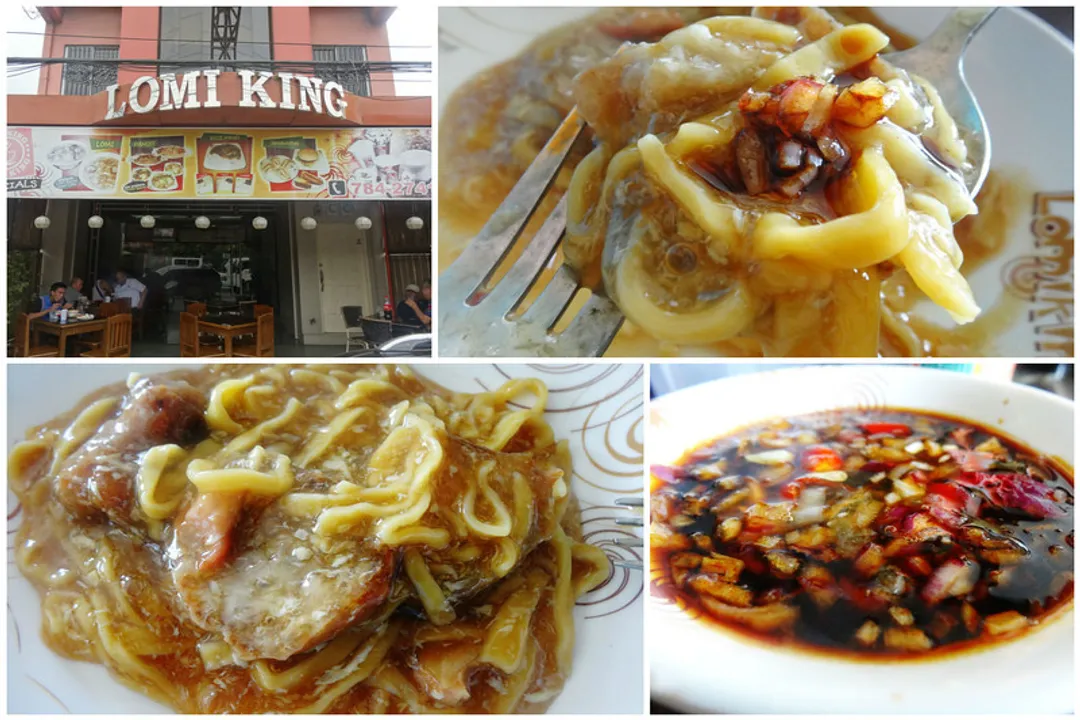
The Filipino plate is a study in satisfaction, built around a few core principles that govern what fills the table day in and day out. It is a cuisine characterized by its communal nature and the constant interplay of the primary tastes: salty, sour, and sweet. [5] Understanding the daily diet requires looking beyond the famous restaurant fare and focusing on the staples that anchor nearly every meal, which invariably begins and ends with rice. [2][4]
# Rice Staple

Rice, or kanin, is not just a side dish; it is the foundation upon which the entire meal is constructed. [2][4] It is the constant element, served at breakfast, lunch, and dinner, providing the bulk of energy for the day. [2] In many households, the meal is not considered complete without a generous serving of steamed white rice, which acts as the perfect neutral base to absorb the potent flavors of the accompanying main dishes, known as ulam. [4]
For instance, consider a typical midday meal. A person might have leftover adobo or perhaps a simple fried fish, but the essential component tying it all together is the mound of white rice. [2] The sheer volume consumed daily across the archipelago is staggering; it's common for a single Filipino to consume several cups of rice across three main meals. [2]
# Daily Meal Structure
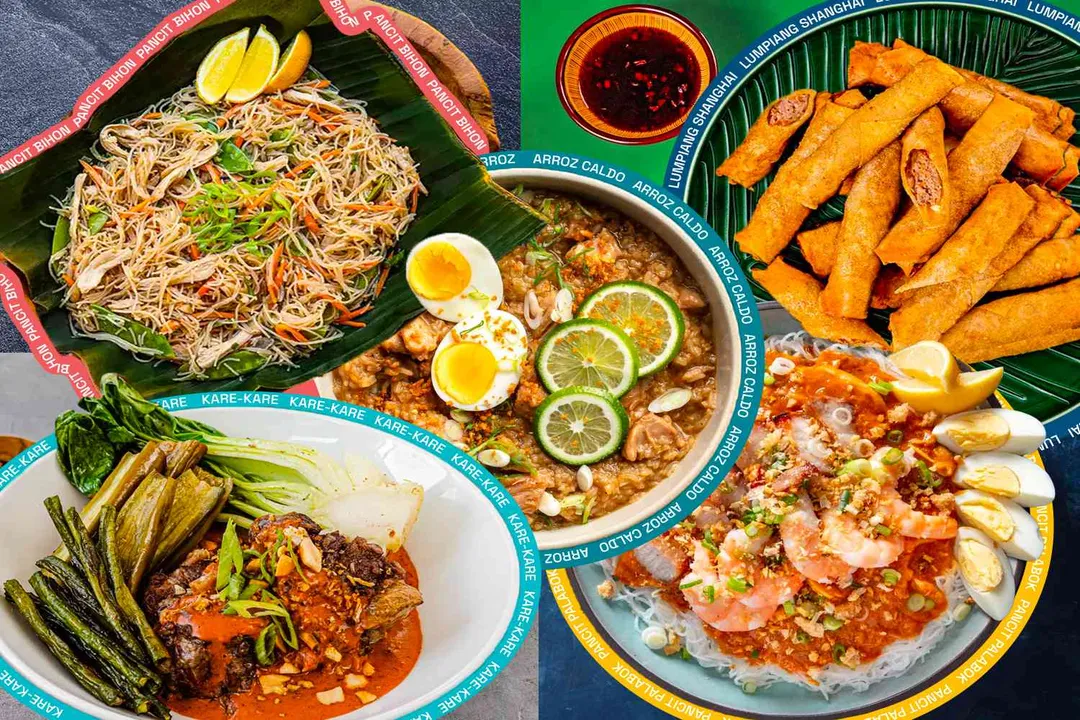
Filipino home cooking revolves around a pattern where the main dish provides the flavor, and the rice provides the substance. [4] While internationally recognized dishes like Sinigang (sour soup) or Lechon (roast pig) are celebrated, the everyday meals are often simpler, relying on quick-cooking methods or utilizing leftovers. [1][2]
# Breakfast
Breakfast is often a hearty affair, frequently involving rice combined with a savory protein. A common structure is the Tapsilog format—a generalization for a meal pairing sinangag (garlic fried rice) with a cured meat (tapa for beef, longganisa for sausage, or tocino for sweet cured pork) and a fried egg (itlog). [2] These combinations, often abbreviated using the suffix “-silog,” provide a substantial start to the day that fuels physical labor or a long commute. [2] If one is looking for a lighter start, toasted bread or simple fruit might suffice, but the rice-based savory option remains extremely prevalent. [2][8]
# Lunch Dinner
Lunch and dinner share a similar structural blueprint, though the main ulam might vary based on availability or what was cooked the night before. [4] Meals usually feature a protein—chicken, pork, or fish—prepared with a prominent sour or salty flavor profile. [7]
For example, Adobo, which involves stewing meat in vinegar, soy sauce, garlic, and peppercorns, is a beloved staple precisely because it keeps well, making it excellent for leftovers. [1][9] Similarly, simple preparations like Ginisang Gulay (sautéed vegetables) often accompany richer meat dishes, offering a necessary textural and nutritional contrast. [7] A person eating at home might have rice paired with Sinigang na Hipon (shrimp in sour broth) or perhaps Pinakbet (vegetable stew with shrimp paste). [2][7]
If we analyze the sheer frequency, dishes that are easily batch-cooked and reheat well—like Adobo, Menudo, or Caldereta—likely appear more often in the weekly rotation than dishes that require immediate service, such as fresh grilled fish or complex soups. [4]
# The Sawsawan Factor
One crucial element that adds daily customization, often overlooked by those new to Filipino food, is the sawsawan, or dipping sauce. [3] This is where individual preference takes center stage and transforms a standard dish. A single serving of grilled pork belly (inihaw na liempo) can taste entirely different depending on whether the diner dips it in a mixture of soy sauce, vinegar, onions, and chilies, or perhaps a lighter fish sauce blend. [3] This practice ensures that even if the main ulam is the same across neighbors, the actual flavor experience on the plate is highly personalized. [6]
# Core Flavor Profiles
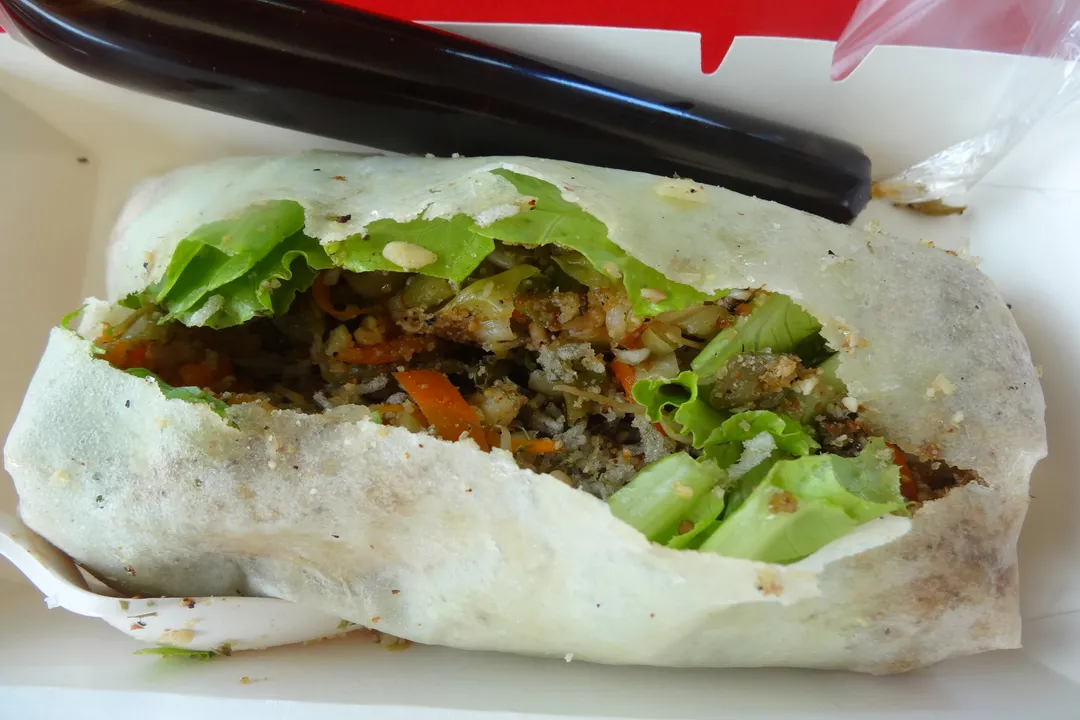
Filipino cuisine finds its identity not in a single spice but in the balance of dominant tastes. [5] The daily intake heavily features dishes that lean into sourness, saltiness, or a combination of both, balanced by sweetness. [5]
# Sourness
The prominence of sourness is perhaps the cuisine's most defining characteristic. [5] This acidity is usually derived from ingredients like vinegar, calamansi (a small citrus fruit), tamarind, or green mangoes. [1][5] Sinigang, often cited as a national favorite, showcases this perfectly—a tart, savory soup made sour usually with tamarind. [1] This sour element is critical as it cuts through the richness of fatty meats, making heavy meals feel lighter and more refreshing, a necessity in a tropical climate. [5]
# Salt and Umami
Saltiness provides the savory backbone, often coming from fermented products. Fish sauce (patis) and fermented shrimp paste (bagoong) are vital pantry items, providing deep umami notes to stews, sautés, and dipping sauces. [3][5] The careful application of these ingredients—often just a dash—is what separates a bland dish from a properly seasoned one, which is particularly important when cooking for daily consumption rather than a single festive occasion. [9]
# Entering the Kitchen
For those who eat these meals daily, the cooking process often relies on instinct and learned ratios. However, newcomers seeking to replicate this daily fare might find the approach straightforward by focusing on the foundational flavor pairings. [3]
# Essential Pantry
If one were to stock a Filipino pantry focused on daily cooking, the non-negotiable items revolve around the sour and salty elements. [3][9]
- Vinegar: Essential for Adobo and many sauté bases.
- Soy Sauce: Provides saltiness and depth.
- Garlic and Onion: The aromatic base for almost every savory preparation.
- Fish Sauce (Patis): Used both as a cooking ingredient and a condiment.
Starting with Adobo is often recommended because it is forgiving; the ratio of vinegar to soy sauce can be adjusted to personal preference without ruining the dish. [3][9] It’s a low-stress entry point that delivers the essential salty-sour profile central to Filipino eating. [1] A practical approach for consistency is to always prepare a double batch of the main ulam (like Adobo) on one day so that lunch the next day is already solved, which minimizes daily cooking time and reinforces the habit of enjoying flavorful leftovers. [4]

# Healthier Daily Choices
While the cuisine is famous for rich, celebratory foods like Lechon, daily nutrition can be kept balanced by emphasizing specific preparations and ingredients. [7] One effective strategy is prioritizing dishes that feature vegetables and lean proteins, such as fish.
Filipino cuisine offers numerous naturally healthy options that feature prominently in everyday diets:
- Steamed or Grilled Fish: Simple preparations, often seasoned only with salt and pepper before grilling, are excellent staples. [7]
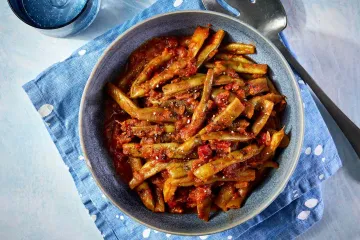
- Pinakbet: This vegetable stew, while often including pork cracklings (chicharon) for flavor, is predominantly made of squash, eggplant, okra, and bitter melon, seasoned with shrimp paste. [7] By reducing or omitting the pork fat, it becomes a fiber-rich main dish.
- Tinola: A light, clear chicken soup often flavored with ginger, green papaya, and malunggay (moringa leaves). [7] This dish is comforting, hydrating, and low in fat, making it an ideal light dinner when heavier meals were consumed earlier in the day. [7]
It is interesting to note the interplay between the celebratory feasts and the daily diet. The complex, richer dishes mentioned in culinary highlights—like Kare-Kare (oxtail stew in peanut sauce) or Pancit (noodles)—tend to be reserved for special occasions or weekend gatherings, while the simple, sour, or braised dishes form the workhorse meals of the week. [1] This division suggests a natural cultural rhythm where richness is celebrated, but practicality dictates daily choices. [2]
# Regional Variety Implied
Though the sources point toward common staples, the mere existence of such a diverse culinary landscape hints at the sheer breadth of what constitutes "daily food" across the 7,000+ islands. What someone eats in the northern provinces might differ significantly from the coastal regions or the Muslim-influenced south, yet the common threads of rice, a savory/sour ulam, and the necessity of a strong flavor profile bind them. [5] For instance, while one region might rely heavily on fish sauce (patis), another may lean into fermented soybean products. This underlying variability means that a true national "daily menu" is less a fixed list and more a flexible template adaptable to local agriculture and tradition. [5]

# Conclusion
The daily food eaten by Filipinos is characterized by its practicality, its reliance on rice as the anchor, and its bold, clean flavor profiles—often sour and salty—that stimulate the appetite in the tropical heat. [5][2] From the quick silog breakfast to a savory dinner of stewed meat and vegetables, the meals are designed to be satisfying, often utilizing methods that allow food to keep well for the next day's lunch. [4][1] The final taste is always tailored by the diner's preference for sawsawan, proving that even in routine, personalization remains key to the Filipino table. [3][6]
Related Questions
#Citations
Manila Food Frenzy: The Best 29 Filipino Dishes You Need To Try!
What foods are eaten daily in The Philippines? - Reddit
Filipino Food 101: Recipes to Get You Started - Serious Eats
What does Filipino home cooked meal typically consist of? - Quora
Filipino cuisine - Wikipedia
Traditional Filipino breakfast meals and daily eating habits - Facebook
7 Healthy Filipino Dishes for Everyday Ulam - Recipedia
What do Filipinos usually eat for breakfast/lunch/dinner? - HiNative
50 Delicious Filipino Recipes You'll Want to Make on Repeat