Health Benefits of Mangetout
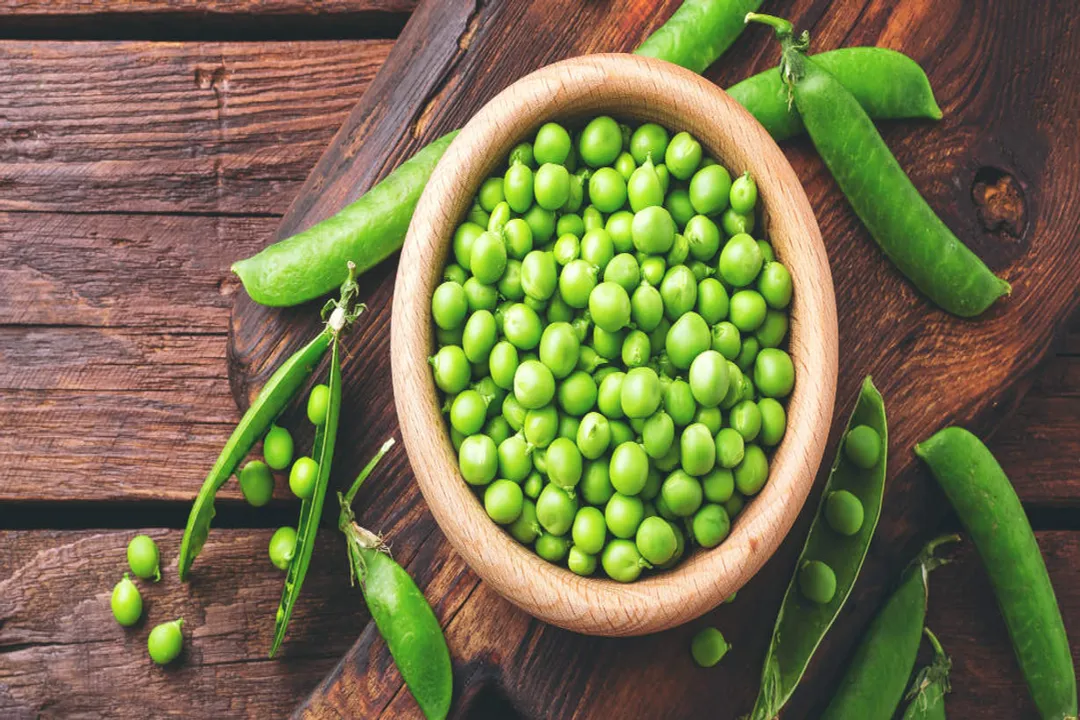
The crisp snap of a fresh mangetout pod is a delightful sensory experience, signaling a vegetable that is far more than just a crunchy addition to an Asian-inspired stir-fry. Pronounced monj-too, this term, which translates from French as "eat it all," aptly describes these edible-podded peas, meaning you consume the entire structure, not just the seeds within. [4][7] The confusion around what exactly mangetout refers to is common; it is often used interchangeably for both snow peas and sugar snap peas, which are indeed closely related members of the legume family, Pisum sativum. [2][3] While snow peas are characteristically flatter and contain smaller, less developed peas, sugar snap peas are a hybrid, boasting a more rounded, sweeter pod. [2][6] However, for the purposes of nutrition, the data suggests that snow peas and sugar snap peas share an virtually identical nutritional profile when compared by weight. [2]
# Calorie Count
One of the immediate appeals of including mangetout in your daily intake is their remarkably low-calorie density. These pods are an excellent choice for those managing their weight or simply looking to increase vegetable volume without adding significant caloric load. [3] A standard raw portion size, perhaps 50 grams, registers around a mere 16 calories. [1] Looking at a larger cup measure, the count hovers near 67 calories, which is quite low considering the array of vitamins and minerals packed inside. [3] Furthermore, they contain no measurable dietary fat, cholesterol, or sodium, making them an exceptionally lean component of any balanced meal plan. [2]
# Immune Defense
When assessing the micronutrient makeup of mangetout, the concentration of Vitamin C stands out as a primary strength. Just a single cup can provide well over the recommended daily requirement, with some figures suggesting up to 128 percent of your needs per serving. [3] In its role as a powerful, water-soluble antioxidant, Vitamin C does vital work supporting the body’s defense mechanisms against infectious agents. [3][4] Beyond immediate infection fighting, this vitamin is essential for the long-term maintenance of body structures. It actively contributes to the creation and preservation of collagen, a necessary protein that underlies the health of our skin, blood vessels, bones, and cartilage. [1][3][4] Adequate intake can also play a part in reducing feelings of tiredness and fatigue, contributing to overall vitality. [1]
# Structural Support
The benefits of these peas extend deeply into the body's framework, largely thanks to their strong Vitamin K content. Mangetout is considered a good source of this fat-soluble vitamin, with some sources indicating one cup can supply half of your recommended daily needs. [2][3] Vitamin K is not simply involved in one process; it's a key regulator in several bodily functions that maintain integrity and protect against degeneration.
For bone health, Vitamin K acts as a modifier for bone matrix proteins and helps improve the body's ability to absorb calcium. [3] This mechanism is directly linked to increasing bone strength and density, and a correlation exists between inadequate intake and conditions like osteoporosis. [2] Think of it as ensuring that the calcium you consume actually gets laid down effectively where it's needed most.
Furthermore, Vitamin K supports the circulatory system, which is a fascinating area of study. It plays a part in blood clotting, as expected, but it also appears critical for heart health by helping to prevent the calcification, or hardening, of blood vessels. [2][3] When vessels remain flexible, the heart does not have to work as hard to pump blood throughout the body, a process that may help in lowering overall blood pressure. [2]
# Cognitive Health
The small, crisp pod contains several nutrients recognized for providing neurological benefits, making mangetout a genuine "brain food" choice. [3] Folate, a B-vitamin often highlighted for its role in pregnancy, is present and serves essential functions for the general population as well. [4] Folate is vital for the formation of new cells and maintaining a healthy nervous system. [4] In the context of pregnancy, adequate folic acid is crucial for proper neural tube formation in a developing fetus, and deficiency is associated with neural tube defects like spina bifida. [3] For adults, however, its role in cell growth and nervous system maintenance remains significant. [4]
Another key player is Potassium. [3] This mineral is crucial for maintaining proper hydration, but its impact on the brain is noteworthy. Studies suggest potassium intake is linked to increased blood flow directed toward the brain, which in turn can enhance cognitive functions such as concentration and neural activity. [3] The need for potassium is often underestimated in modern diets, yet consuming adequate amounts has been associated with significantly lower risks of death from ischemic heart disease. [2][3]
Finally, Vitamin B6 is also present in mangetout. [3] While critical for immune function and blood health, a deficiency in this vitamin has been medically linked to symptoms like depression and nausea, underscoring its broad impact on mood and physical comfort. [1][3]
While the focus on folate is often directed toward prenatal care, consider that for the general adult population, maintaining adequate levels of this B-vitamin is key for the continuous, high-speed cellular maintenance required by the central nervous system. If you are incorporating mangetout regularly, you are providing consistent support for cell growth and nervous system upkeep, which is just as important for daily mental performance as it is for fetal development. [1][4]
# Digestive Fiber
Like many members of the legume family, mangetout provides a good amount of dietary fiber. [2] Fiber is indispensable for digestive health, working primarily by adding necessary bulk to stool as it moves through the gastrointestinal tract, thereby promoting regularity and preventing constipation. [2][6] Consuming enough fiber is also associated with beneficial effects on blood sugar control, as it can slow down sugar absorption in the bloodstream. [2][6] Moreover, due to its slow digestion rate, fiber contributes to feelings of satiety, which can naturally aid in weight management by helping to control appetite between meals. [2]
# Eye Protection
The pea family is notable for containing specific antioxidants that target ocular health. Mangetout provides carotenoids, specifically lutein and zeaxanthin. [2] These compounds are well-known for their filtering capabilities within the eye. They can act as a natural defense mechanism against harmful blue light, which is implicated in the development of cataracts and age-related macular degeneration (AMD). [6] By protecting the delicate structures of the eye, these antioxidants may contribute to maintaining visual acuity and the ability to utilize learned skills well into older age. [1][2]
# Preparation for Peak Benefit
The inherent edibility of the whole pod simplifies preparation, as the French name suggests—you can simply wash and eat them. [7] However, how you prepare them can impact their final nutritional delivery and texture. Mangetout is best enjoyed when it retains its slight sweetness and crispness. [7]
It is important to be mindful of cooking times. Because they cook very quickly, overcooking them can cause them to become limp and leach out valuable nutrients and color. [2][7] While they are often steamed or boiled, one suggestion for maximizing nutrient retention, particularly when avoiding water submersion, is a very short microwave session, covered, with no added water. [7] This rapid application of heat preserves their desirable bite and flavor better than prolonged cooking methods. [7]
When incorporating them raw, they offer a fantastic textural element to salads, or they can be served simply as a crisp snack dipped in yogurt or hummus. [2][4] They pair exceptionally well with flavor profiles found in Asian cuisine, such as ginger, soy, and coriander, making them a natural fit for noodle dishes and curries where they should be added right at the end of cooking. [4][7]
To truly maximize your nutrient intake from mangetout, consider a simple "heat and hold" technique rather than traditional simmering. If you are aiming for a cooked vegetable side, lightly blanching them in boiling water for no more than 60 seconds—just enough to achieve a vibrant green color—and immediately plunging them into ice water (an ice bath) is highly effective. This process, known as shocking, arrests the enzyme activity that causes nutrient leaching and color loss during traditional boiling, locking in the Vitamin C and K content while still providing a cooked, tender-crisp result. [7]
# Nutritional Comparison Context
Understanding where mangetout sits among its cousins helps appreciate its specific value. As noted, snow peas and sugar snap peas are nutritionally alike. [2] This is distinct from the common shelled garden pea. For instance, a 100-gram serving of raw mangetout (snow/snap) contains fewer carbohydrates (under 8 grams) than a cup of boiled green peas (about 25 grams). [2][5] This lower starch content is a key differentiator for those watching carbohydrate intake. [2]
If we compare the macronutrient density of shelled peas versus the edible pods, we see a trade-off. Shelled green peas offer significantly more protein (8.6 grams per cup) and fiber (8.8 grams per cup) than a comparable serving of mangetout. [5] However, mangetout delivers a much higher punch of Vitamin C (100% DV vs. 25% DV in boiled green peas) and Vitamin K (around 31% DV vs. 35% DV in boiled green peas, though the raw mangetout data provided a higher concentration for K per 100g). [2][5]
Here is a summary of the key nutritional contributions based on a 100-gram raw serving of mangetout/snow peas: [1][2]
| Nutrient | Amount (per 100g Raw) | Key Role Supported |
|---|---|---|
| Calories | ~42 kcal | Very Low Energy Density |
| Vitamin C | ~100% of DV | Antioxidant, Collagen Synthesis [2] |
| Vitamin K | ~31% of DV | Blood Clotting, Bone Density [2] |
| Fiber | 2.6 grams | Digestive Regularity, Satiety [2] |
| Protein | 2.8 grams | Plant-Based Contribution [2] |
| Lutein & Zeaxanthin | 320µg | Eye Protection against Blue Light [1] |
For readers tracking mineral intake, while the data highlights Vitamin C and K, pay attention to Manganese, which is listed as high in mangetout. [4] Manganese is essential for maintaining normal bone structure. [4] When combining mangetout with other calcium-rich foods like dairy or fortified plant milks, the Vitamin K content aids absorption, while the manganese supports the underlying matrix of the bone itself, creating a multi-pronged approach to skeletal maintenance. [2][3][4]
Whether you call them mangetout, snow peas, or sugar snap peas, these crisp, mildly sweet legumes offer a nutritional profile geared toward defense and structure. Their low caloric cost combined with high concentrations of Vitamin C and K, alongside essential B-vitamins and fiber, makes them a dynamic and necessary addition to one’s regular vegetable rotation.
Related Questions
#Citations
7 Health Benefits Of Mangetout - DoveMed
[PDF] Mangetout | Nutrition Scotland - Seasonal Factsheets Alexandra
What's the Difference Between Snow and Sugar Snap Peas?
Ingredient of the Week: Mangetout - Blindingly Good Food
Mange-tout Nutrition Facts - CheckYourFood
Green Peas Nutrition, Benefits, Types, Recipes, Side Effects - Dr. Axe
Health Benefits of Peas - WebMD