Health Benefits of Lentil
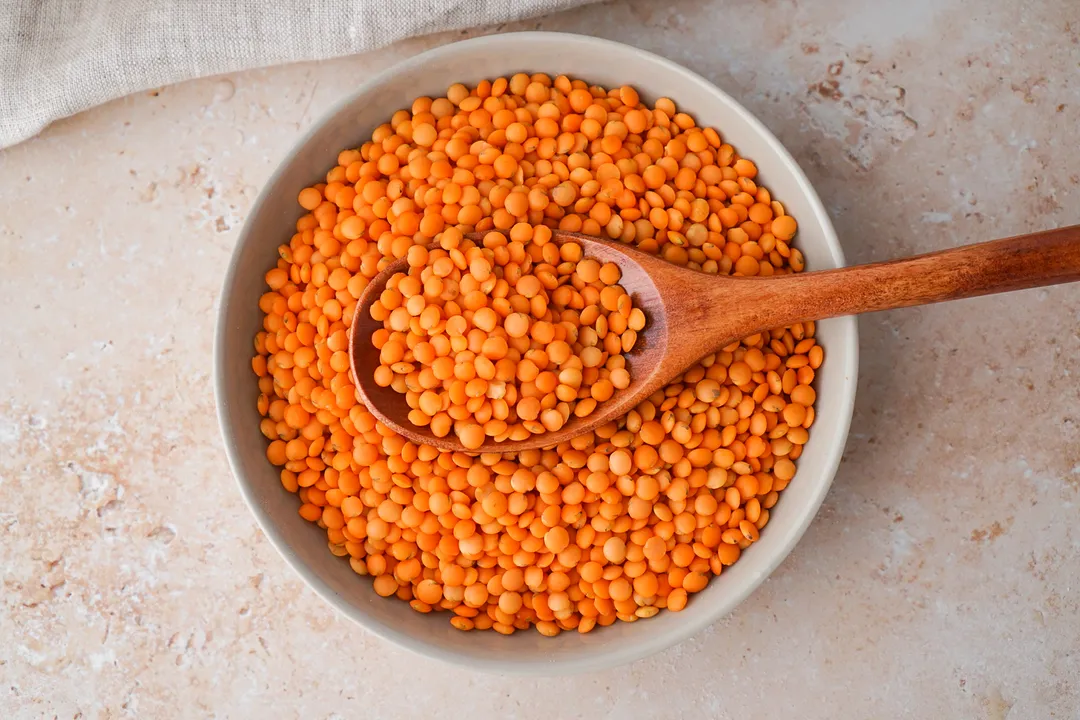
Lentils are one of the planet’s oldest cultivated crops, small powerhouses that pack an extraordinary punch of nutrition into their humble size. These legumes, which come in various colors from earthy brown and green to vibrant red and black, have been a staple in diets across the globe for millennia, and modern nutritional science continues to validate their inclusion in a healthy eating pattern. [4][5] They offer an accessible, affordable, and incredibly versatile source of essential nutrients that can dramatically impact long-term wellness.
# Protein Source
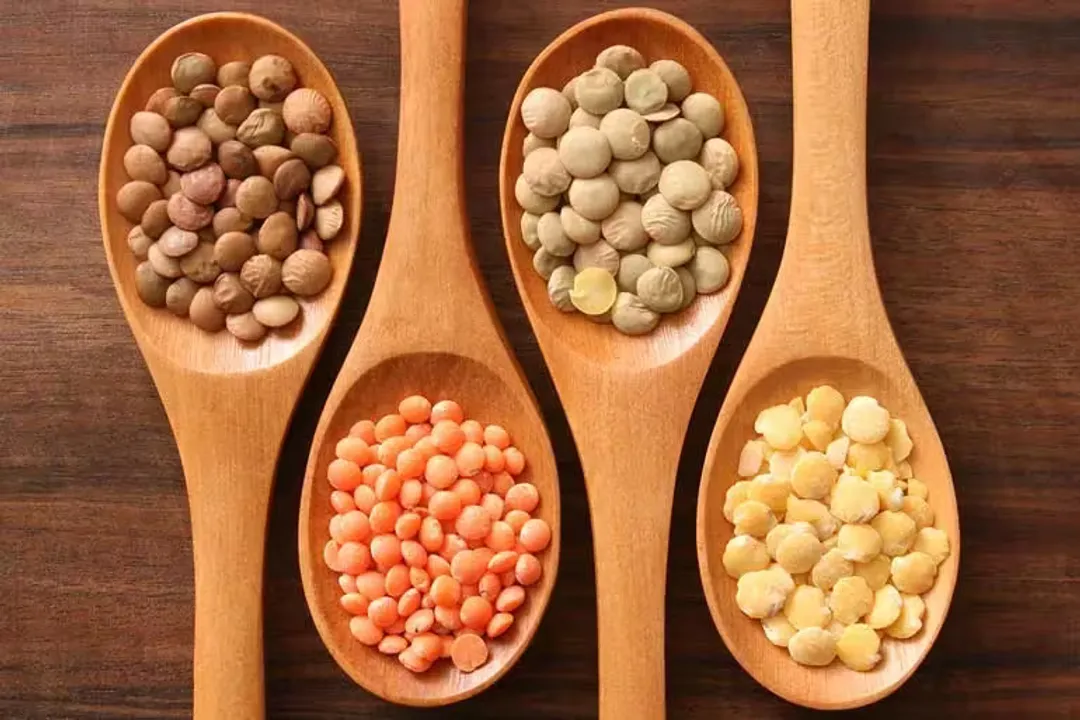
For those looking to increase plant-based protein intake, lentils stand out in the legume family. A single cup of cooked lentils typically delivers around 18 grams of protein. [2] This high protein content is vital for building and repairing tissues, supporting enzyme function, and contributing significantly to feelings of fullness after a meal. [1] This satiety factor is particularly helpful when managing daily calorie intake, as feeling satisfied reduces the likelihood of reaching for less nutritious snacks between meals. [2] Furthermore, for individuals reducing or eliminating meat consumption, lentils provide a substantial foundation for vegetarian or vegan meals, offering essential amino acids, though they are best combined with grains like rice to create a complete protein profile over the course of a day. [5]
# Fiber Richness

Perhaps the most celebrated nutritional aspect of lentils is their remarkable fiber content. A cup of these cooked pulses generally contains about 15.6 grams of fiber, [2] which is a significant portion of the recommended daily intake for most adults. [1] This fiber isn't just one type; it's a beneficial blend of soluble and insoluble fiber. [5] The insoluble fiber acts as roughage, promoting regularity and preventing constipation by adding bulk to stool. [2] The soluble fiber, however, works differently, dissolving in water to form a gel-like substance in the digestive tract. [5]
Considering the typical recommended intake, eating just one cup of lentils can cover nearly half of a person's daily fiber needs. [1] For someone aiming for the general 25 to 30 grams per day, incorporating a half-cup serving of lentils into lunch and another half-cup into dinner almost guarantees hitting that mark without resorting to supplemental fiber sources. This ease of reaching fiber goals through whole foods is one of the most practical advantages of cooking with lentils regularly. [3]

# Heart Health

The composition of lentils makes them excellent allies for cardiovascular well-being. The high concentration of fiber, particularly soluble fiber, plays a direct role in reducing LDL cholesterol (often termed "bad" cholesterol). [5][2] As this soluble fiber binds with cholesterol in the digestive system, it prevents its absorption into the bloodstream, thereby supporting healthier lipid profiles. [1]
Beyond fiber, lentils are packed with critical minerals that support healthy blood pressure regulation. They are a good source of potassium, which helps balance the negative effects of sodium on blood pressure, and magnesium, which aids in relaxing blood vessels. [5][1] One cup of cooked lentils can provide nearly 25% of the recommended daily intake for folate, which is another nutrient linked to lowering the risk of heart disease by reducing levels of homocysteine, an amino acid associated with cardiovascular problems. [5][1] The presence of these synergistic nutrients—fiber, potassium, and magnesium—creates a multi-pronged approach to maintaining a strong heart. [2]
# Blood Sugar Stability
Lentils are a fantastic choice for individuals managing blood sugar or looking to prevent sharp glucose spikes. They possess a remarkably low glycemic index (GI). [5][2] The GI measures how quickly a food raises blood sugar levels after consumption. Foods with a low GI cause a slow, gradual rise in blood sugar, which is ideal for sustained energy and metabolic health. [5]
This low impact is due to two main factors: the high fiber content and the presence of complex carbohydrates. The fiber slows down the digestive process, meaning the carbohydrates in the lentils are released into the bloodstream slowly rather than all at once. [1][2] For someone making a switch from refined grains (like white bread or white rice) to lentils, the feeling of sustained energy and lack of a subsequent "sugar crash" is often immediately noticeable, highlighting the difference between simple and complex carbohydrate fueling. [5]
# Digestive Support
A healthy digestive system relies heavily on adequate fiber intake, and lentils deliver both the bulking insoluble fiber and the prebiotic qualities of soluble fiber. [5] The undigested fiber reaches the large intestine, where it serves as food for beneficial gut bacteria. [2] This process of feeding the microbiome is crucial, as a diverse and thriving community of gut flora is linked to everything from improved immunity to better mental health. [5]
Lentils also contain a specific type of carbohydrate known as resistant starch. [2] This starch resists digestion in the small intestine and ferments in the colon, acting much like soluble fiber to support good gut flora. [2] While some people may experience gas or bloating when first introducing high-fiber foods like lentils, a gradual introduction, alongside ensuring ample water intake, allows the gut microbiome to adapt, leading to improved digestive function over time. [1]
# Essential Micronutrients
While known for macronutrients, lentils are also a significant source of several key micronutrients essential for bodily functions.
# Iron and Energy
Lentils are a respectable source of iron, a mineral critical for producing hemoglobin, the protein in red blood cells that carries oxygen throughout the body. [1][5] Iron deficiency, or anemia, often results in fatigue and weakness. [5] Because most of the iron found in lentils is non-heme iron (the type found in plants), its absorption can be enhanced. [1]
An effective strategy to maximize iron uptake is pairing lentils with a source of Vitamin C in the same meal. For example, a lentil soup seasoned with a squeeze of fresh lemon juice, or served alongside bell peppers or tomatoes, significantly improves the bioavailability of the iron present in the lentils. [1] This simple pairing technique turns a good source of iron into an even better one. [5]
# Folate and Cell Health
Lentils are exceptionally high in folate (vitamin B9). [1][5] Folate is vital for DNA synthesis and repair, making it particularly important for rapidly dividing cells. [5] This is critical during periods of rapid growth, such as pregnancy, where adequate folate intake is necessary to prevent certain birth defects. [1] A single cup provides a large percentage of the daily requirement for most adults. [5]

# Weight Management
For those seeking to manage or maintain a healthy weight, lentils offer several structural advantages in food composition. Their high protein and fiber content naturally promote satiety, helping individuals feel full for longer periods, which can lead to lower overall calorie consumption throughout the day. [2][3] Furthermore, lentils are naturally low in fat and calories relative to their nutrient density. [3]
When you consider a lentil salad or dahl compared to a white pasta dish, the lentil version provides substantially more lasting energy and far fewer opportunities for hunger to set in quickly afterward. [2] To further this benefit, consider building your lentil dish around local, seasonal vegetables rather than relying on heavy oils or creams. For instance, in late summer, pairing green lentils with roasted zucchini, eggplant, and fresh herbs provides a huge volume of low-calorie nutrients that bulk up the meal without adding significant caloric load, making the meal satisfying both physically and visually. [4]
# Versatility and Variety
One of the enduring strengths of lentils is their sheer adaptability in the kitchen, which spans many cultures and flavor profiles. [4] They do not require pre-soaking, unlike many other dried beans, which makes them an excellent choice for quick weeknight meals. [1][3]
The various types of lentils behave differently upon cooking:
| Lentil Type | Cook Time (Approx.) | Texture & Best Uses |
|---|---|---|
| Red/Yellow | 15-20 minutes | Cook down to a soft, mushy consistency; ideal for pureed soups, dals, or thickeners. [5] |
| Brown/Green | 20-30 minutes | Hold their shape better than red lentils but can become soft; good for salads or side dishes. [1] |
| French Puy/Black Beluga | 25-35 minutes | Maintain their structure the best; perfect for cold salads where texture contrast is desired. [4] |
Red lentils cook the fastest and break down easily, making them the quickest path to a comforting, creamy dish like Indian dal or a thick soup base. [5] Brown and green varieties are more resilient; they remain slightly firm, which is excellent for grain bowls or as a substitute for ground meat in dishes like shepherd's pie where you want the lentils to integrate without completely dissolving. [1] Black Beluga lentils, named for their resemblance to caviar, offer a slightly peppery flavor and the firmest texture, making them a favorite for composed salads where individual legume integrity matters. [4]
# Minimizing Anti-Nutrients
Like all legumes and grains, lentils contain compounds known as anti-nutrients, such as phytic acid, which can slightly inhibit the absorption of certain minerals. [3] However, the good news is that preparing lentils correctly largely neutralizes these effects. The simple act of cooking lentils thoroughly significantly reduces the levels of these compounds. [3] Unlike many beans, they do not require an overnight soak, but a brief 30-minute soak, followed by a thorough rinse and cooking until tender, is often enough to ensure maximum digestibility and mineral uptake. [1] This ease of preparation, combined with the nutritional return, makes them a low-effort, high-reward food choice. [3]
Related Questions
#Citations
Health Benefits of Lentils and Types
Lentils: Nutrition, Benefits, and How to Cook Them
8 Health Benefits of Lentils - Arrowhead Mills Blog
How Healthy Are Lentils?
Top 5 health benefits of lentils
Important Lentils Benefits to Supercharge Your Health